
When moving, choosing the right cardboard boxes will make packing faster, safer, and reduce the risk of damage to your belongings. Boxes should be selected based on size, durability, thickness, load capacity, and the type of items to be packed. Using the right boxes for each type of item from clothes and books to fragile goods helps protect your possessions, save space, and reduce shipping costs.
The quality and type of moving boxes we use are often overlooked when packing our belongings, but using the right type of box can protect your assets from damage during transit. The MyStorage team understands this challenge and offers many options from small 5-layer cardboard boxes for documents to specialized wardrobe boxes with hanging rods to keep clothes wrinkle-free.
Your fragile items need suitable packing materials like bubble wrap and PE film to stay safe. Our collection includes durable paper boxes and cardboard boxes that can handle everything from light personal items to bulky household goods. Plastic bins are provided free of charge during your rental period, offering a cost-effective solution for your moving needs.
Let’s explore how to choose the perfect boxes for your upcoming move and make packing easy!
Understand Your Packing Needs
My packing success depends on carefully analyzing what needs to be moved. Let me share three important factors that will make all the difference.
Assess the size and weight of your items
The weight of household items varies greatly and will affect which type of moving box to choose. The contents of a three-bedroom house weigh approximately 9,000 to 12,000 pounds. A one-bedroom apartment typically contains about 2,200-3,200 pounds of items.
Heavy items require smaller, sturdier boxes. For example, books should be placed in small boxes rather than large ones, regardless of quantity. This keeps the boxes light enough to lift safely. Wooden dining tables are much heavier than plastic ones, so I will need to choose my packing containers carefully.

Consider fragility and protection requirements
Fragile items need appropriate packing materials. My china, glassware, artwork, antiques, electronics, and lampshades require special attention.
Here’s what works best with fragile items:
- Small boxes are more suitable for fragile items
- Heavy items should be placed at the bottom of the box
- Glass objects need special dividers
- Packing paper absorbs shocks in empty spaces Small boxes best protect delicate belongings because items stay in place during transit and are less likely to break.
Estimate the number of boxes you need
Floor area helps to accurately calculate the number of boxes. A studio apartment needs boxes that can hold about 1,800 pounds. A two-bedroom home requires boxes that can handle 5,000-6,000 pounds.
People typically need about 60 cardboard boxes to move. The exact number varies based on:
- The floor area of the house
- The number of rooms
- The number of occupants
- Lifestyle (minimalist vs. maximalist)
- Length of stay at the current place A three-bedroom house usually needs 46 medium-sized boxes, 32 large ones, 14 extra-large boxes, and 5 wardrobe boxes. Medium-sized paper boxes and cardboard boxes work best because they are easy to handle and versatile. Proper planning before buying supplies will ensure I have exactly what I need and save money and stress during the move.

Common Types of Moving Boxes and Their Uses
You will need different types of moving boxes to pack your household items. Choosing the right type of box will bring you both safety and efficiency during your move.
Small boxes: Ideal for books and tools
Small boxes are approximately 16 x 12 x 12 inches with a capacity of about 1.5 cubic feet. These sturdy boxes can hold up to 65 pounds, making them perfect for heavy, compact items. Their size helps prevent overloading and keeps your items safe. Here’s what fits best in small boxes:
- Books and vinyl records
- Hand tools and hardware
- Small kitchen appliances
- Canned and jarred foods Small boxes sized 12 x 12 x 12 inches are very suitable for fragile items because they limit movement during transport.
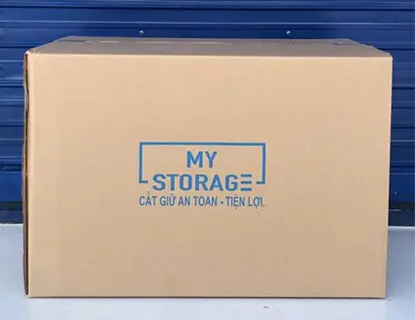
Medium-sized boxes: Best for kitchenware and electronics
Medium-sized boxes, often called “all-purpose boxes,” measure about 18 x 18 x 16 inches with a capacity of 3 cubic feet. These versatile containers strike the perfect balance between size and ease of handling. You can use them for kitchenware, small electronics, toys, lamps, and clothes. They stack well and will not become too heavy to move.

Large boxes: Suitable for bedding and light items
Large boxes are typically 18-24 inches long with a capacity of 4.5-5 cubic feet. Remember that larger boxes should carry lighter items. These boxes are great for bulky but lightweight items like pillows, blankets, bedding, linens, and clothing. Heavy items in large boxes can make lifting dangerous and may cause the box to tear.

Wardrobe boxes: For clothes on hangers
Wardrobe boxes come with built-in metal hanging rods that allow you to keep clothes on hangers. This special design helps keep clothes wrinkle-free and makes unpacking simple. Standard wardrobe boxes measure about 24 x 20 x 46 inches, although you can find shorter and taller options.
Plastic bins: Reusable and durable option
Plastic bins outperform cardboard boxes in terms of durability, moisture resistance, and reusability. These alternatives to paper boxes stack well and better protect valuable or seasonal items. You can easily see what’s inside them, saving time when looking for specific items.
How to Choose the Right Type of Box for Each Item
Choosing the right containers plays a crucial role in the success of your move. The right moving box will protect your items and make the entire process much smoother.
Choose box size appropriate for item weight
A simple rule makes packing easier – use smaller boxes for heavy items and larger ones for lighter items. Moving professionals recommend keeping boxes under 50 pounds for easier handling. Here’s what works best:
- Small boxes (1.5 cubic feet) should be under 50 pounds – they are great for books, tools, and small appliances
- Medium-sized boxes (3 cubic feet) should be under 65 pounds – perfect for kitchenware and toys
- Large boxes (4.5 cubic feet) should be under 70 pounds – ideal for bulky but light items like bedding Theoretically, your boxes might hold more weight, but keeping them under 50 pounds helps prevent injuries and damage during the move.
Use cardboard boxes for general household items
Cardboard boxes work well for most household goods. These boxes do a great job of protecting items of different weights and sizes. Large appliances like refrigerators and washing machines need cardboard boxes made from 5-7 layer corrugated material to provide maximum strength.
Smaller items like rice cookers and kitchen appliances are suitable for 3-5 layer cardboard boxes, which provide adequate protection without adding too much weight.
Choose paper boxes for lightweight or stackable items
Paper boxes shine when it comes to lightweight or easily stackable items. These boxes have thinner walls but remain durable if you don’t overfill them. They are best suited for clothes, linens, and decorative items that don’t require heavy-duty protection.
Use reinforced boxes for fragile or heavy items
Valuable or fragile items need reinforced boxes for better protection. Double-walled boxes come with two layers of fluting and three liners, making them stronger. Triple-walled boxes offer even better protection with three fluting layers and five liners – they are up to 10 times stronger than standard corrugated materials.
Heavy items require specialized heavy-duty shipping boxes with ECT (Edge Crush Test) ratings of 44 or 48. The reinforced edges and corners help protect items from damage during shipping.
Supporting Packing Materials That Make a Difference
Good boxes alone will not protect your belongings. You need the right packing materials to keep everything safe during your move.
Bubble wrap for fragile items
Bubble wrap is a flexible plastic sheet with small air pockets that absorb shock and vibration. These protective bubbles help prevent breakage of fragile items. People call it by different names like “xốp bong bóng,” “màng xốp hơi,” or “bubble wrap,” but they all do the same job.
I wrap each fragile item in bubble wrap before placing it in a cardboard box. Glass artwork needs special care – I apply masking tape in an X shape on the glass to reinforce it, then wrap everything in bubble wrap before boxing. However, bubble wrap takes hundreds of years to decompose, so it’s better to save and reuse it from other packages.
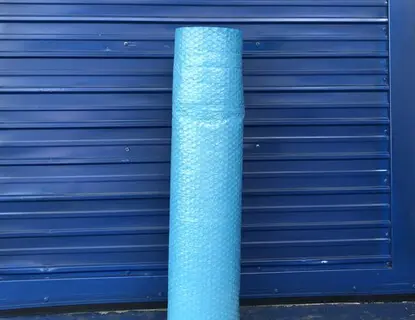
PE stretch film for wrapping oddly shaped items
PE stretch film is a thin, stretchy plastic film that is both elastic and adhesive. Its original use was to secure goods on pallets, but it works very well for home moves. Moving professionals love this stuff because it allows you to bundle oddly shaped objects that don’t fit into regular paper boxes.
This film keeps furniture drawers shut during the move and protects fabric from dirt and moisture. You should buy rolls at least 15 inches wide to wrap larger items, and 5-inch mini rolls work best for smaller stuff.

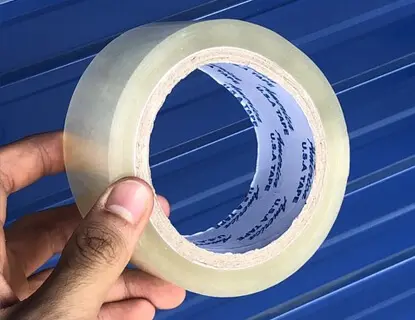
Packing tape for sealing and securing boxes
The quality of your packing tape can determine the security of your moving boxes. Duct tape and masking tape won’t be sufficient – duct tape fails at different temperatures, and masking tape simply isn’t strong enough for heavy boxes.
Polypropylene packing tape made for shipping is your best bet. Regular shipping tape can hold boxes weighing up to 80 pounds. Boxes going into storage unit need stronger tape that can adhere in temperatures from -25 to 160 degrees F.
Labeling tips for easy unpacking
Smart labeling makes unpacking a breeze. Take a thick permanent marker and label the top and sides of each box with:
- Contents inside
- Destination room
- Fragility warnings if needed
- Directional arrows for orientation Color-coding makes everything easier – just choose one color per room using colored tape or markers. Movers can spot where boxes go without reading every label. A digital inventory matching your physical labels adds extra security. A simple spreadsheet with box numbers and contents allows you to check things off during loading and unloading to track everything.
How to Master Storage Packing
1. Smart Preparation Before Packing
Successful storage packing begins long before you seal the first box. Preparation prevents damage, saves time, and keeps your space organized.
- Clean and declutter first: Wipe down and dry all items to prevent mold, mildew, or pest issues. Use the four-box method — Keep, Donate, Sell, Discard — and follow the 12-month rule: if you haven’t used it in a year, reconsider storing it.
- Review storage unit rules: Check your rental agreement for any restrictions on materials, item types, or stacking height. Knowing this upfront helps avoid costly rearrangements later.
MyStorage has a charity box accepting donations of old clothes and belongings.
2. Choosing the Right Packing Materials
Quality supplies make or break effective storage packing. Using the right materials ensures both protection and space efficiency.
Boxes and containers
-
Plastic bins: moisture-resistant, durable, reusable
-
Cardboard boxes: affordable, stackable, good for short-term storage
Protective materials
-
Bubble wrap: best for fragile items like glass and electronics
-
Packing paper: eco-friendly option for wrapping or layering
-
Foam and peanuts: fill empty spaces and cushion odd shapes
Label and inventory everything
Use bold markers or color-coded labels for quick identification. Keep an inventory sheet or app-based list so you know exactly what’s inside each box.
3. Expert Packing Techniques by Item Type
Each category of belongings requires a specific approach for safe, efficient storage packing.
- Furniture: Clean, disassemble, and wrap wooden pieces in breathable covers. Elevate them off the floor to prevent moisture damage.
- Electronics: Use climate-controlled storage and remove all batteries. Pack items in original boxes or anti-static bags for added protection.
- Clothing: Wash thoroughly, store in plastic bins, and add cedar or lavender sachets to repel pests. Avoid tight plastic wraps that trap moisture.
- Fragile items: Wrap individually with bubble wrap, fill hollow spaces with paper, and double-box valuables for shock absorption.
- Documents: Keep important papers in waterproof, fireproof containers. Store originals securely and retain digital or printed copies for easy access.
Choosing the right moving boxes can make or break your move. This article shares practical ways to pick boxes that match your items’ weight, fragility, and quantity needs.
The right box choices will save you time and prevent headaches on moving day. Heavy items like books belong in small boxes, while medium-sized boxes are great for regular household items. Your larger boxes should only hold light stuff like bedding and pillows to avoid strain and injury.
FAQ
What size of carton should I choose for heavy items like books and discs?
Choose a small (S) box ~40×30×30 cm with 5-layer strength to hold heavy items over 15–20 kg.
What’s the difference between 3-ply and 5-ply cartons?
3-ply cartons are lighter and cheaper for light items; 5-ply cartons are stronger and better for heavy or fragile goods.
Is a large carton wasteful for small items?
Yes. Too large a box causes items to shift and need more padding. Better use multiple medium boxes than one oversized one.
Should I buy or rent moving boxes?
Renting saves space and cost for one-time moves, while buying suits frequent movers.
How do I know how much weight a carton can hold?
Check printed weight rating and ply count. More plies = higher strength.
Are there moving boxes specifically for electronics?
Yes. Use thicker cartons with shock-absorbing material for TVs, computers, and fragile gadgets.
Can I use moving boxes for long-term storage?
Yes, but pick 5-layer cartons and add desiccants to prevent moisture and pests.
How should I label moving boxes for easy referencing?
Label clearly by room–contents–open order like “BEDROOM – DISHES – OPEN FIRST.”
Should I wrap items in PE or bubble wrap before boxing?
Yes. Especially for fragile items like mirrors, glasses, and electronics.
Which type of carton is most convenient for household moving?
5-ply medium–large boxes are most versatile for household items, kitchenware, clothing, and books.