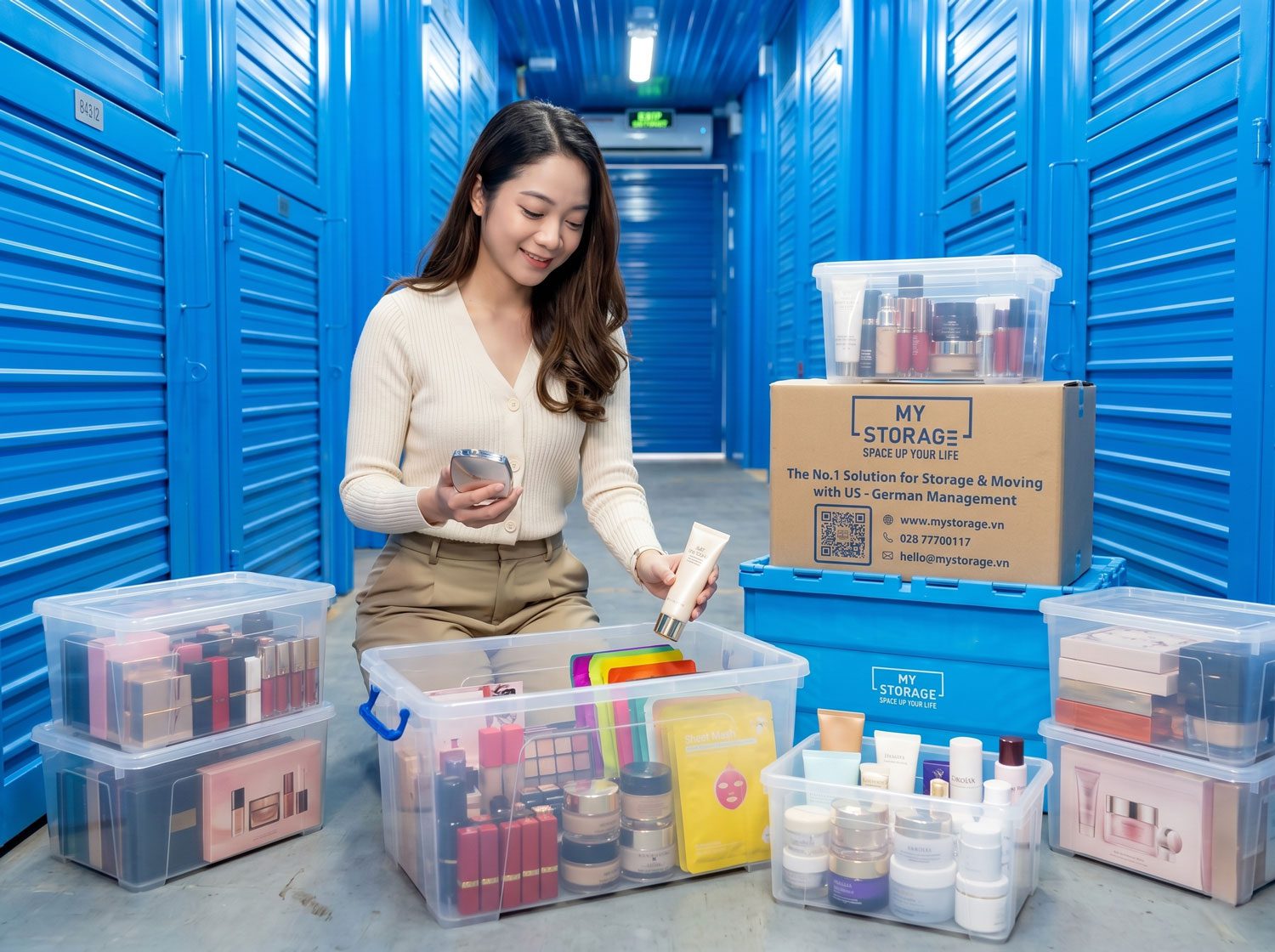
To sell online profitably, you not only need to increase sales but also maintain good control over operating costs. Items such as inventory, premises, packaging, shipping, and order management all directly impact profit. Optimizing these costs helps the shop maintain cash flow, reduce risk, and develop sustainably even in a competitive market.
Costs That Drain Online Shop Profits
Many online shops have good revenue but actual profits are lower than expected because they overlook or underestimate operating costs that accumulate month by month. The eight cost groups below are the most common “loopholes” that need to be controlled.
- Sourcing Costs: The cost of goods sold (COGS) usually accounts for 40–70% of an online shop’s revenue; it is the largest expense and also the area with the most optimization opportunities. Importing in many small batches due to lack of storage space causes the shop to lose bulk discounts, which are typically 5–15%. Lacking clear sales data leads to importing the wrong SKUs or incorrect quantities, creating slow-moving inventory and tied-up capital. Choosing unstable suppliers causes product quality to fluctuate and return rates to rise.
- Inventory: Inventory is the largest hidden cost that many shops fail to recognize. Capital tied up in stock cannot be reinvested, storage costs accumulate every month, and long-term inventory risks becoming expired, obsolete, or damaged.
| Inventory Type | Monthly Hidden Cost | Cumulative Risk |
|---|---|---|
| Slow-moving inventory | Opportunity cost of tied-up capital | Price cuts to free up capital |
| Expired inventory | Loss of total cost of goods | Direct unrecoverable damage |
| Wrong SKU inventory | Storage and handling costs | Must sell via clearance or giveaway |
| Unsold seasonal inventory | Seasonal storage costs | Missed season, must wait until next year |
- Packaging Costs: Packaging is often underestimated because each unit is small, but it accumulates significantly with order volume. Carton boxes, tape, bubble wrap, wrapping paper, and labels can account for 3–8% of revenue for shops with a good packaging experience. Improper packaging increases the rate of damaged goods during transit, leading to additional return/exchange costs and affecting ratings.
- Shipping: Shipping costs fluctuate based on delivery region, weight, and the shipping carrier, usually accounting for 5–15% of revenue. Free shipping is a tool to increase conversion, but if not calculated correctly into the selling price, it will directly eat into profits. Orders that are rejected or fail to deliver multiple times create two-way shipping costs that cannot be recovered.
- Advertising: Advertising costs on e-commerce platforms and social networks are increasing, while conversion rates fluctuate based on season and competition. Many shops increase their ad budget when revenue drops without analyzing the root cause, leading to a continuous increase in advertising costs per order.
| Advertising Metric | Ideal Level | Signs for Re-evaluation |
|---|---|---|
| Ad spend over revenue | Under 15% | Exceeding 20–25% consistently |
| Cost per order | Industry-dependent, under 10% of price | Increasing steadily every month |
| Conversion rate | Over 2–3% | Under 1% with a large budget |
- Returns: Each returned order creates two-way shipping costs, processing time, and the risk of damaged goods that cannot be resold at the original price. A return rate above 5% is usually a sign of product quality issues, inaccurate descriptions, or poor packaging. Controlling the return rate to under 3% often saves more than increasing the same amount of equivalent revenue.
- Storage Premises: Storage space costs are often not clearly calculated into operating costs, especially when shops use home space. The value of occupied living space, increased utility costs, and damage from goods stored in improper conditions are all real costs, even if they do not appear clearly on the financial statement.
- Personnel: Personnel costs are often underestimated when shop owners do everything themselves without calculating their own time. As the shop grows, manual tasks like packaging, inventory counting, and order processing take up more time but do not create growth value. This is often a sign that it is time to invest in systems and processes instead of continuing manual work.
True profit does not come from increasing revenue but from well-controlling each cost in the operational chain. A good storage warehouse simultaneously solves many hidden costs: reducing damaged goods, allowing for bulk imports at better prices, and speeding up packaging to reduce personnel costs.
10 Secrets to Selling Online Profitably
Selling online profitably comes not just from high revenue but from tight control over every operational cost. The 10 secrets below focus on practical points that most online shops overlook, from inventory management to optimizing storage space and standardizing processes, helping actual profits increase without needing to increase revenue.
1. Inventory Control
Inventory is where capital is most tied up and least noticed. Restock based on actual demand rather than intuition by relying on sales data from the last 30–60 days to decide the quantity for each batch. Track slow-moving SKUs monthly and handle them early with slight discounts or gifts instead of holding them until you are forced to sell at clearance for very low prices. A simple rule: inventory held for more than 45 days is a sign to review your product strategy or pricing.
2. Test Products Before Bulk Ordering
Importing large batches before knowing if a product will sell is the leading cause of heavy inventory for shops. Run a trial with the first 50–100 units on a single channel for 2–4 weeks to measure the actual conversion rate before deciding to restock. If the conversion rate reaches the target threshold and customers provide positive feedback, then start scaling the quantity and distribution channels.
👉 Read more: Warehousing for market testing before scaling products
3. Don’t Let Goods Take Over Your Entire Living Space
When a home also serves as a warehouse, both quality of life and work productivity decrease. Separating living and business areas, even with just a partition or clear rules, helps with clearer thinking and easier cleaning. A fixed packaging area with supplies within reach helps process orders 40–60% faster than having to clean up every time you pack goods on the dining table.

4. Optimizing Storage Costs Instead of Renting Large Premises
Many online shops don’t need a dedicated warehouse yet but still require storage space. Renting mini storage with the right size is more cost-effective than renting additional premises or offices just for inventory.
Renting self-storage monthly allows you to pay only for the exact space you need, expanding before sale seasons and downsizing when inventory drops. A 2–5 m² storage unit at MyStorage costing 400,000–1,200,000 VND per month is often much cheaper than renting commercial space for at least 3–5 million VND per month for the same area, excluding utilities and operational costs.
5. Standardizing the Packaging Process
Packaging without a standard process leads to errors, delays, and inconsistent customer experiences. Prepare packaging materials for each product type, keep everything in designated spots, and train anyone assisting with packing on the procedure. A standard process reduces average packing time from 8–10 minutes to 3–4 minutes per order and virtually eliminates shipping errors.
6. Tracking Profit by Individual Product
Total revenue doesn’t reflect which products are actually generating profit. Calculate the actual profit margin for each SKU by subtracting COGS, packaging costs, shipping fees, platform fees, and allocated advertising costs. Many shops discover that 20% of products generate 80% of actual profit, while many best-sellers barely break even or even lose money after all costs are considered.
7. Leveraging Platform Incentive Programs
E-commerce platforms offer many cost-support tools that not all shops fully utilize. Platform-sponsored free shipping directly reduces the shipping costs the shop has to bear. Flash sales and platform vouchers boost traffic without spending extra on advertising budgets. Keeping track of major platform promotion schedules to prepare stock and join early helps maximize benefits without increasing costs.
8. Automating Repetitive Tasks
A shop owner’s time is the most valuable resource and the easiest to waste on repetitive tasks that don’t drive growth. Multi-channel order management software that automatically syncs inventory and prints waybills can save 2–4 hours daily for shops with over 50 orders. The time saved should be spent on developing new products, customer service, and improving content instead of manual processing.
9. Stocking Seasonally and Sales Planning
Unplanned stocking leads to two simultaneous problems: long-term inventory during off-peak months and stockouts during peak months. Scheduling stock arrivals based on platform sale calendars and actual consumption cycles helps increase inventory turnover and reduces capital tied up in unnecessary stock. An inventory turnover of under 30 days is usually a sign of good inventory management for most e-commerce categories.
10. Investing in Customer Experience
A good customer experience generates repeat orders and positive reviews, the two most effective factors for reducing long-term advertising costs. Professional packaging with attractive aesthetics creates a great unboxing impression and increases the rate of organic social sharing.
Fast and on-time delivery maintains high platform ratings, helping products rank better in search results without extra ad spend. Post-purchase care via thank-you messages or discounts for the next purchase is the most effective way to retain customers at the lowest cost.
When Should Online Shops Rent Storage?
Storage becomes necessary when your current space starts affecting operational quality or quality of life. The five signs below help identify the right time to act rather than waiting until you are completely overwhelmed.
| Sign | Specific Manifestation | Impact if Unresolved |
|---|---|---|
| Home is out of storage space | Goods overflow into bedrooms, living rooms, and hallways; family complains about living space | Accumulated psychological stress, decreased quality of life, increased family conflict |
| Frequent bulk stocking | Importing batches of 2–5 million VND or more but lacking space, forced to import in small batches losing discounts | COGS 5–15% higher than bulk imports, extra shipping costs for multiple deliveries |
| Spending too much time finding products | Each order takes over 5 minutes to find the right product, frequent shipping errors occur | Late order rates increase, ratings drop, staff fatigue and prone to errors |
| Seasonal or campaign-based inventory | No space for large stock before 11.11 or Tet despite knowing they will sell | Missed peak revenue, lost opportunities for better pricing from suppliers |
| Preparing for business expansion | Plans to add sales channels, more SKUs, or increase marketing budget but limited by space | Growth blocked by logistics rather than the market |
- Home is Out of Storage Space: This is the most obvious sign and often the point where many shop owners start seriously considering storage. When the second bedroom has become a warehouse, when cartons are stacked up to the bed, and when walkways are blocked by goods, the actual cost of not having a warehouse has long exceeded the cost of renting one—it’s just not clearly visible on the financial statement.
- Frequent Bulk Stocking: When a shop is large enough to import in bulk but lacks the space to receive large shipments, this is the most typical logistics bottleneck. Every time a shipment must be split because of insufficient space, you lose bulk discounts and incur extra shipping costs. Cumulatively over 12 months, the savings from bulk importing are often enough to cover the entire storage cost.
- Spending Too Much Time Finding Products: A threshold of 5 minutes per order is an alarm level. For a shop with 50 orders a day, 5 minutes of searching per order equals 250 minutes or over 4 hours wasted daily just looking for items. A warehouse with a clear zoning system shortens this time to under 1 minute per order, saving over 3 hours of work that could be used for growth.
- Seasonal or Campaign-Based Inventory: Shops with clear seasonal sales cycles or those participating in major platform sales need flexible space. This is exactly why monthly self-storage exists: rent extra space 6–8 weeks before peak season, and downsize once inventory returns to normal levels, without long-term commitments.
- Preparing for Business Expansion: Expanding storage space before expanding revenue is the correct order. Many shops increase their advertising budget and gain more orders but get bottlenecked at the packaging and dispatch stage because the space cannot keep up. Preparing storage before scaling marketing helps growth happen more smoothly instead of creating sudden logistical pressure.
The best time to rent storage is not when you are already overwhelmed, but when you start noticing two of these five signs appearing consistently for at least a month. Acting early allows for better control instead of managing a space crisis in the middle of a peak sales period.

Comparing Storage Solutions for Online Shops
No single storage solution fits every business size. The right choice depends on your daily order volume, number of SKUs, and your capacity for fixed monthly costs.
| Solution | Monthly Cost | Pros | Cons | Best Fit |
|---|---|---|---|---|
| Home Storage | Virtually zero | No additional costs, convenient initially | Occupies living space, difficult to manage as SKUs increase, limited preservation | New shops with under 15 orders/day, few SKUs |
| Self-managed Mini Warehouse | 300,000–2,000,000 VND | Flexible space scaling, good security, proper storage conditions, no long-term commitment | Requires self-operation, no dedicated warehouse staff | Growing shops with 15–100 orders/day |
| Fixed Commercial Space | 3–15 million VND excluding utilities | Workspace for staff, customizable to specific workflows | High costs, 6–12 month long-term commitment, risky if revenue drops | Shops with over 100 orders/day, needing permanent warehouse staff |
| Fulfillment Service | Based on volume, usually 15,000–50,000 VND per order | No warehouse management needed, easy to scale, suitable for multi-channel | High costs for high volumes, less control over packaging quality | Shops with over 200 orders/day, wanting to focus on marketing |
Case Study: From a 60m² Apartment to a Professionally Operated Shop
An online fashion accessories shop in HCMC started in a 60m² – 2BR apartment, operating until it reached 800 orders per month, at which point it hit a severe space bottleneck. The decision to rent a MyStorage mini warehouse transformed their entire operation and unlocked the next phase of growth.
Status Before Renting a Warehouse
The shop had been open for 2 years, selling on Shopee and TikTok Shop, averaging 25–30 orders per day with over 150 SKUs including bags, wallets, belts, and small accessories. All inventory was stored in the second bedroom of the 60m² apartment, with the dining table doubling as a packing station and the hallway filled with cardboard boxes.
| Issue | Real Impact |
|---|---|
| Second bedroom turned into a warehouse | No more office space, orders processed on the floor |
| 8–12 minutes to find items per order | 25 orders/day took 3–5 hours just for picking and retrieving items |
| Unable to stock bulk batches before 11.11 | Lost an 8% discount and ran out of stock by the third day of the sale |
| Leather goods became moldy during rainy season | 3–4 million VND in damages every rainy season |
Applied Solutions
Rented a 5m² storage unit at MyStorage for 900,000 VND per month. Moved all inventory, packaging materials, and cardboard boxes to the warehouse. Only a 5–7 day supply of stock was kept at home. Shelving was arranged by product category, and a folding table was set up as a permanent packing station within the unit.
Results After 4 Months
| Metric | Before | After |
|---|---|---|
| Monthly orders | 750–800 orders | 1,100–1,200 orders |
| Processing time per order | 8–12 minutes | 3–4 minutes |
| Damaged goods due to poor storage | 3–4 million VND per rainy season | Virtually zero |
| Shopee rating | 4.6 due to late shipping | 4.9 thanks to faster order processing |
| Apartment space | Second bedroom was a warehouse | Became a formal office |
| Procurement costs | Multiple small restocks | Reduced by 8% thanks to bulk purchasing |
The true cost of not having a warehouse isn’t zero; it’s the sum of periodic product damage, lost bulk discounts, wasted time searching for items, and occupied living space. When all these factors are accounted for, a mini warehouse isn’t an extra expense but an investment with clear returns from the very first month.
The transition from home-based operations to a mini warehouse not only solves space issues but also compels shop owners to establish clear zoning systems and processes, creating a foundation for future scaling without logistics bottlenecks.

MyStorage – The Solution for Online Shops to Optimize Operating Costs
MyStorage provides flexible self-storage for Shopee, TikTok Shop, and Facebook sellers, as well as small businesses in HCMC. Rent only the space you need, adjust monthly, and enjoy no long-term commitments, helping shops optimize storage costs while keeping goods in ideal conditions.
Sizes Suited for Every Stage
| Space | Best for | Estimated Capacity | Estimated Cost |
|---|---|---|---|
| 1–2 m² | New shops, under 20 orders per day | 3–6 cartons, testing products | 300,000–600,000 VND per month |
| 3–5 m² | Growing shops, 20–60 orders per day | 10–18 cartons, small packing area | 700,000–1,300,000 VND per month |
| 6–10 m² | Multi-channel shops, over 60 orders per day | 20–35 cartons, clear SKU shelving | 1,400,000–2,500,000 VND per month |
| Over 10 m² | Large shops, distributors | Seasonal inventory, packaging, POSM | Contact MyStorage for a quote |
What MyStorage Solves for Online Shops
| Common Issues | How MyStorage Helps |
|---|---|
| Inventory taking over living space | Move all stock out of your home, keeping only weekly sales items on hand |
| Unable to stock large batches | Flexible units allow you to scale up before sales seasons and downsize after |
| Damaged goods due to poor storage | 50–65% RH and 20–26°C environment protects cosmetics, leather, and sensitive items |
| Slow picking, wrong deliveries | Organized shelving and clear labeling reduce picking time to under 1 minute |
| High rental costs | Units starting from 300,000 VND per month, 80–90% cheaper than commercial space |
Operational Standards at MyStorage
| Standard | Details |
|---|---|
| Security | 24/7 HD cameras, individual PIN locks for each unit, on-site security |
| Environment | 50–65% RH humidity, 20–26°C temperature stable year-round |
| Access | 24/7 via personal PIN code, no appointment needed |
| Contract | Monthly basis, flexible scaling, no penalties for changes |
| Support | Free trolleys, parking near the entrance, parcel receiving service |
Suitable for All Types of Goods
MyStorage is ideal for storing most popular e-commerce product categories in Vietnam.
| Storage Type | Why MyStorage Fits |
|---|---|
| Cosmetics and Skincare | Controlled temperature and humidity prevent discoloration and separation |
| Fashion and Handbags | Dry environment prevents mold on fabric and leather; SKU-based shelving |
| Phone Accessories | Organized by model and color, reducing SKU picking errors |
| Small Appliances | Sturdy heavy-duty shelving, wide entrances for trolleys |
| Packaged Food | Dry environment with regular pest control |
| POSM and Packaging | Stored upright to prevent warping, preserved for future campaigns |
MyStorage mini-warehouses are more than just storage space; they are an operational platform that helps online shops separate living and business spaces, maintain goods in optimal conditions, and build professional fulfillment processes right from the growth stage.
FAQ
When should an online shop start renting a mini storage unit?
When stock starts taking over living space, finding products per order takes more than 5 minutes, or importing bulk lots before sales is impossible due to lack of space. These three signals appearing together are the clearest sign that home-based storage has reached its limit and a new solution is needed.
Is renting a mini storage unit more expensive than storing stock at home?
Mini storage costs of 300,000–600,000 VND monthly are lower than the combined hidden losses from damaged goods, lost bulk discounts from small-batch importing, and wasted time searching for products daily. When all these costs are properly accounted for, home storage usually costs more than mini storage from the second month onwards.
Can mini storage units be used for on-site order packing?
Yes, for units 4 m² or larger that can accommodate a folding table and packing materials. Many sellers choose to pack orders directly at the storage unit to save time transporting stock home, particularly effective during sale seasons when 100–300 orders need processing within short timeframes.
What unit size suits a shop processing 30–50 orders daily?
A 3–5 m² unit typically suits shops processing 30–50 orders daily with 100–300 SKUs. Tiered shelving maximises vertical storage capacity. Starting slightly smaller than maximum need and expanding after 1–2 months once actual storage volume becomes clear is a practical approach.
Is MyStorage suitable for storing cosmetics and sensitive goods?
Yes, as MyStorage maintains 20–26°C and 50–65% RH continuously. These conditions prevent serums from discolouring, creams from separating, and leather goods from moulding — problems common when storing at home without continuous air conditioning during Ho Chi Minh City’s hot and rainy seasons.
Can storage space be increased or decreased each month?
Yes. MyStorage offers month-to-month rental with size adjustments permitted at any time without penalty fees. Sellers typically expand by 2–4 m² before 9.9, 11.11, 12.12, and Tết campaigns then downsize once inventory returns to normal levels.
How is self-storage different from fulfillment services?
Self-storage gives sellers full control over inventory, packing process, and output quality at a low fixed cost. Fulfillment is more suitable when orders exceed 200 daily and full outsourcing of warehousing is desired, but variable costs per order are typically higher than self-storage for large order volumes.
Does renting a mini storage unit help import larger lots at better prices?
Yes. With adequate storage space, sellers can import one large lot instead of multiple small batches, typically saving 5–15% on cost of goods and reducing supplier shipping costs. For a shop with 50 million VND monthly revenue, saving 8% on cost of goods equals 4 million VND monthly, more than covering storage costs with profit remaining.
Is stock stored at MyStorage safe?
Yes, protected by multiple security layers: HD cameras operating 24/7 with footage stored for 90 days, individual PIN code locks per unit, and permanent security staff. Only the unit owner can access their space and MyStorage staff cannot open customer units.
What preparation is needed before renting storage at MyStorage?
Estimate total stock volume to select the right unit size, prepare tiered shelving and category labels to establish a zoning system from day one. Contact MyStorage for size consultation and storage can begin on the same day the agreement is signed without complicated procedures.