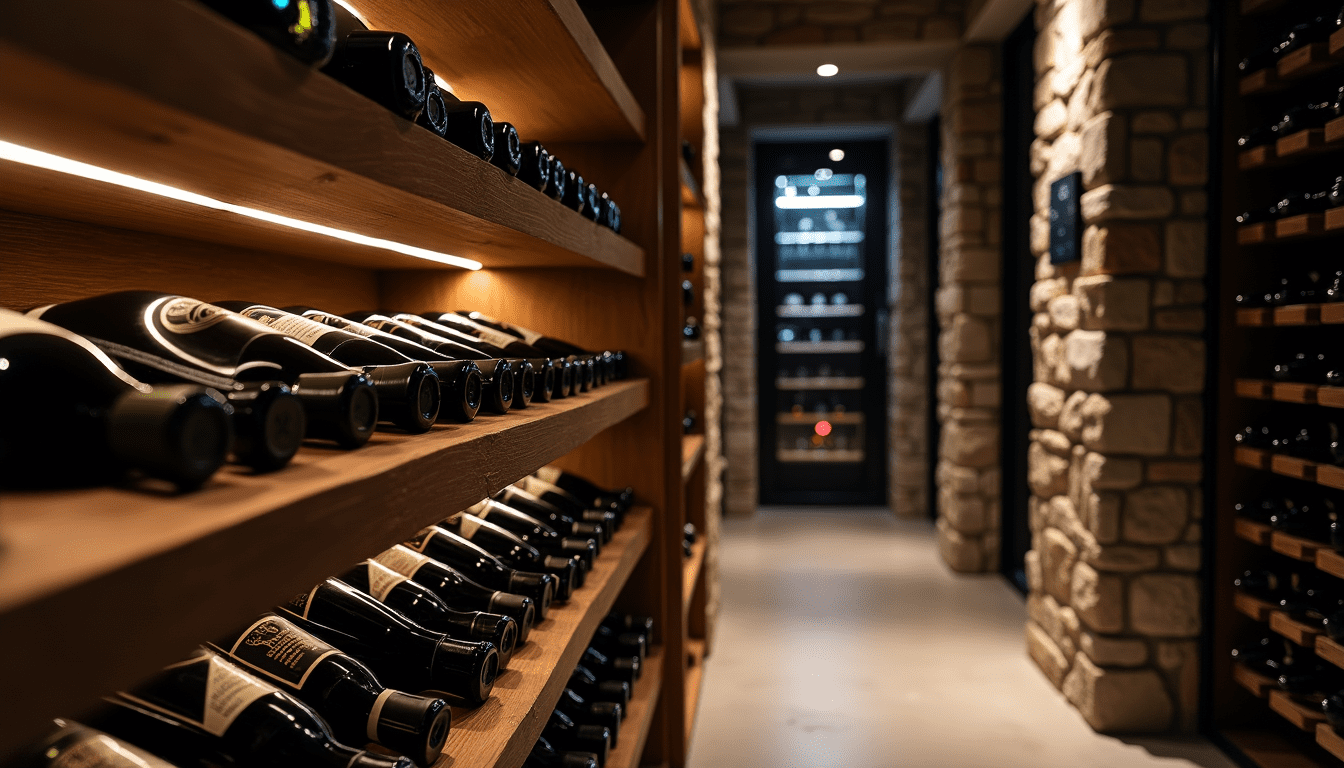
Wine preservation may seem simple, but it’s all about balance. Temperatures above 20°C can ruin flavor, while anything below -4°C damages quality. The sweet spot is 12°C–15°C, with humidity between 60%–80% to prevent corks from drying or mold from forming. Keep bottles in dark spaces, away from UV light, and store them horizontally to keep corks moist and airtight. Here are tips about wine storage.
Planning Your Wine Room
A successful wine room combines smart function and elegant design. The location is key — basements are ideal thanks to their cool, stable climate. If unavailable, interior closets or under-stair spaces work well as long as they’re insulated and away from heat sources or vibrations. Avoid kitchens, laundry areas, and direct sunlight to protect wine from temperature spikes.
For convenience, place your collection near dining spaces for easy access when entertaining.
Design with Function in Mind
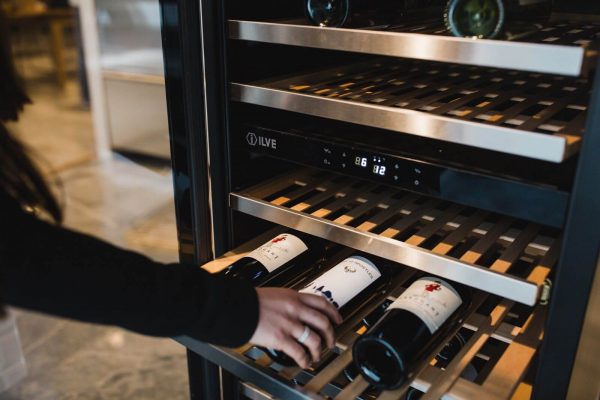
Good insulation, airflow, and humidity control are essential. Use moisture-resistant flooring like tile or ceramic to prevent damage and enhance style. Choose wine racks that fit various bottle sizes and match your décor. Lighting should be soft, UV-free LED, highlighting your collection without harming it.
Personalize your space with a tasting corner or seating area, and let your design reflect your taste — whether modern glass, rustic wood, or classic Tuscan stone. With thoughtful planning, your wine room becomes not just storage, but a statement piece for your home.
Environmental Control: The Secret to Long-Lasting Wine
Proper environmental control is what truly determines your wine’s longevity. Beyond choosing the right storage unit, you need to manage temperature, humidity, and light—the three pillars of effective wine preservation.
1. Temperature: Keep It Cool and Consistent
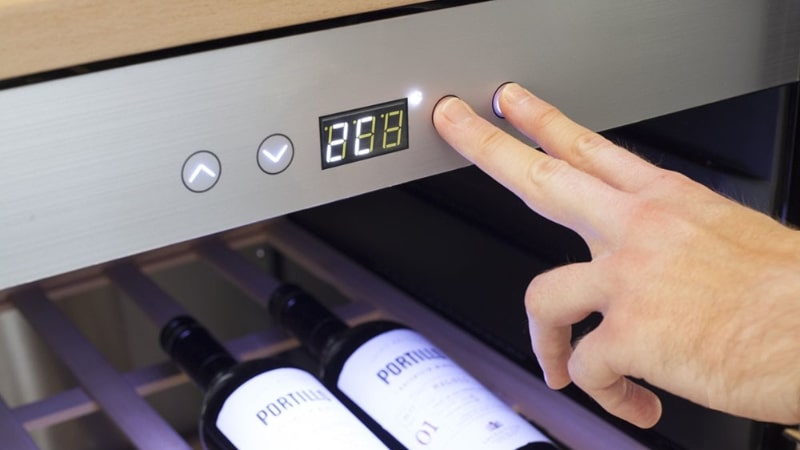
The ideal wine storage range is 12–16°C (55–61°F). Higher than 20°C, and your wine starts aging too fast; below -4°C, quality suffers. More important than the exact number is stability—fluctuations can degrade antioxidants and color.
Tips for steady temperature:
-
Store wine away from exterior walls or heat sources.
-
Add proper insulation.
-
Use a small wine cooler for premium bottles.
-
Track temperature with a digital thermometer.
Even without a wine cellar, consistent indoor temperatures below 26.6°C (80°F) work well for short-term storage.
2. Humidity: Protect the Corks
Ideal humidity levels sit between 60–70%. Too dry (<50%) and corks shrink, letting in air. Too humid (>80%) and labels mold or peel.
To increase humidity:
-
Place gravel trays with water or damp towels nearby.
-
Try humidity cartridges with clay beads.
To reduce humidity:
-
Set out baking soda containers or use a low-speed fan.
-
A mini dehumidifier works for persistent moisture.
These low-cost methods can rival commercial systems for home wine preservation.
3. Lighting: Shield from UV Damage
UV light causes “light strike,” producing unpleasant sulfur odors in wine. Damage appears within 3 hours in clear bottles and 18 hours in green ones.
Lighting protection tips:
-
Keep bottles in darkness whenever possible.
-
Use UV-free LED lights (2700K–3000K).
-
Choose amber bottles, which block 99% of UV rays.
Dark glass and gentle lighting are small details that make a big difference in maintaining your wine’s character and aroma.
By mastering these three factors—temperature, humidity, and light—you can preserve wine quality for years without needing costly equipment. A stable, shaded, and well-balanced environment is the true secret to aging wine gracefully.
Storage Types Explained: Racks, Fridges & Cellars
Finding the perfect home for your wine depends on how you plan to enjoy it. Each storage type—rack, fridge, or cellar—offers different benefits for space, budget, and long-term care.
Wine Fridge vs. Wine Cellar
| Feature | Wine Fridge | Wine Cellar |
|---|---|---|
| Best for | Beginners, casual drinkers, small collections | Serious collectors, large or valuable collections |
| Capacity | Small (6–50 bottles) to medium (up to ~150 bottles) | Medium to very large (100+ bottles; can be thousands) |
| Temperature Control | Good; usually adjustable (single or dual zones) | Excellent; precise custom controls |
| Humidity Control | Limited or none; may cause corks to dry out if used long-term | Maintains optimal humidity (50–70%) to protect corks and wine |
| UV Protection | Some have UV-resistant glass doors | Usually dark or UV-protected; often no glass doors |
| Vibration | Compressors can create mild vibrations | Built to minimize all vibrations |
| Installation | Freestanding or built-in; plug-and-play | Custom built; requires construction and professional installation |
| Portability | Portable; can be moved or relocated easily | Permanent; fixed location |
| Cost | $100–$2,000+ depending on size and features | $5,000–$100,000+ depending on size, custom features, and finishes |
| Energy Use | Energy efficient, but runs constantly | Can use significant energy (especially for larger cellars) |
| Aging Potential | Suitable for short- to medium-term storage (months to a few years) | Ideal for long-term aging (decades) |
| Customization | Limited to shelving and size options | Fully customizable (racking, lighting, climate, aesthetics) |
| Space Requirement | Minimal; fits in kitchens, bars, or apartments | Requires dedicated room or basement space |
| Noise Level | Can produce noticeable compressor noise | Typically quieter with proper insulation |
| Maintenance | Simple; periodic cleaning and filter changes | Requires ongoing monitoring and maintenance of climate systems |
| Resale/Home Value | Little to no impact | Can increase home value and appeal to buyers |
Choosing the Right Wine Rack
Selecting the right rack depends on your space and style.
Tips for choosing:
-
Measure your space: Wall-mounted racks save floor area; stackable cubes grow with your collection.
-
Plan capacity: Choose a rack slightly larger than current needs.
-
Select materials:
-
Wood – classic and elegant
-
Metal – modern and durable
-
Plastic – affordable but less lasting
-
-
Bottle position: Keep bottles horizontal to maintain cork moisture.
A good wine rack looks stylish while ensuring correct bottle preservation.
Expert Tips You Rarely Hear About
Wine industry insiders know preservation secrets that go beyond simple storage principles. These subtle yet significant details distinguish between adequate storage and perfect aging conditions.
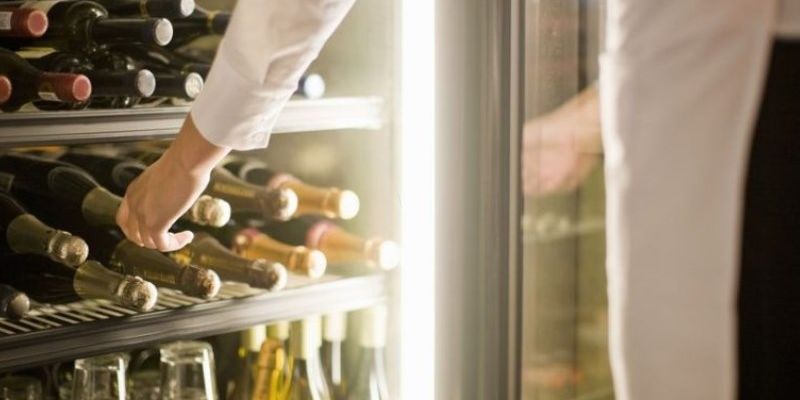
Proper storage ensures your wine ages gracefully and tastes its best when opened. These expert-backed tips help you maintain every bottle’s flavor, aroma, and value.
1. Control the Temperature
Temperature stability is the foundation of wine preservation.
-
Keep wine around 55°F (13°C) — slightly cooler for whites (45–55°F) and warmer for reds (55–60°F).
-
Avoid extreme or fluctuating temperatures, which can damage corks and cause leaks or oxidation.
-
Consistency matters more than precision — a stable, cool space always wins over frequent changes.
2. Store Bottles Horizontally
Horizontal placement keeps corks moist and airtight.
-
Prevents corks from drying and shrinking.
-
Distributes sediment evenly for smoother pouring.
-
Saves space in your rack, fridge, or cellar.
3. Shield from Light
Light, especially UV rays, breaks down wine compounds and accelerates aging.
-
Store bottles in dark, stable environments like cellars or wine fridges.
-
Avoid direct sunlight or fluorescent lighting near your collection.
4. Maintain Proper Humidity
Humidity keeps corks supple and mold at bay.
-
Ideal range: 60–70%.
-
Too dry → corks shrink and allow air in.
-
Too humid → mold growth on labels and corks.
Use a small humidifier or water container to balance moisture levels.
5. Keep Clean Airflow
Corks breathe — and so does your wine.
-
Avoid storing bottles near strong odors or cleaning agents.
-
Use mild or unscented cleaners in your storage area.
-
Fresh air circulation helps preserve aroma integrity.
6. Minimize Vibration
Even micro-vibrations can affect wine chemistry and texture.
-
Avoid spots near laundry machines, subways, or heavy traffic.
-
Once stored, minimize handling; move bottles gently if needed.
-
For urban homes, consider vibration-dampening shelves or mats.
Maintaining Your Collection: Cleaning, Rotating, and Monitoring
Proper home wine preservation needs regular maintenance as its foundation. Your collection should be treated like “living entities that evolve over time” to give each bottle the best chance of reaching its peak drinking window. The periodic upkeep will preserve quality and let you reorganize your collection based on when wines are ready to drink.
-
Do not rotate bottles — let sediment settle naturally.
-
Check for cork leakage or mold regularly.
-
Clean racks annually with mild vinegar solution.
-
Use inventory tools or apps to track vintage, producer, and location.
-
Monitor humidity and temperature with smart sensors.

MyStorage’s Cool Storage Rental Services For Storing Wine
At MyStorage, we provide cool storage rental services to meet your wine storage needs, both personal and business:
- Equipped with German standard temperature and humidity control systems
- 24/7 security cameras
- Regular cleaning and pest, insect control
- Professional staff with many years of experience in warehousing, preserving goods, and offering the best storage packages for customers
- Full range of additional services such as transportation, goods handling, inventory management, order processing, etc.
- Save on space rental and warehouse logistics costs, while optimizing efficiency and avoiding errors in processing and delivery
- MyStorage’s self-storage warehouse maintains a stable temperature of around 25°C. Moreover, MyStorage website updates the real-time cool storage temperature, allowing you to monitor the temperature anytime, anywhere.
With careful planning and proper storage, opening a special bottle of aged wine can mark a memorable milestone. It’s a moment everyone is sure to cherish and remember.