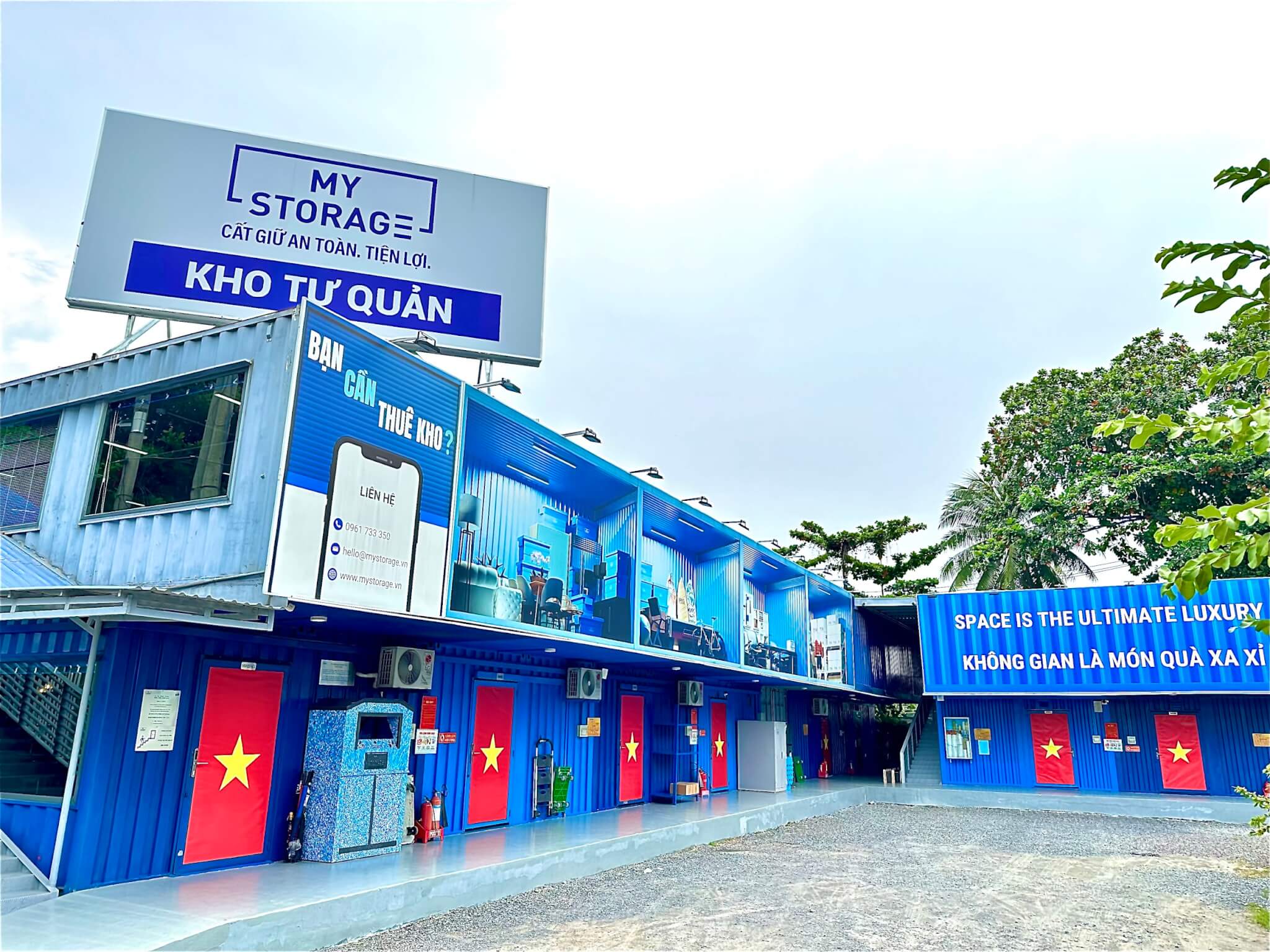
Nearly 10% of Americans use self-managed storage facilities, making self storage a thriving industry with one facility serving every 7,000 citizens. Personal storage needs keep growing in Vietnam as we move into 2025, particularly in bustling Ho Chi Minh City.
Self storage rental prices in Ho Chi Minh City range from a few million to hundreds of millions VND per month. Location, size, and amenities play a key role in determining costs. District 7’s premium locations command up to 400 million VND monthly, while budget-friendly options in Hoc Mon district start at 13 million VND. Mini self storage units between 8m² and 1000m² serve as perfect solutions for small businesses and people with modest storage requirements.
Common Storage Problems and How Self-Storage Units Solve Them
In today’s world of compact homes and busy offices, storage space is becoming harder to manage. Many people now need extra room more than ever. Let’s explore the most common storage challenges and how self-storage units provide practical solutions.
- Lack of space at home or office: Clutter builds up quickly in small living or working spaces. Self-storage units free up room by holding items you don’t use daily, keeping your home organized and your belongings safe.
- Seasonal or event-based storage needs: Holiday décor, sports gear, or seasonal furniture take up space when not in use. Self-storage keeps them safe until needed. Event planners also use these units for temporary equipment and decoration storage.
- Business growth and inventory overflow: As businesses expand, so does the need for storage. Self-storage units offer flexible, cost-effective solutions for excess stock, documents, or equipment—without the high cost of renting larger offices or warehouses.
Self-storage provides flexible solutions for expanding businesses:
-
Inventory management – Store products without filling up your workspace.
-
Document archiving – Keep important files locker storage while saving office space.
-
Equipment storage – Protect seasonal or rarely used equipment storage until needed.
-
Cost efficiency – Renting a self-storage unit is much cheaper than leasing additional office or warehouse space.
Self-storage is the perfect middle ground between storing inventory at home and renting a full warehouse. It grows with your business without the heavy expenses of commercial property.
Why more people are turning to self storage in 2025
Self storage units have become a necessity rather than a luxury as we head into 2025. The surge in their popularity comes from several connected factors that show how our lifestyles and work habits are changing.
Urban living and space constraints
In Vietnam’s big cities, population growth and high real estate prices make living spaces smaller than ever. With possessions piling up, many residents turn to self storage to free up space without upgrading to larger, costly apartments. Storing rarely used items helps create organized, comfortable homes.

Rise of remote work and home businesses
Remote and hybrid work have made home offices essential. To maintain a distraction-free workspace, many people move extra items into storage. For e-commerce sellers, self storage offers flexible, affordable inventory solutions without overtaking living space. With 70% of job seekers preferring remote options, demand will only increase.
A good home workspace usually needs:
- A dedicated area, ideally with a door for quiet
- No distractions or unnecessary items
- Clear boundaries between work and home life
Increased mobility and lifestyle changes
Frequent relocation, downsizing, extended travel, or renovations all drive the need for temporary storage. Students also benefit during semester breaks. Modern providers like My Storage even offer packing, transport, and climate-controlled facilities—meeting the needs of both locals and expats.
Common reasons people need self-storage include:
- Relocation or temporary moves
- Downsizing homes
- Extended travel periods
- Storing seasonal items (like holiday decorations or winter clothes)
How to choose the right self storage unit for your needs
The right self storage unit needs more than just an empty space. Looking for self storage that fits my needs taught me three things that really matter: knowing how much space you need, picking a good location, and checking what each facility offers.
Assessing your storage volume
The first thing to do before renting self-storage is to figure out the space you’ll need. Getting this right saves money and helps avoid problems:
- Take inventory of everything you plan to store
- Measure larger items (furniture, appliances, boxes)
- Consider whether you need room to access items regularly
- Plan for future storage needs
New renters often underestimate how much space they need. This happens because they forget about items with odd shapes or don’t think about needing paths between stored objects. Getting too much space means you’ll pay extra money each month for nothing.
Choosing the right location
Location affects both convenience and cost of a self-storage facility. Industry experts say accessibility should be your main goal as you review potential sites.
Traffic and transportation options are vital in picking the right place. The best spots have smooth traffic flow and several ways to get there. Some people rent nearby to test the traffic before they commit. Good public services like hospitals and police stations should be within 10 kilometers or a 15-minute drive from your self storage facility.
Proximity to your home or workplace makes life easier. A facility near your daily routes cuts down on extra trips if you need your stuff often. But facilities away from city centers usually cost less, so you’ll need to balance convenience and price.
Security considerations change by neighborhood. Your location choice can affect crime risk and insurance costs. Looking up crime stats helps you make smart choices about where to keep valuable items.
Comparing facilities and services
Each facility offers different things. Here’s what to look for in a self-storage rental contract:
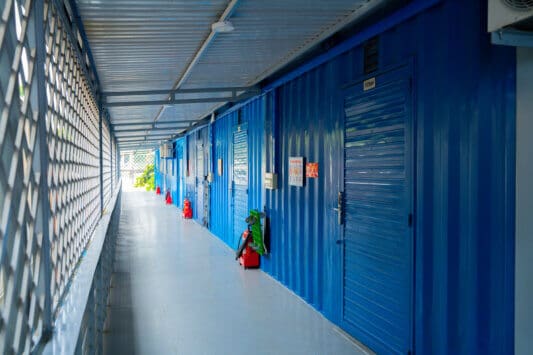
- Security features – The best facilities have 24/7 CCTV cameras, personal access controls, and professional monitoring systems. These features keep your belongings safe and give you peace of mind.
- Climate control and maintenance – Climate-controlled units are a must for electronics, artwork, or fabric as they manage temperature and humidity. Ask about cleaning standards and pest control too.
- Access hours and policies – Make sure the facility’s hours work with your schedule. Some premium spots let you in 24/7, while others have set hours that might make it hard to get your stuff at odd times.
- Contract flexibility – Read the fine print about rental length, price changes, and how to end your contract. Month-to-month options give you more flexibility than long contracts.
- Customer reviews – Other people’s experiences tell you a lot about how well the place is run, how clean it is, and if it’s reliable – things you might miss during a quick tour.
Note that the cheapest option isn’t always the best deal. Security, convenience, and quality are big factors in your self storage experience. A full review of these points helps you find the self storage that works best for you.
Comparing Self-Managed Storage vs. Storage Rental
Choosing between self-managed storage and storage rental depends on your needs and resources.
-
Self-managed storage gives you full control, like having a private warehouse. It works best for businesses with frequent inventory changes but requires high upfront costs for facilities, staff, and maintenance.
-
Storage rental is more flexible. Facilities offer security, management services, and sometimes inventory tracking. Costs are variable—you pay only for the space you use, making it budget-friendly.
Understanding pricing and hidden costs
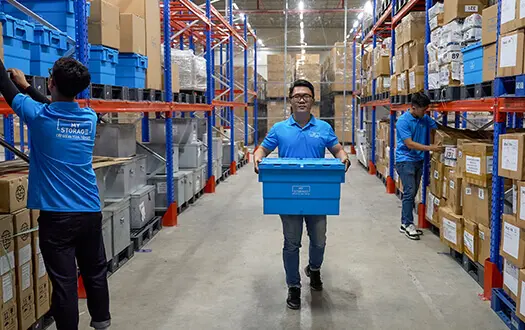
Managing your budget for renting self-storage requires a detailed understanding of all costs. The advertised monthly fee is just the start. Several factors affect both the base price and other expenses you might face.
Cost Breakdown and Budgeting Tips
Self-storage costs in Ho Chi Minh City change based on location and unit size. Central districts cost significantly more than outer areas. You’ll pay anywhere from a few million to several hundred million VND monthly. District 7’s self-storage units command premium prices between 7-400 million VND per month due to their location near Cat Lai Port and Tan Thuan Export Processing Zone.
Mini self-storage units follow a per-square-meter pricing model:
- Central & Near-Central Districts (D1, 3, 4, 7, Binh Thanh, Phu Nhuan): 150,000-300,000+ VND/m²/month
- Suburban & Outskirts (Binh Tan, Binh Chanh, Hoc Mon): 70,000-180,000 VND/m²/month
-
Also, choose the right unit size. Smaller units start around 1.7M VND/month, while larger ones can reach 7.1M VND. Climate control adds about 250K VND/month, so only get it if necessary.
Location advantages drive these price differences. For example, see District 7’s self storage facilities with their strong transportation infrastructure. Hoc Mon offers lower rates because it sits far from the city center.
What’s included in the rental fee
The rental fee for self-storage covers the physical space, but different providers offer different perks. Store Mate focuses on cost efficiency to help customers save money through competitive pricing. Their strategic locations help cut down transportation costs – a key factor in your total storage expenses.
Self storage facilities give you size options. Store Mate has 186 different-sized units. This lets you pick exactly the space you need without paying extra. This flexibility adds vital value that basic monthly rate comparisons might miss.
Extra charges to watch out
You’ll need to pay a security deposit upfront. Most self-storage providers return this deposit under specific conditions in your self-storage rental contract.
There’s another reason to budget carefully. Extra charges often show up as:
- Management fees for facility upkeep and common areas
- Electricity/water usage in your unit (if applicable)
- Overtime access fees if you need items outside regular hours
- Lease termination penalties usually equal to 1-2 months’ rent
So, ask what the rental price includes and what other costs might pop up. Read the sample self storage rental contract carefully before signing. Check renewal policies, price increase schedules, and how to get your deposit back.
To wrap up, the fundamental difference between traditional warehouse rentals and self storage also shows in their fee structures. You need a full picture of all costs to budget properly.

Security, access, and maintenance features to expect
Security and maintenance systems play a crucial role in selecting self-storage. These systems protect your belongings and make access convenient.
- 24/7 CCTV and Access Control: Top facilities use round-the-clock camera surveillance covering all areas. Traditional keys are being replaced by electronic fobs that log entries. The latest upgrade is smartphone-based access, letting you open your unit anytime while giving managers instant control over permissions.
- Fire Safety and Climate Control: Reliable storage centers follow strict fire safety rules, with alarms and extinguishers tested monthly. Climate-controlled units prevent mold, mildew, and heat damage—crucial for electronics, wooden furniture, fabrics, and documents.
- Cleanliness and Pest Control Standards: Well-kept facilities have clean floors, bright lighting, and tidy grounds. Professional pest control teams inspect monthly, using safe methods to protect both your belongings and the facility environment.
What to know about contracts and legal terms
Signing a contract for renting self storage is more than just paperwork—it creates a legally binding relationship between you and the storage provider. A good look at the fine print will protect your stored belongings and save you from future problems.
Importance of a sample self storage rental contract
The rental agreement forms the basic framework of your relationship with the self-storage facility. This document spells out terms and conditions about your specific unit for a set period. The legally binding contract defines both parties’ rights and responsibilities throughout the rental period and holds up in court.
Your agreement works as your main guideline and protection. It sets expectations, covers policies, payment schedules, and what happens with unpaid rent. Yes, it is a well-drafted contract that protects both the facility owner’s and tenant’s interests.
Key terms to review before signing
Take a close look at these critical elements in your self-storage rental contract:
- Payment schedule and rental period: You’ll find these details at the top
- Security deposit: Required amount, return conditions, possible deductions
- Access hours and policies: Rules about when and how to enter your unit
- Maintenance responsibilities: Who takes care of repairs and cleaning
- Dispute resolution mechanisms: Steps to resolve any disagreements
- Termination conditions: Proper notice requirements (usually 30 days)
- Late fees: Grace periods and penalties for late payments
How to handle disputes or early termination
The facility manager should be your first stop to address disagreements. Most contracts ask parties to resolve disputes through good-faith negotiation first. Notwithstanding that, if problems persist, your contract will outline next steps—mediation, arbitration, or going to court.
The buy-out clause in your contract explains how to end your lease early. You’ll need to give advance notice (usually 30-60 days) and might pay a termination fee. Breaking your lease without following the right steps could cost you your deposit, force continued payments, or lead to legal trouble.
Vietnamese renters can often work out better termination terms. They’ll need proper documentation of valid reasons like job transfers or health issues.
Overall
The world of self storage in Vietnam’s urban areas is expanding rapidly as we look ahead to 2025. Self storage has grown from a luxury service into a vital solution. City dwellers, remote workers, and small business owners now depend on it more than ever.
You need to figure out your space requirements before picking a self storage facility. Location versus cost is another key factor to weigh. Central district facilities might be pricier, but they’re easier to access. Security should be your top priority – look for 24/7 CCTV monitoring and resilient access control systems to keep your valuables safe.
Self storage rental prices swing widely across Ho Chi Minh City. You’ll find budget-friendly options in outer districts and high-end facilities in central areas. Take time to review your contract terms carefully. Focus on payment schedules, security deposit terms, and what happens if you need to end the contract early.
The ideal self storage unit should give you the right mix of access, security, and value that fits your storage needs. Finding this sweet spot takes some homework, but it’s worth the effort. Having a secure, dedicated space for your things brings peace of mind in our cramped urban setting.