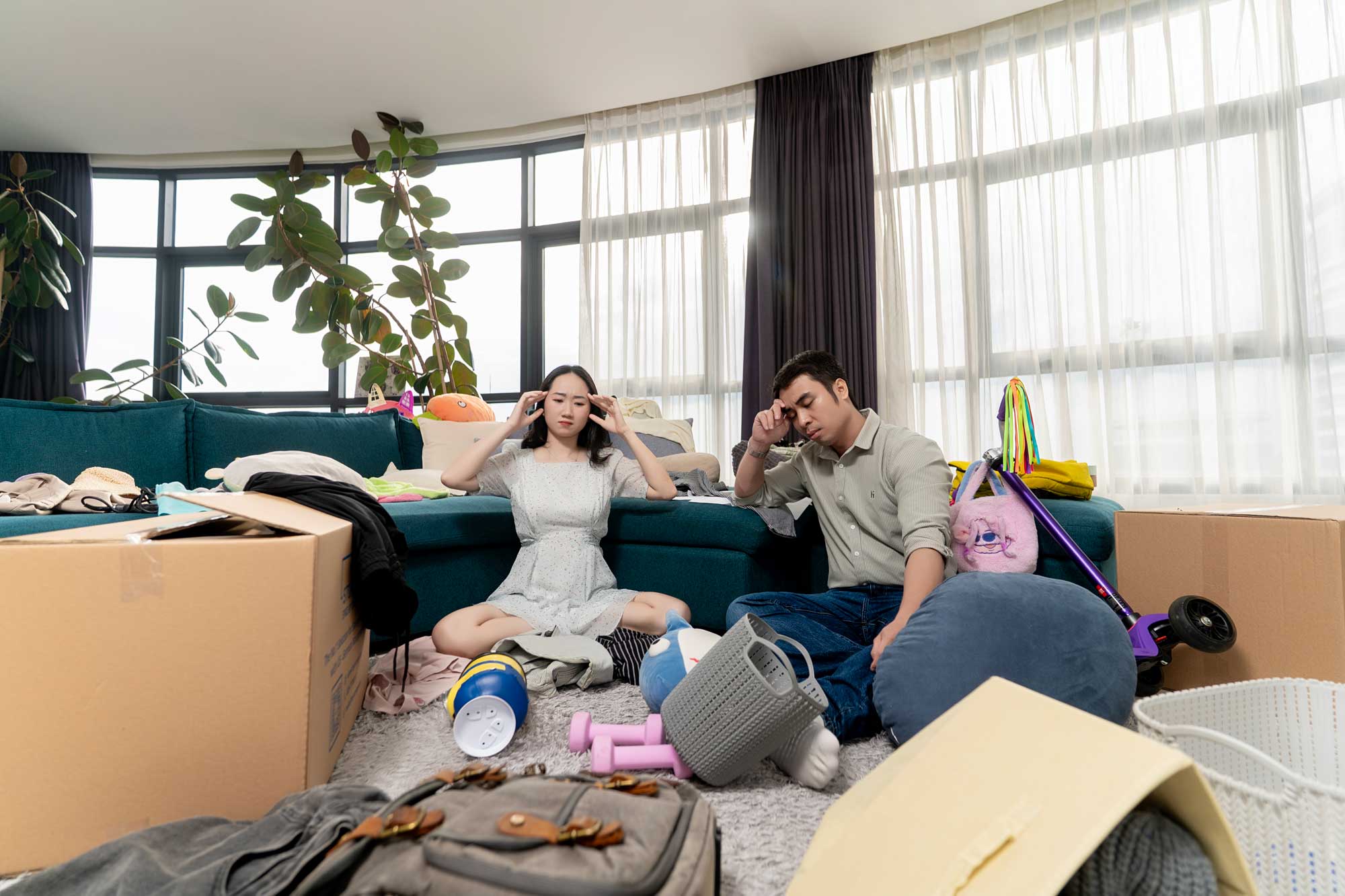
In modern life, brimming with information and material possessions, many individuals are grappling with professional and mental overload. Prolonged busyness coupled with owning too many unnecessary items leads to stress and reduced life efficiency. To rediscover balance, Minimalism emerges as an essential life philosophy. This philosophy empowers us to actively cut down on distracting elements, focus resources on core values, and thereby free up both living space and mind. The ultimate goal of a minimalist lifestyle is to create a more meaningful, lighter, and less constrained life.
What is Minimalism?
Minimalism, or the Minimalist Lifestyle, is a life philosophy applied to all aspects of life, from material possessions and work to relationships. The core of minimalism isn’t about living ascetically or owning very few items, but rather about identifying and retaining only what genuinely brings you value, joy, or purpose, while eliminating things that waste your time, money, and energy.
This philosophy encourages proactive choice and prioritization, helping you regain control over your space, finances, and time. Adopting minimalism helps reduce material clutter, thereby fostering clarity and peace of mind.
Minimalism in Various Aspects
1. Possessions (Material)
Decluttering possessions is the act of actively curating the items you own.
- Meaning: Every item you keep must bring value (function) or joy (emotion). Items that don’t serve a clear purpose are eliminated.
- Application: Applies to clothes (Capsule Wardrobe), books, decorations, and electronic devices. This helps reduce clutter, saving time spent on cleaning and searching.
2. Time (Schedule)
Time minimalism is about protecting your time from unnecessary commitments and activities.
- Meaning: Learning to say “No” to invitations, tasks, or social activities that don’t align with your goals and values.
- Application: Creating a clear Priority list (following the Pareto 80/20 principle), reducing wasted time on social media, and eliminating unproductive meetings. The goal is to focus time on activities that generate the highest value (core work, family, health).
3. Finance (Money)
Financial minimalism involves conscious money management, prioritizing sustainable values over impulsive spending.
- Meaning: It means limiting unnecessary purchases (reducing consumer debt) to save money for more significant goals like experiences, future savings, or investments.
- Application: Practice intentional shopping (buying less but higher quality) and cut down on unused recurring service subscriptions.
4. Relationships & Mindset
Mental minimalism is about reducing information and emotional overload.
- Meaning: It involves filtering out toxic or negative relationships and limiting exposure to stressful information sources (news, social media).
- Application: Dedicate time to quiet activities (meditation, reading), focusing on quality relationships over quantity. This frees up mental space, reduces anxiety, and improves psychological well-being.
Why Minimalism Suits Busy People
In the modern pace of life, we face a common reality: work overload, lack of time, and increasingly cluttered living spaces. The pressure to work continuously, combined with owning too many unnecessary items, traps us in a vicious cycle of fatigue and anxiety. According to productivity studies, cluttered environments often reduce concentration and cause additional mental stress.
Minimalism is an effective solution to free you from this burden. It’s not just about decluttering your home; it’s a method of eliminating things that don’t bring real value to your life, from physical objects to social commitments.
The core benefit of minimalism is rapid simplification: Less stuff – Less worry – Less energy drain. By focusing on what truly matters, busy individuals can save time searching for items, reduce unnecessary purchasing decisions, thereby significantly improving their quality of life and regaining control over their packed schedules.
Core Benefits of a Minimalist Lifestyle for Busy People
| Benefit | Detailed Description | Direct Impact |
|---|---|---|
| 1. Reduces Stress and Mental Pressure | Your living environment reflects your state of mind. When your home is tidy (fewer items, everything has a clear place), your brain receives signals of order and organization. | Tidy home → Clearer mind. Reduces the constant feeling of overwhelm and anxiety caused by cluttered environments. |
| 2. Saves Time Effectively | With fewer possessions, the process of managing everything becomes much simpler. | Faster cleaning, easier item retrieval. Reduces daily wasted time on tidying, organizing, and searching for lost items (estimated to save hours each week). |
| 3. Saves Costs and Increases Savings | Minimalism requires a shift in mindset from “buying quantity” to “buying quality” and “buying with purpose.” | Reduces impulsive shopping. Prevents unnecessary purchases, allowing cash flow to be directed towards savings, investments, or valuable experiences. |
| 4. Deeper Focus on Work & Goals | When no longer distracted by managing possessions and unimportant social commitments, mental energy is conserved. | Boosts productivity. Helps busy individuals dedicate 100% of their attention to important work tasks or set personal goals. |
| 5. Enhances Mental Well-being | Eliminates physical distractions (screens, notifications, excessive decor) and mental ones (toxic relationships, overloaded schedules). | Reduces distractions and decision fatigue. Creates a peaceful living space, encourages self-reliance, allowing the mind to rest and recharge. |
7 Minimalism Principles for the Super Busy
| No. | Minimalism Principle | Core Objective | Quick Application Method |
|---|---|---|---|
| 1 | 80/20 Rule (Pareto) | Focus on the 20% of items/activities that bring 80% of value and effectiveness. | Only keep the most important items and tasks you use regularly. |
| 2 | “One In – One Out” Rule | Control the number of items, preventing clutter from accumulating. | When you buy a new item, get rid of an equivalent old one. |
| 3 | 15 Minutes A Day Rule | Avoid feeling overwhelmed and maintain consistent cleanliness. | Dedicate exactly 15 minutes each day to declutter a small area. |
| 4 | “Keep – Discard – Store” Classification | Free up living space from rarely used but still valuable items. | Quickly classify items; seasonal or sentimental items should be considered for self-storage. |
| 5 | Financial Minimalism | Use money consciously, aiming for sustainable values. | Reduce impulsive buying; prioritize investing in experiences over material possessions. |
| 6 | Schedule Minimalism | Protect your time from commitments and tasks that don’t create value. | Eliminate redundant activities and focus only on the 3-5 most important tasks of the day. |
| 7 | Living Environment Minimalism | Create a living space that supports calmness and focus. | Keep surfaces clean and free of excess items (desk, coffee table) for a lighter mind. |
Getting Started with a Minimalist Lifestyle for Busy People
These steps focus on creating quick changes in the areas where you spend the most time, helping to immediately reduce mental stress.
1. Declutter Your Most Intimate and Important Spaces
Objective: Create a quick sense of accomplishment and reduce stress in the areas where you are most active.
Action: Start with the areas you see or use immediately upon waking and before going to bed:
- Desk: Remove unrelated papers, pens, and decorations.
- Bedroom/Bedside Table: Only keep books, a bedside lamp, and essential items.
- Luggage: Store away travel suitcases and rarely used luggage.
2. Get Rid of Items Not Used in 6–12 Months
Objective: Quickly reduce items that take up space but lack regular use value.
Action: Apply a strict rule: If an item (clothing, accessories, tools) hasn’t been used in the past 6 to 12 months, get rid of it (sell, donate, discard). Alternatively, you can bring old clothes, shoes, and items to Mystorage’s charity bins in District 2 for donation.
Priority: Focus on wardrobes and drawers containing old electronics/outdated accessories.
3. Freeing Up Surfaces (The 70% Empty Space Principle)
Objective: Ensure surfaces are consistently clean, creating a spacious and tidy feel for your living environment.
Implementation: Apply the 70% Empty Space Principle to key surfaces:
Kitchen Countertops – Dining Tables – Coffee Tables: Only keep absolute essentials. Everything else must be stored away in cabinets, shelves, or drawers.
4. Utilize the Boxing and Off-site Storage Rule
Objective: Reduce visual clutter without needing to make immediate disposal decisions.
Implementation: For items you use infrequently (1-2 times/year) but still wish to keep (e.g., seasonal decorations, gardening tools, sports equipment):
Box them securely and label them clearly.
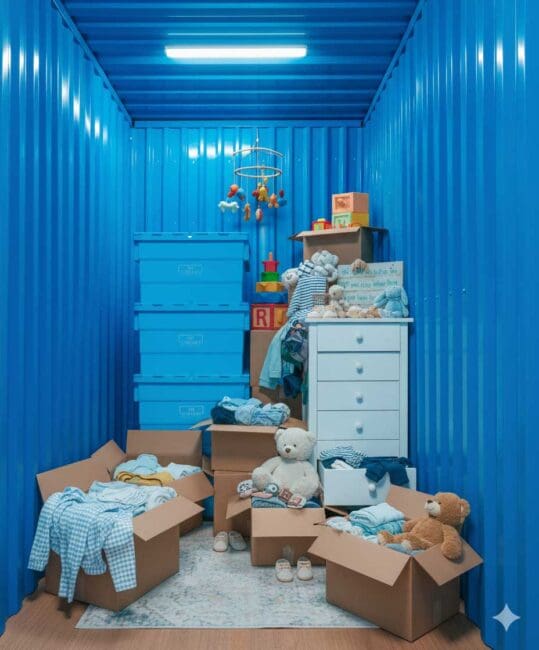
Consider storing them in a family storage unit or furniture storage facility to free up space at home.
5. Systematically Manage Documents & Sentimental Items
Objective: Tackle the two most challenging categories for minimalism: legal documents and mementos.
Implementation:
- Documents: Digitize (scan/photograph) invoices, user manuals, and papers that don’t require physical originals. Only retain hard copies of crucial legal documents (e.g., property deeds, contracts).
- Sentimental Items: Only keep those that evoke the strongest emotional value. Other items should be photographed in high quality and stored off-site (in a household goods & luggage storage facility for families).
Start Minimizing with MyStorage Self-Storage Solutions
Removing items from your living space doesn’t mean you have to throw them away. For busy individuals, the most optimal solution for managing “important but infrequently used” items is to utilize Personal Self-Storage services.

MyStorage offers flexible, secure storage solutions, helping you instantly declutter your home and efficiently manage your ‘storage transition’:
- Clean, Safe, and Humidity-Controlled Units: We ensure your belongings, documents, and furniture are stored in ideal conditions, preventing damage from mold, mildew, or pests.
- Variety of Sizes: With options ranging from 1m² (mini storage units) to 20m² (large units), you can easily find the perfect space to suit your needs, whether it’s for a few document boxes or an entire set of seldom-used furniture.
- Flexible 24/7 Access: No matter how busy your schedule, you can access your private storage unit anytime – day or night, weekdays or weekends – ensuring that retrieving or adding items is always convenient and on your terms.
Ideal for Storing:
- Seasonal Items: Winter/summer clothing, camping gear, festive decorations.
- Equipment & Furniture: Old office equipment, spare furniture, bicycles, bulky sports gear.
- Documents & Cherished Memories: Safely store important documents, business records, and precious keepsakes that aren’t needed on a daily basis.
Let MyStorage empower you to take that crucial step towards minimalism: declutter your living space and reclaim your peace of mind. Contact us today to find the perfect storage size and rental that fits your budget!