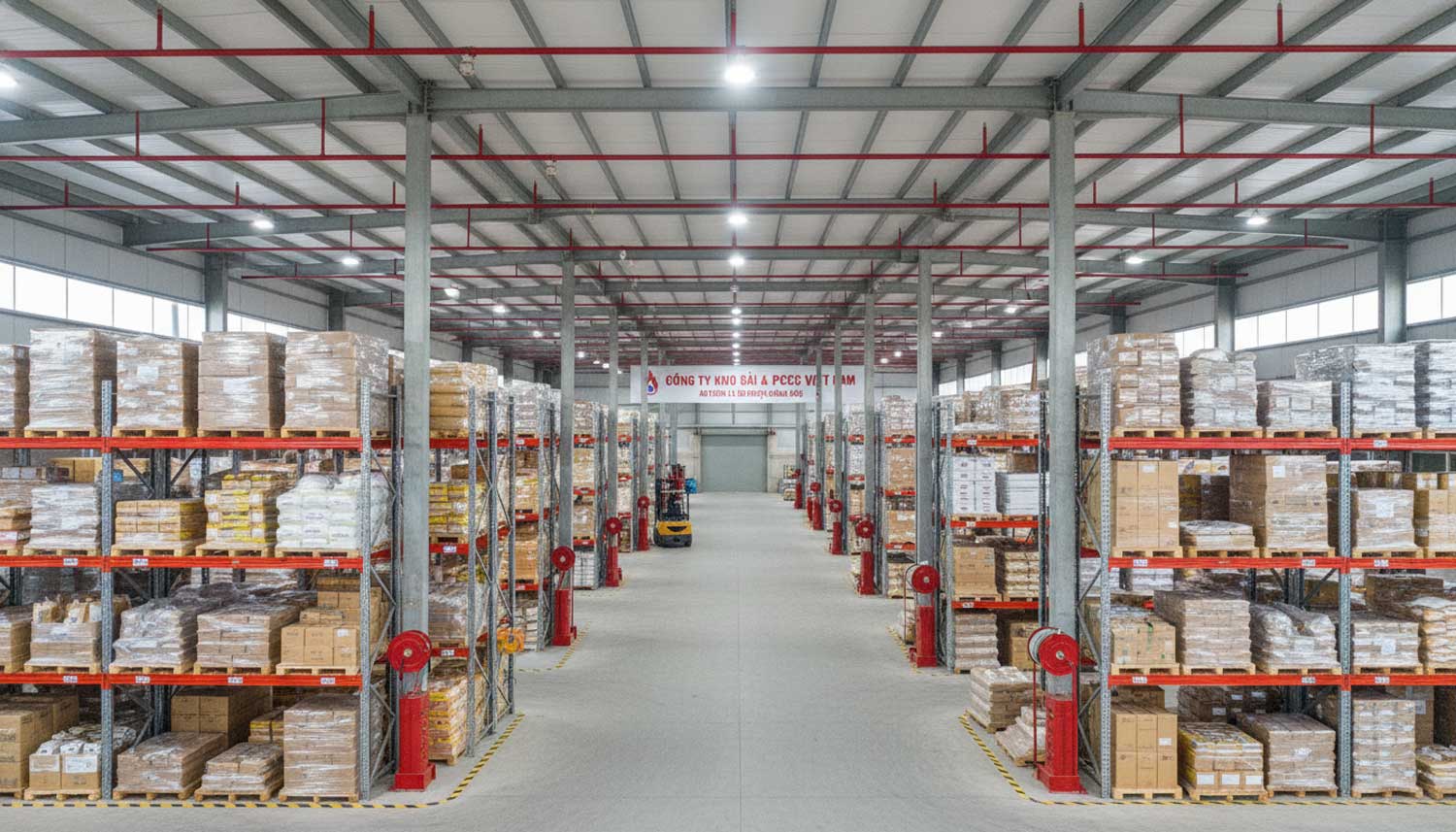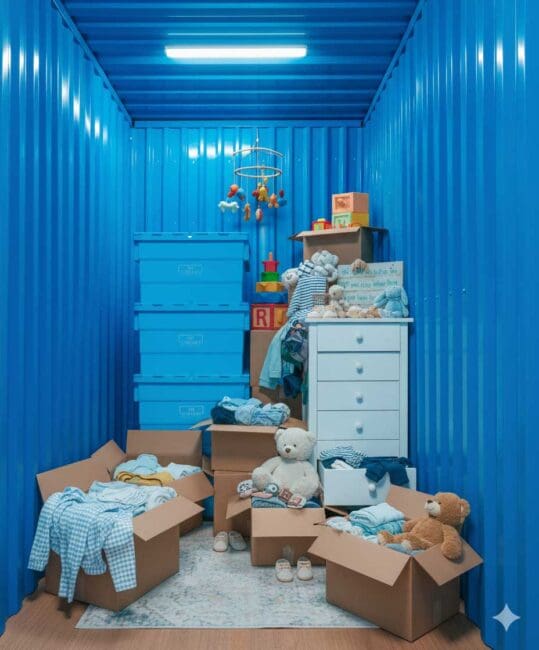
MyStorage offers flexible storage solutions for household items and luggage in Ho Chi Minh City, especially useful when moving, renovating, or traveling. With options ranging from self-storage to full-service warehousing, customers are guaranteed 24/7 security, temperature-controlled cold storage, and cargo insurance. Notably, MyStorage has now expanded its locker rental service to include hourly slots at MiniStop in District 7, offering maximum convenience.
Home renovations often bring a sense of excitement as your living space is about to be refreshed, but they also come with their fair share of worries: cluttered belongings, dust, scratches, or even misplacing valuable items. Without a clear plan, renovations can become chaotic, prolonged, and exhausting for the whole family. This is why planning for storage during home renovation is an incredibly crucial step. Properly organizing and protecting your belongings not only helps to:
- Prevent damage and loss of items during construction
- Ensure safety for your family and the renovation team
- Help the renovation work proceed more smoothly and quickly
- Save time and effort on cleanup after completion
In this article, MyStorage shares an A-Z guide to storing your belongings during home renovation, helping you confidently transform your living space without worrying about your possessions.
Essential Steps Before Storing Your Belongings
Before you start packing and moving items into storage, thorough preparation will help you save time and costs, while minimizing the risk of damage throughout the renovation process.
1. Create an inventory and categorize your belongings
The first step is to inventory all items in your home and categorize them by usage frequency and value. This helps you clearly identify which items your family needs to store and which ones you’ll keep for daily use.
You can divide items into groups:
- Daily use items
- Infrequently used items
- Valuable items (documents, electronics, souvenirs)
- Fragile items (glassware, ceramics, decorative items)
Use Excel spreadsheets, Google Sheets, or note-taking apps to manage your inventory list, making it easy to track items when retrieving them later.
2. Declutter, donate, or discard unnecessary items
Renovation is an ideal time to clear out items you haven’t used in a long time. Decluttering or donating not only helps organize your space but also significantly reduces the volume of items needing storage, thereby saving on storage rental costs.
Some suggestions:
- Resell items that are still in good condition
- Donate clothes, books, and household appliances
- Discard broken or valueless items
If you haven’t used an item in 6 months to 1 year, chances are you don’t need to keep it.
3. Clean items thoroughly before packing
Cleaning items before storing them helps to:
- Prevent mold, odors, and pests during long-term storage
- Keep items clean and ready for use when retrieved
Remember to:
- Wipe dry wooden and metal items
- Wash and thoroughly dry clothes and bedding
- Clean electronic devices before packing
4. Prepare adequate packing supplies
Appropriate packing supplies help protect your belongings better throughout the storage period. You should prepare:
- Sturdy cardboard boxes in various sizes
- Packing tape, scissors, utility knife
- Newspaper, bubble wrap, PE film, soft fabric for cushioning
- Marker pens and labels to note contents
Clearly label each box with its contents and the room it belongs to, making future organization and retrieval much quicker.

Guide to Safe and Efficient Packing When Renovating Your Home
Proper packing not only helps protect your belongings from damage but also makes the process of storage, transportation, and rearrangement after home renovation quicker and less stressful.
1. Pack by Room or by Item Type
A crucial principle is to pack systematically, avoiding mixing items randomly, which makes searching for them later difficult.
You should:
- Prioritize packing less-used rooms first (storage room, secondary living room, home office).
- Group similar items or items with the same function into one box.
- Do not mix heavy items with light items in the same box.
Benefit: Easy to organize during storage and saves time when retrieving items for reuse.
2. Packing Rules for Each Type of Item
Each type of item has its own characteristics, so it’s essential to apply appropriate packing methods to minimize impact and damage.
Fragile items (dishes, glasses, mirrors, decorative items)
- Wrap each item individually with newspaper or bubble wrap.
- Stack plates and bowls vertically, not horizontally.
- Fill empty spaces tightly with paper or soft fabric to prevent shifting.
Clearly label: “FRAGILE – HANDLE WITH CARE” on the box.
Clothes, fabrics, bedding
Wash and completely dry before packing.
Use vacuum-seal bags to save space and prevent moisture.
Fold neatly into boxes or suitcases.
Tip: Separate clothes by season for easy access when urgently needed.
Books, documents
- Pack tightly into small boxes to avoid making them too heavy and tearing the box.
- Use string or PE wrap to secure them, preventing bent covers.
- Do not store books with items prone to moisture.
Electronics (TVs, computers, refrigerators, home appliances)
Disassemble accessories (cables, remotes), put them in separate bags, and label them.
Prioritize using original boxes; if not available, wrap with thick foam and shock-absorbing film.
Clearly label: “ELECTRONICS – DO NOT STACK.”
Note: For refrigerators, clean, dry, and leave the door open for a few hours before packing.
Furniture (tables, chairs, cabinets, beds)
- Disassemble removable parts (table legs, bed frames).
- Wrap corners and cabinet legs carefully with foam or cardboard.
- Wrap the entire item with PE film or canvas to protect against dust and scratches.
3. Label Boxes Clearly and in Detail
Proper labeling helps you keep better track of your belongings and saves a lot of time when you need to retrieve items.
Each box should have:
- Room name + item type (Example: “Kitchen – Dishes,” “Master Bedroom – Winter Clothes”)
- Special notes: “Fragile,” “Important,” “Open First”
- Sequential numbering (Box 1/15, 2/15…) for easy inventory
Take photos of each packed box and save them on your phone for quick reference.

Storage Solutions for Home Renovations
During a home renovation, choosing the right storage solution is crucial. It not only helps protect your belongings from damage and dust but also contributes to a safe, tidy, and on-schedule construction process. Below are the most common storage options, along with their pros and cons for your consideration.
1. Self-storage at home (if space allows)
This is a preferred option for many families who want to avoid additional costs.
Pros:
- Cost-effective.
- Convenient for urgent access to items.
Cons:
- Occupies living space.
- Prone to dust and mold if not properly covered.
- Can obstruct construction work and material movement.
Optimal solution:
- Use an unused room not undergoing renovation to consolidate items.
- Cover belongings with tarps, PE film, and elevate them off the floor.
- Arrange neatly, leaving pathways for workers.
- Ensure ventilation to prevent mold.
- Suitable for large homes, minor renovations, or short-term projects.
2. Storing items at a relative’s or friend’s house
A cost-saving option that requires careful consideration.
Pros:
- Virtually no cost.
- Peace of mind regarding trustworthiness.
Cons:
- Can inconvenience others.
- Storage space is often limited.
- Inconvenient for sudden access to items.
Important notes:
- Clearly agree on the storage duration and space usage.
- Pack carefully and label clearly to avoid mix-ups.
3. Renting a mini storage unit (Self-storage)
This solution is increasingly popular in major cities.
Pros:
- High security and safety (24/7 cameras, guards).
- Professional storage environment: humidity control, fire protection, pest control.
- Flexible in terms of space and rental duration.
- Convenient access to the unit when needed.
Cons:
- Incurs rental costs.
Notes when renting:
- Choose a storage facility close to home and easy to access.
- Check the unit’s condition: clean, dry, secure.
- Understand the service package and item insurance.
- Prioritize reputable providers like MyStorage, Cube Storage, etc.
- Suitable for families undertaking extensive, long-term renovations or those with many valuable items.

4. Use All-Inclusive Storage Services
A “hassle-free” solution for busy individuals.
Pros:
- No need for self-packing, transportation, or arrangement.
- Minimizes the risk of damage.
Cons:
- Higher costs.
- Less flexible if frequent access to items is needed.
Suitable for:
| Solution | Cost | Convenience Level | Safety | Who it’s for |
|---|---|---|---|---|
| Self-storage at home | Low | Medium | Low – Medium | Spacious homes, minor renovations |
| Storing at relatives’ homes | Very Low | Low | Medium | Few items, short-term |
| Renting a mini-warehouse (self-storage) | Medium | High | High | Long-term renovations, many items |
| All-inclusive storage | High | Very High | Very High | Busy individuals, valuable items |
Other Important Considerations When Storing Items During Home Renovation
Beyond choosing the right storage solution, you should also pay attention to the following crucial factors to minimize risks and maximize asset protection throughout the renovation period.
- Item Insurance
For high-value items such as electronics, expensive furniture, or important keepsakes, you should:
- Thoroughly check the insurance policy of the warehouse rental company or storage service.
- Consider purchasing additional insurance if the storage period is long or the asset value is high.
Insurance provides an essential layer of protection against unforeseen circumstances such as fire, flood, or damage during transportation.
- Store Important Documents and Daily Essentials Separately
Avoid packing all your belongings at once. Instead, prepare:
- A separate bag or box for personal identification, cash, important documents, medications, and essential personal items.
- Place it in an easily accessible, secure location, avoiding long-term storage with other items.
This ensures your daily life remains convenient and prevents time wasted searching during the renovation.
- Photograph Items Before Storage
Before packing and transportation, you should:
- Take overall and close-up photos of valuable items.
- Document the initial condition of your belongings.
These images will serve as crucial evidence in case of disputes, claims, or for comparison after retrieving your items for use.
- Plan Transportation Logistically
Transportation requires thorough preparation:
- Choose appropriate transport: a three-wheeled vehicle, small/large truck, or professional moving service.
- Ensure sufficient manpower to prevent bumps and damage to items.
- Arrange transportation times that align with the renovation schedule and warehouse handover.
Home renovation will be much smoother and more efficient if you prepare thoroughly right from the item storage phase. Clear planning, proper packing, and choosing the right storage solution not only help protect your assets but also ensure safety, save time, and reduce effort throughout the construction process. Whether you store items at home, with relatives, or rent a professional warehouse, proactivity and carefulness are key to a smooth and low-risk renovation.
Hourly Locker Rental Service at Ministop
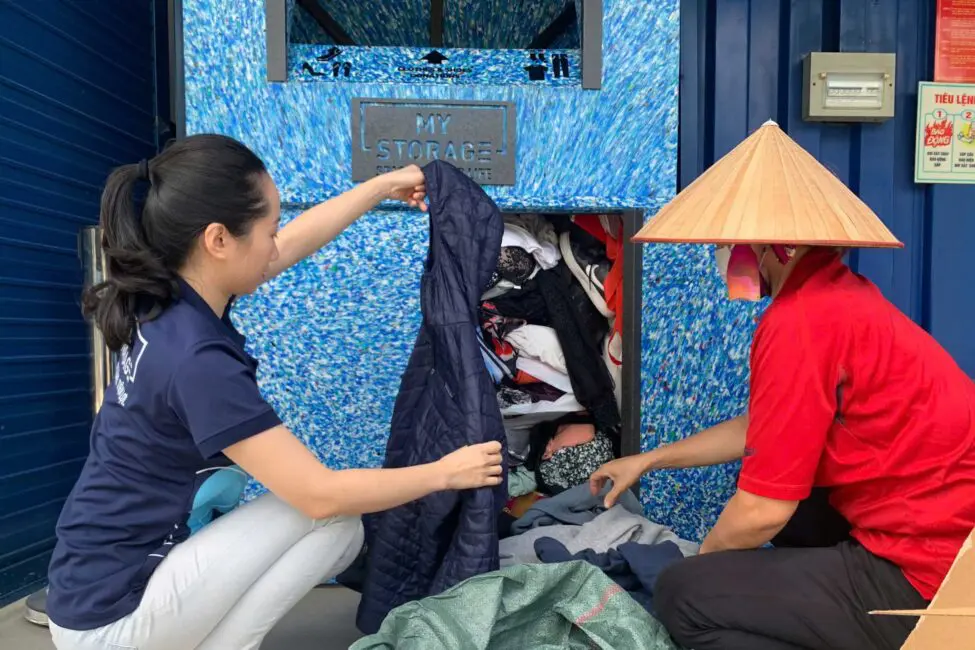
MyStorage locker service at MiniStop is a short-term storage solution allowing customers to rent by the hour or by the day. Located in MiniStop convenience stores in District 7, operating 24/7, this locker system is extremely secure with surveillance cameras and electronic locks, allowing users to quickly and affordably store their luggage and bags right in the city center.
- Hourly Rental: Unlike traditional monthly rentals, at MiniStop, you can rent a locker to store your luggage, bags, helmets, or shopping items by the hour.
- Good Location: The lockers are located right inside MiniStop, making it easy to store your belongings before going to work, going out, or meeting clients without having to carry heavy items.
- 24/7 Operation: Suitable for busy lifestyles, you can deposit and retrieve items anytime (even at midnight) via QR code or mobile app.
- Suitable for: Travelers needing to leave their suitcases storage while waiting to depart for the airport, delivery drivers needing a safe place to pick up and drop off goods, or office workers needing a place to store personal belongings after work before going to the gym/on a date.
FAQ
Why do I need to store belongings during a home renovation?
Storing belongings during a renovation prevents damage and loss, keeps people safe, and helps the renovation stay organized and efficient.
Which items should be stored away during renovation?
Fragile items, electronics, large furniture, important documents, and non-daily items should be relocated out of the renovation area.
Is storing items inside the home a good solution during renovation?
It can work temporarily if you have unused space, but clutter and dust can still cause damage or obstruct renovation work.
Should I use a self-storage unit to store belongings during renovation?
Yes, a self-storage unit offers secure, dust-free storage and is especially useful for valuable items or long renovation periods
What should I do before moving items into storage?
Clean items, pack them with protective materials, label boxes, and make an inventory list to easily find things later.
Are there any items I should avoid storing during renovation?
Avoid storing food, hazardous materials, items with odors, or important documents in uncontrolled environments; choose suitable storage methods instead.
Do I need to check my stored items regularly?
Yes, periodic checks help catch issues like moisture or damage early and adjust storage as needed.
Does storing belongings during renovation cost much?
Costs vary — storing items at home is nearly free, using friends’ space costs little, and professional storage units charge monthly but offer better protection.
Can storing items off-site reduce renovation stress?
Yes, knowing your belongings are safe off-site reduces worry and lets you focus on renovation tasks.
What storage option is best for fragile and valuable items?
A storage facility with humidity and temperature control and strong security is best to protect fragile and valuable items from dust, moisture, and impact.
Where can I find MyStorage lockers in District 7?
Currently, MyStorage’s smart locker system is exclusively located at the MiniStop on Tran Trong Cung Street, District 7. This is a strategic location, extremely convenient for residents in the Nam Long area or customers needing temporary storage while running errands or shopping.
Is the locker rental time flexible? Can I rent by the hour?
Absolutely! Our locker service is designed for instant storage needs with flexible rental packages: 1 hour, 2 hours, 4 hours, or daily. You can proactively choose the time frame that fits your needs and only pay for the actual time used.
What sizes are the lockers at MiniStop and how much can they hold?
To meet all needs from small handbags to bulky luggage, MyStorage offers locker compartments in two standard sizes: 1 CBM (1 cubic meter) and 2 CBM (2 cubic meters). With this capacity, you can safely store everything from a few backpacks and suitcases to golf clubs or small household items.