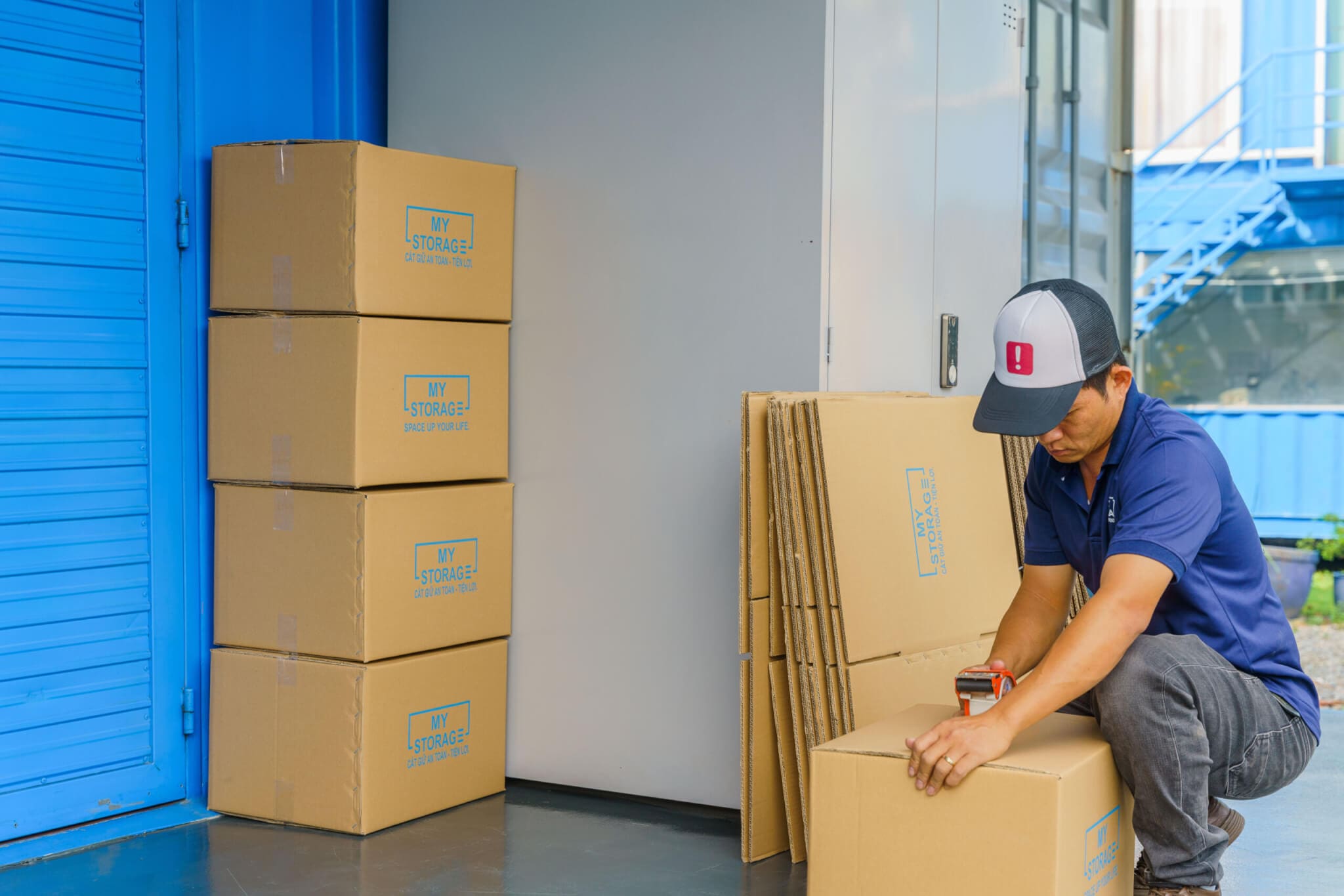
When it comes to protecting, storing, and transporting items, box packaging offers unparalleled advantages. Let’s dive into how the right storage packaging can make a difference in terms of sustainability, cost, durability, and overall utility.
Benefits of using cardboard boxes
- Sustainability at Its Best: Cardboard boxes stand out as a sustainable option in packaging. Unlike single-use packaging, corrugated cardboard retains its quality even after multiple uses. This means you can fold and reuse these boxes for various purposes, minimizing waste. Once their lifecycle ends, cardboard boxes are 100% recyclable, reducing their environmental footprint.
- Customizable for Every Need: Custom cardboard boxes provide unmatched flexibility. They can be made or easily crafted in any shape, size, or thickness to suit your specific needs.
- Superior Product Protection: Corrugated cardboard packaging offers enhanced protection, especially for fragile or perishable items. Its customizable thickness ensures that delicate goods remain intact during transit and storage. Moreover, it keeps moisture and bacteria at bay, making it an ideal choice for storing perishable foods without compromising quality.
- Lightweight and Ideal for Transportation: Weight is a critical factor in transportation costs, and cardboard packaging is lightweight yet durable. This makes it a cost-efficient option for shipping, as it reduces delivery expenses without sacrificing protection.
- Unmatched Durability: The three-layer structure of corrugated cardboard—featuring an inner and outer flat layer with a fluted middle—provides exceptional durability. This design withstands rough handling during transit and ensures products remain secure throughout the supply chain.
- Waste Reduction Made Easy: Bespoke cardboard boxes are designed to fit products perfectly, reducing material waste. In addition, these boxes are reusable, recyclable, and biodegradable. Whether repurposed for personal use or disposed of responsibly, they minimize environmental impact.
MyStorage Cardboard Boxes: Trusted Storage & Moving Solution
At MyStorage, we offer a range of high-quality cardboard boxes tailored to meet your specific moving and storage needs. Designed for durability and convenience, our boxes ensure that your belongings are safely stored and transported.
Moving Box (Small)
Our small-sized 5-layer box is compact yet incredibly sturdy, capable of holding heavy items with ease. It’s the perfect solution for organizing and storing papers, important documents, or smaller personal belongings. Despite its strength, the box is lightweight, making it easy to carry and handle during your move.

Moving Box (Medium)
Need a box for heavier and bulkier items? The medium-sized 5-layer box is built to last. Ideal for storing electronics, household goods, and large personal belongings, this box offers superior protection with its thick and durable design. Whether for transport or storage, you can trust it to safeguard your items against damage or dents.

Moving Box (For Clothes)
Unique to MyStorage, this specialized clothing box offers the ultimate convenience for your wardrobe. Designed with a built-in clothes rod, you can transfer garments like suits, dresses, and shirts directly from your closet into the box without worrying about wrinkles. Its tall, spacious design ensures your clothes remain neatly hung and intact, even during transport.

Why Choose MyStorage Boxes?
- Durable & Reliable: Constructed with 5-layer cardboard for maximum strength.
- Versatile Designs: Perfect for documents, household items, or clothes.
- Convenient Features: Lightweight and easy to use, with special designs for specific needs.
- Upgrade your moving experience with MyStorage cardboard boxes—storage packaging that offers both protection and peace of mind.
5 Tips for efficient cardboard box packing
Packing for a move is often seen as one of the most challenging parts of relocation. However, with proper planning and techniques, you can simplify the process and protect your belongings. Below, we’ve compiled detailed tips to help you pack your cardboard boxes safely and efficiently for a stress-free moving experience.
Choose the Right Box Sizes
Selecting the appropriate box sizes is the foundation of effective packing. Different items require different box sizes to ensure safety and ease of handling.
- Small boxes: These are perfect for heavy and dense items such as books, tools, or canned goods. A smaller size ensures the weight is manageable and prevents overloading.
- Medium boxes: These work well for everyday household items like clothes, toys, small appliances, and decor.
- Large boxes: These should be reserved for lightweight, bulky items such as bedding, pillows, and stuffed animals. Overloading large cardboard boxes with heavy items can make them prone to tearing or collapsing.
Test the weight of each cardboard box as you pack. Ideally, each box should not exceed 50 pounds (about 23 kg) to make it easier to carry.
Use High-Quality Packing Materials
Investing in the right packing materials can save you from the heartbreak of broken or damaged belongings. Here’s what you’ll need:
- Bubble wrap: Provides a protective cushion for fragile items such as glassware, ceramics, and electronics. Wrap each item individually for maximum protection.
- Packing paper: Ideal for wrapping dishes and smaller items. You can also use it to fill gaps inside boxes, preventing items from shifting during the move.
- Packing tape: Opt for heavy-duty tape designed for moving boxes. Apply tape generously along the box seams and edges to ensure they remain sealed during transit.
- Sturdy cardboard boxes: Avoid using old or flimsy boxes that may collapse under pressure. Look for double-walled boxes for added durability.
Alternative Tip: For an eco-friendly approach, use items like towels, blankets, or clothes as padding for fragile objects.

Label Boxes Clearly
Proper labeling makes unpacking much easier and prevents mix-ups during the move. Take the time to label each box with essential details.
- Room information: Write the name of the room the box belongs to, such as “Kitchen” or “Living Room.”
- Contents: Include a brief description of the box’s contents, like “Plates and Bowls” or “Books.”
- Special instructions: Mark boxes containing fragile items with labels like “Fragile” or “Handle with Care.” Similarly, write “This Side Up” for boxes with liquids or delicate items that need to stay upright.
Pro Tip: Use a color-coding system by assigning different colors to each room. For example, use blue for the kitchen and red for the bedroom. This makes it easier for movers to know where each box goes.
Pack Smart and Maximize Space
Efficient packing means making the best use of the space in each box while keeping items secure. Follow these strategies to pack smarter:
- Layering: Start with heavier items at the bottom of the box and lighter items on top. This prevents fragile items from being crushed.
- Fill gaps: Use towels, clothes, packing paper, or bubble wrap to fill empty spaces. This prevents items from shifting or rattling during transportation.
- Keep similar items together: Group similar items in the same box, such as kitchen utensils or office supplies. This will make unpacking much more organized.
- Disassemble large items: If possible, dismantle large or awkwardly shaped items (like table legs or lamps) to save space and prevent damage. Store the screws or small components in labeled bags and tape them to the item.
Pro Tip: Avoid mixing items from different rooms in the same box. This will save you from confusion when unpacking.
Don’t Overpack Boxes
While it may be tempting to fit as much as possible into fewer boxes, overpacking can lead to issues. Overloaded boxes are harder to lift and more likely to tear or collapse during the move.
- Distribute weight evenly: Keep the weight of each cardboard box balanced to make carrying easier. For example, pair heavier items like books with lighter items like pillows.
- Leave room for sealing: Overpacked boxes are harder to seal properly, leaving them vulnerable to damage. Ensure there is enough space at the top of the box to close it securely with tape.
- Test the box’s weight: After packing, lift the box to check its weight. If it feels too heavy, repack into two smaller boxes.
Pro Tip: Avoid packing liquids or perishables unless absolutely necessary. If you must, double-bag them to prevent leaks.
Additional Tips for Moving Day
- Prepare an Essentials Box: Pack a separate box with items you’ll need immediately upon arrival at your new home. This might include toiletries, chargers, a change of clothes, and basic kitchen supplies.
- Secure Valuables: Keep important documents, jewelry, and personal items with you instead of packing them with the rest of your belongings.
- Plan the Loading Order: Pack boxes you’ll need first in your new home last so they are easily accessible during unloading.
Whether you’re moving, storing, or shipping goods, investing in proper box packaging ensures safety, efficiency, and sustainability. Businesses and individuals alike benefit from its durability, customizability, and cost savings. By choosing the right storage packaging, you can protect not just your belongings but also the environment.