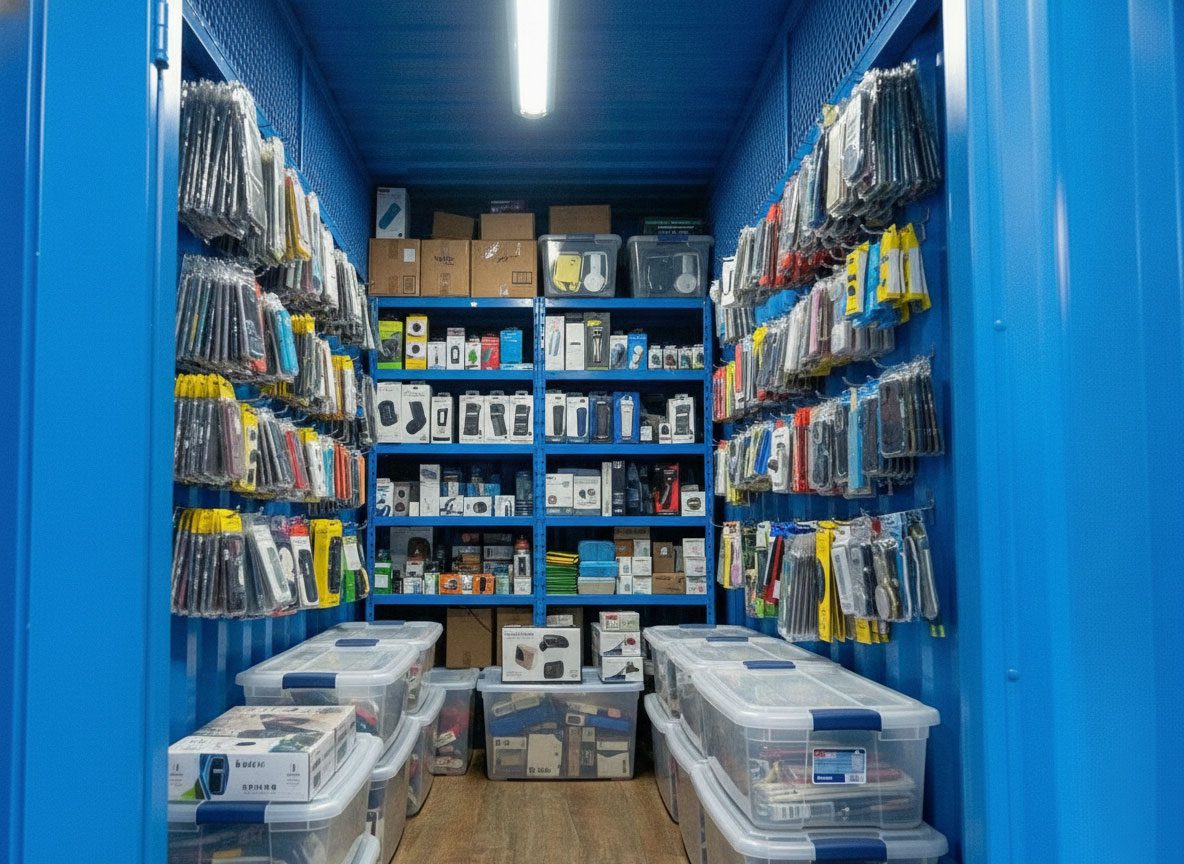
Many businesses only have storage needs during peak seasons like Tet, Black Friday, 11.11, 12.12, or festivals. Instead of long-term warehouse rental or expanding premises, seasonal warehouse rental solutions help businesses flexibly increase storage space in the short term, optimize costs, and easily scale up or down according to business needs.
What Is Seasonal Warehousing?
Seasonal warehousing is a flexible storage solution that allows businesses to increase warehouse space during peak periods and scale back after the season ends, without needing to invest in fixed warehousing. This is the optimal way to manage storage costs based on actual demand instead of paying for unused space year-round.
Monthly Rental — Flexible According to Business Cycles
Unlike traditional warehouse leases that require a 1–3 year commitment, seasonal warehousing allows businesses to rent on a month-to-month basis and adjust the area to fit actual production and sales schedules. A fashion shop can rent a larger warehouse 2 months before the autumn-winter season and downsize after the clearance sale ends.
A beverage distributor can expand their warehouse before summer and reduce it to a minimum during cooler months. This flexibility shifts warehouse costs from fixed to variable based on revenue, which is more suitable for highly seasonal business models.
Short-Term Rental — Meeting Sudden Peak Demand
Some businesses need a warehouse for a very short period, from 2–6 weeks, to handle a specific large shipment that their current warehouse cannot accommodate. Importing goods before Tet, preparing stock for 11.11, or receiving a large-scale imported shipment are situations that require short-term warehousing.
Instead of letting goods overflow into the office or incurring multiple logistics transportation costs, renting an additional storage unit for a short time solves the problem at a low cost without disrupting operations.
Expanding Or Scaling Down Area Based On Actual Needs
This is the feature that distinguishes seasonal warehousing from all other forms of traditional warehouse rental. Businesses are not locked into a fixed area but can adjust month by month based on actual inventory data.
| Stage | Action | Reason |
|---|---|---|
| 2–3 months before peak season | Increase warehouse area by 50–200% | Import large quantities to get good cost prices and be ready to fulfill orders quickly |
| During peak season | Maintain large area | Continuous shipping, need space for operations and packaging |
| After peak season | Scale down to base level | Inventory decreases, no need to pay for empty space |
| Off-peak | Keep at minimum level | Only store essential goods and prepare for the next season |
No Need For Fixed Warehouse Investment
Building or renting a long-term warehouse to match peak inventory levels requires significant capital investment and creates wasted costs for most of the year when inventory is lower. Seasonal warehousing completely eliminates this problem.
| Category | Fixed Warehouse | Seasonal Warehouse |
|---|---|---|
| Initial investment capital | High, long-term commitment | None, storage monthly rental |
| Off-peak month costs | Same as peak months even if not fully used | Only pay for the area actually used |
| Risk when business changes | High, bound by contract | Low, adjust or stop renting at any time |
| Sudden expansion capability | Limited by the signed area | Flexible, increase immediately upon demand depending on supply |
| Suitable for | Businesses with stable year-round inventory | Highly seasonal businesses |
Why Do Businesses Need Seasonal Warehousing?
Most retail and distribution businesses have inventory that fluctuates cyclically throughout the year. When sudden demand exceeds the capacity of the current warehouse, businesses need flexible supplementary storage solutions instead of investing in fixed space just to serve a few peak months.
- Year-End Peak: The period from October to February of the following year is the largest retail peak of the year in Vietnam, including sales events like 10.10, 11.11, 12.12, Christmas, and Lunar New Year. Order volume during this period usually increases by 200–500% compared to normal months, requiring inventory several times larger to respond in time. Businesses that do not prepare enough warehouse space often face out-of-stock situations mid-sale, losing revenue to competitors who were better prepared. Seasonal warehousing allows for increased capacity at the right time without long-term commitments.
- Importing Goods Before Sales Season: Many businesses choose to import large quantities before the sales season to optimize cost prices and ensure a stable supply. Suppliers often give 10–25% better prices when ordering in bulk, but this means storing larger inventory for a longer period before selling. Fashion businesses importing autumn-winter collections from July–August, Tet goods distributors importing from October, and cosmetic shops stocking up before 11.11 all need temporary storage space exceeding their daily warehouse capacity.
- Running Promotional Programs: Flash sales, promotional combos, and gift-with-purchase programs require preparing large quantities of goods simultaneously in a short time. A 24-hour flash sale can consume an amount of goods equal to an entire normal month, requiring ready inventory to process all orders within a narrow timeframe. Preparing gifts and combo sets also requires separate space for packaging and sorting, often significantly more than standard packaging processes.
- Stockpiling Imported Goods: Imported goods often arrive in large batches due to container shipping costs, creating a sudden inventory spike immediately after customs clearance. Businesses importing 20–40 foot containers can receive 5,000–20,000 units of goods at once, needing 3–10 times more storage space than normal until the goods are distributed to the market. Seasonal imported shipments like winter warmers, summer swimwear, or year-end electronics all create a clear need for seasonal warehousing that can be planned in advance.
- Waiting for Distribution: Goods sometimes need to be stored temporarily while waiting for distribution to agents, branches, or retail points. This could be goods that have finished production but have not reached the launch date, goods waiting for customs clearance paperwork, goods needing quality inspection before distribution, or goods concentrated at one point before being divided into multiple channels. This waiting period is usually 2–8 weeks and requires temporary storage space rather than a long-term solution.
| Situation | Time supplementary warehouse is needed | Typical area increase |
|---|---|---|
| Preparing for 11.11 and 12.12 sales | September–December | 100–300% increase compared to normal |
| Importing Lunar New Year goods | October to January | 150–400% increase |
| Receiving imported containers | 4–8 weeks after clearance | 200–500% temporary increase |
| Running large flash sales | 2–4 weeks before and during the event | 50–200% increase |
| Goods waiting for distribution | 2–8 weeks | 30–150% increase depending on batch size |

Common Peak Seasons Requiring Warehouse Rentals
A business’s seasonal warehousing schedule typically aligns with major consumption periods throughout the year. Understanding this cycle in advance helps businesses plan for additional warehouse rentals at the right time, avoiding storage shortages during the most critical weeks.
Lunar New Year (Tet)
Tet is the longest peak season with the most diverse range of goods in Vietnam. The demand for stockpiling Tet products usually begins in the 10th lunar month and lasts until the end of the 12th lunar month, creating a need for extra storage for 2–3 months.
| Tet Product Groups | Storage Characteristics | Storage Duration Needed |
|---|---|---|
| Confectionery and Jams | Requires a dry environment to prevent melting and mold | November to January (Solar calendar) |
| Gift Boxes | Bulky, requires shelving for sorting by set and customer | December to January |
| Tet Decorations | Fragile, requires careful packaging and light shelving | November to post-Tet |
| Alcohol and Beverages | Heavy, requires high load-bearing floors and sturdy racks | December to January |
| Tet Clothing and Fashion | Must avoid humidity and direct sunlight | November to January |
Black Friday
Black Friday has been introduced to Vietnam and is increasingly promoted by e-commerce platforms in late November. The characteristic of Black Friday is its short duration but high intensity, usually lasting only one week, yet order volumes can surge by 300–500% compared to a normal week.
Businesses need to prepare large inventories 2–3 weeks in advance and require more packing space to handle the rush of orders. Additional warehouse space is needed from early to late November, typically the shortest peak season but requiring the most significant spike in floor area.
Double Day: 9.9 — 10.10 — 11.11 — 12.12
Four major sales events on e-commerce platforms create four consecutive peaks in warehouse demand from September to December, with almost no break long enough to offload inventory.
| Sale Event | Warehouse Prep Time | Characteristics |
|---|---|---|
| 9.9 | From August | The first sale in the series, usually medium-scale |
| 10.10 | From mid-September | Immediately after 9.9; new stock arrives before old stock clears |
| 11.11 | From Sept–Oct | The largest of the year; many shops increase inventory 3–5 times |
| 12.12 | From November | Follows 11.11; requires clearing old stock while preparing new goods |
Businesses selling on multiple platforms during this period often require continuous additional storage from August to December, with space adjusted according to each sale event.
Mid-Autumn Festival
Mid-Autumn is the shortest but most concentrated season of the year, with a sales cycle of only about 6–8 weeks. Mooncakes, lanterns, children’s toys, and gifts all need to be imported early and stored before demand peaks.
A crucial characteristic is that mooncakes have a short shelf life, requiring strict inventory management based on the FIFO (First-In, First-Out) principle and a standard storage environment. Warehouse space is needed from the 7th to the end of the 9th lunar month, after which it is scaled down or fully vacated.
Christmas
Christmas in Vietnam is no longer just a religious holiday but has become a widespread season for shopping, decorations, and gifts. Christmas ornaments, gifts, toys, and specialty foods create warehouse demand from November until December 25th.
Notably, Christmas falls right after 12.12 and just before the Solar New Year, creating a continuous peak period with almost no break from late November through January. Businesses selling both Christmas and Tet products need to plan for additional storage throughout this entire extended period.
Back-to-School Season
The back-to-school season in August–September generates high demand for school uniforms, textbooks, stationery, and backpacks. This season is characterized by a very short cycle of about 4–6 weeks but with high intensity.
Distributors storing textbooks, uniforms, and school supplies need warehouse space from June–July for importing and sorting, peaking in August and declining rapidly after the school year starts. This product group has the clearest short-term storage demand of the year, making it ideal for monthly rental models without long-term commitments.
Summer Travel Season
The summer travel season from May to August drives demand for swimwear, sunscreen, travel accessories, and outdoor equipment. Businesses dealing in these categories need to stock up from March–April to be ready for early summer demand.
| Summer Product Groups | Storage Timing | Storage Characteristics |
|---|---|---|
| Swimwear and Beach Accessories | March–August | Avoid humidity and direct sunlight |
| Sunscreen and Summer Cosmetics | March–July | Requires temperatures below 30°C to prevent separation |
| Outdoor and Camping Gear | April–August | Bulky, requires high ceilings and wide aisles |
| Summer Food and Beverages | April–September | Temperature control needed for sensitive items |

Goods and Target Audiences Suitable for Seasonal Warehousing
Seasonal warehousing is ideal for any business with inventory that fluctuates significantly throughout the year. From e-commerce sellers to distributors and marketing agencies, the common need is to rapidly increase capacity before peak periods and scale back after the season ends without long-term commitments.
| Target Audience | Commonly Stored Goods | Peak Season | Typical Area |
|---|---|---|---|
| Shopee, TikTok, Lazada Sellers | Cosmetics, fashion, household goods, accessories | 9.9, 11.11, 12.12, Tet | 3–10 m² additional |
| Distributors | FMCG, packaged food, consumer goods | Tet, summer, year-end | 10–50 m² additional |
| Marketing Agencies | POSM, display materials, campaign samples | According to campaign schedules | 5–20 m² per project |
| FMCG Enterprises | Food, beverages, fast-moving consumer goods | Tet, summer, major promotions | 20–100 m² additional |
| Event Companies | Backdrops, furniture, equipment, decorative materials | September to January | 15–50 m² additional |
| Retail Chains | Clothing, footwear, toys, gifts | Collection changes, system-wide sales | 10–40 m² transit |
Storage Requirements by Product Group
| Product Group | Environmental Requirements | Risks of Improper Storage |
|---|---|---|
| Cosmetics & skincare | Below 28°C, 50–65% RH humidity | Phase separation, discoloration, active ingredient degradation |
| Packaged food & confectionery | Dry, shelf-life control | Mold, loss of flavor, expiration before sale |
| Clothing & footwear | Avoid moisture, no direct sunlight | Fabric mold, fading, deformation |
| Toys & decorations | Moisture-proof, avoid heavy stacking | Breakage, deformation, packaging damage |
| POSM & printed materials | Store upright, avoid warping | Bending, wrinkling, unusable |
| Corporate gifts | Keep original packaging, avoid dust | Damaged packaging affecting brand image |
General principle when assessing seasonal warehouse needs: if peak inventory exceeds 150% of normal levels and lasts for more than 4 weeks, renting additional seasonal storage is usually more cost-effective than investing in permanent warehouse expansion or allowing goods to overflow into offices and workspaces.

Case Study: Online Shop Doubles 11.11 Sales Thanks to Seasonal Warehouse Rental
Many online shops only experience high warehousing needs during mega sale events. Instead of letting stockouts or slow packaging lead to lost orders, renting additional temporary storage helps shops proactively stock enough inventory, process orders quickly, and maintain stable ratings during the most critical period of the year.
An online cosmetics shop in HCMC, operating for 3 years on Shopee and TikTok Shop, averages 40–60 orders per day during normal months. Their current cosmetics storage space is a second bedroom in an apartment, measuring about 12m², which is sufficient for daily operations but inadequate for peak sale periods.
Issues Before Renting Additional Storage
| Issue | Actual Impact |
|---|---|
| Insufficient space for bulk inventory | Had to restock in small batches, losing the cost advantage of placing large orders with suppliers |
| Inventory overflowing throughout the house | Bedroom, living room, and kitchen were all occupied as temporary storage for 2–3 weeks before the sale |
| Slow packaging during order surges | No fixed packing area, taking an extra 3–5 minutes per order to find items and clear space |
| Stockouts mid-sale | Last year, items ran out by the third day of 11.11 despite restock efforts, losing an estimated 30–40% in potential revenue |
| Delivery ratings affected | Slow packaging led to late deliveries, causing ratings to drop right when they needed to be at their best |
Solution: Renting Additional Storage 2 Months Before 11.11
Step 1 — Inventory planning based on previous year’s data
Based on last year’s 11.11 sales and a 100% growth target, the shop estimated needing 3 times the normal inventory levels for the 3 weeks leading up to and during the sale. The total volume of goods to be stored exceeded the bedroom’s capacity by about 4–5 times.
Step 2 — Renting a 6m² self-storage unit from early October
A 6m² storage unit at MyStorage was rented starting October 1st, enough to hold the entire peak inventory including serums, moisturizers, and special 11.11 gift sets. The 2-month rental cost was significantly lower than the projected additional revenue from having sufficient stock to sell.
Step 3 — Setting up a fixed packing area within the storage unit
A folding table and SKU-based sorting shelves were arranged in the unit, creating the shop’s first-ever dedicated packing area. Goods were clearly zoned by product line with full labeling, reducing the time to find items for each order to under 1 minute.
Step 4 — Bulk ordering in a single batch
Instead of multiple small restocks, the shop placed one large order before 11.11 and received an additional 8% discount from the supplier compared to regular prices. All imported goods were stored at MyStorage, leaving the living space unaffected.
Results Achieved
| Metric | Before renting storage | After renting storage |
|---|---|---|
| 11.11 Sales | X VND | 2X VND, 100% increase |
| Packaging speed | 8–10 minutes per order due to slow item retrieval | 3–4 minutes per order thanks to clear zoning |
| Stockout status | Out of stock by the third day of the sale | Maintained sufficient stock throughout the 7-day sale |
| Delivery rating | Decreased due to late deliveries during peak | Stable thanks to faster order processing |
| Living space | House occupied as storage for 3 weeks | House completely unaffected |
| Cost of goods sold | Higher due to multiple small restocks | Reduced by 8% thanks to a single bulk order |
| 2-month storage cost | None, but suffered losses from stockouts | Much lower than the additional revenue gained |
What the shop realized after 11.11 was not whether storage was expensive or cheap, but that the cost of not having enough storage was far greater than the cost of renting storage. Losing orders mid-sale due to stockouts, late deliveries from slow packaging, and being unable to place bulk orders due to lack of space were all hidden costs the shop hadn’t considered when deciding to save on warehousing expenses.
FAQ
How is seasonal storage different from regular long-term warehouse rental?
Seasonal storage allows monthly rental, flexible size adjustments, and no long-term commitment. Standard warehouse leases typically require 1–3 year contracts with fixed space, better suited to consistent year-round inventory rather than demand that fluctuates by season.
How far in advance should additional storage be rented before a sale?
Rent at least 4–6 weeks ahead to allow enough time for stock intake, sorting, and zoning setup before orders surge. For 11.11 and Tết, starting from September–October is advisable as many businesses are searching for storage simultaneously and availability may be limited.
How much additional storage space is needed for a major sale?
Calculate by estimating how many times peak inventory exceeds normal levels then multiply by current storage space used. If stock triples and current storage is 5m², an additional 10m² is needed. Add 15–20% buffer space for packing area and walkways.
Do small shops processing fewer than 50 orders daily need storage?
Yes, if orders increase over 150% during sale periods and current space cannot accommodate the volume. A small 2–3m² unit at 400,000–700,000 VND per month is usually sufficient for small shops during peak season, and this cost is typically lower than losses from running out of stock or a single day of late deliveries.
Can self-storage units be used for order packing?
Yes, if the unit is large enough to set up a work table and packing materials. Many sellers choose 4–6m² units for combined storage and on-site packing, particularly effective during sale seasons when hundreds of orders need processing daily without transporting stock home.
Can cosmetics and packaged food be stored in self-storage units?
Yes, if the facility maintains temperatures below 28°C and humidity at 50–65% RH. Cosmetics with active ingredients and packaged food are sensitive to high temperatures and humidity fluctuations, so confirm environmental standards with the storage provider before signing.
What should be done with leftover stock after a sale ends?
Three common approaches: keep in storage and continue selling at regular prices, run a clearance promotion to move inventory quickly before returning the unit, or downsize to a minimal unit and sell down gradually over the following month. Plan for post-sale inventory management at the same time as planning stock intake for the sale.
Does seasonal storage rental require a large deposit?
Monthly self-storage typically requires a 1–2 month deposit, significantly lower than traditional commercial warehouses that usually require 3–6 months. The deposit is returned when vacating in accordance with contract terms.
How can inventory be managed effectively when stock is split across two locations?
Use a simple spreadsheet or inventory management tool to track quantities at each location. Set clear rules about which items stay at the storage unit versus at home, and update immediately after every intake or dispatch to prevent overselling and confusion during high-volume order processing.
What preparation is needed before renting seasonal storage at MyStorage?
Estimate total peak inventory volume to select the right unit size. Contact MyStorage 4–6 weeks before the sale to ensure a suitable unit is available. Prepare shelving and category labels to establish a zoning system from the very first day stock is moved into the unit.
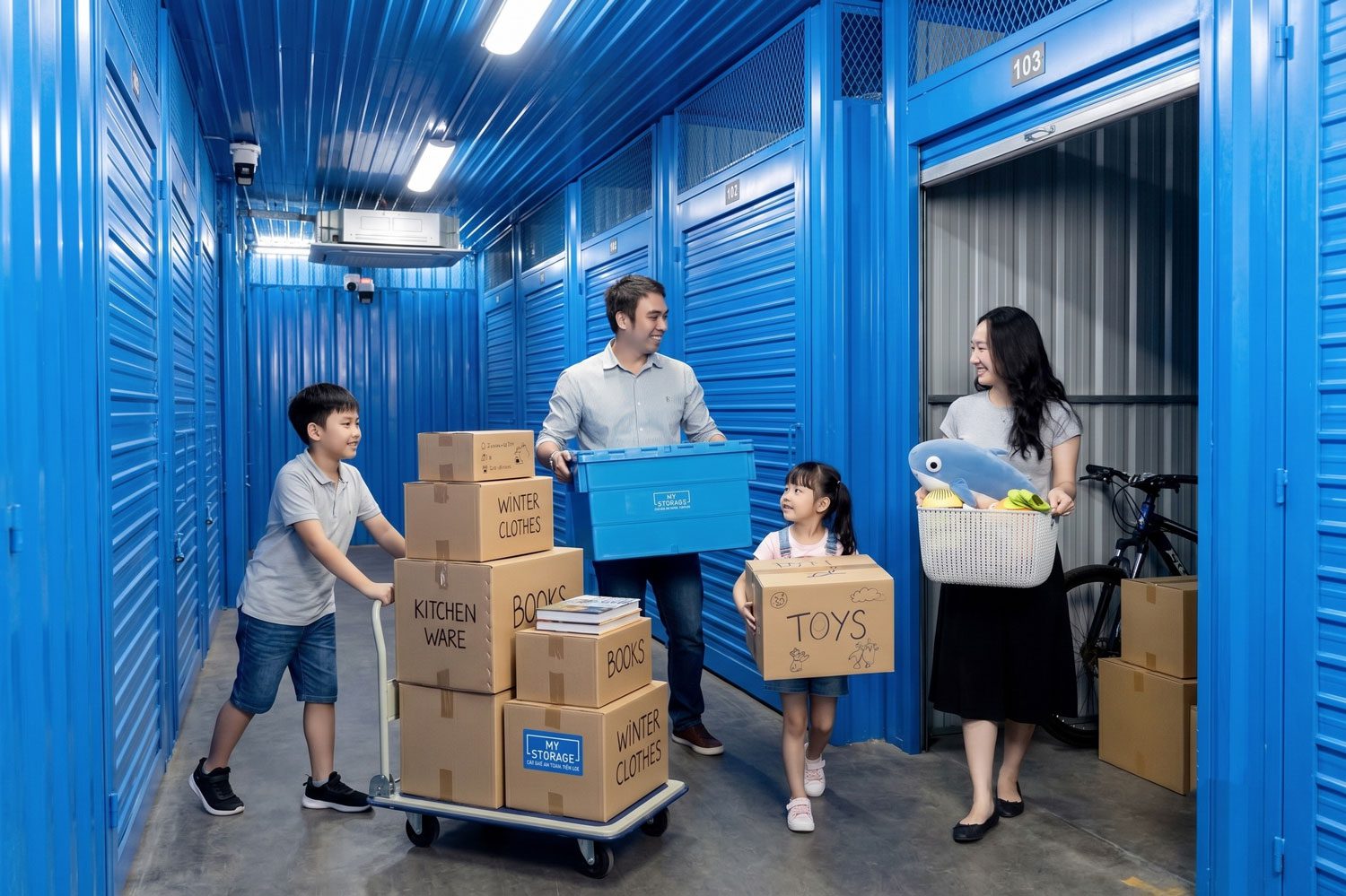


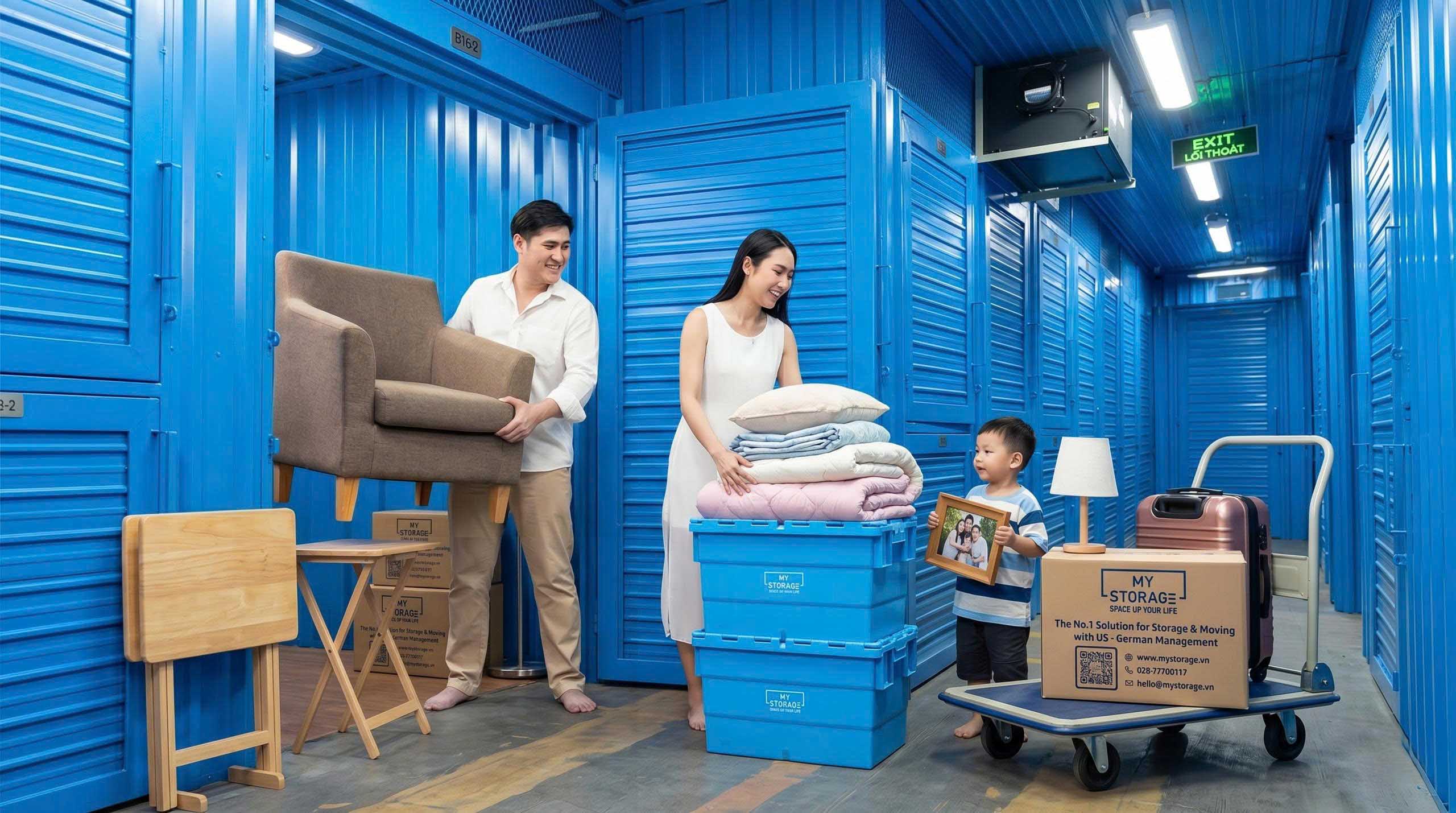







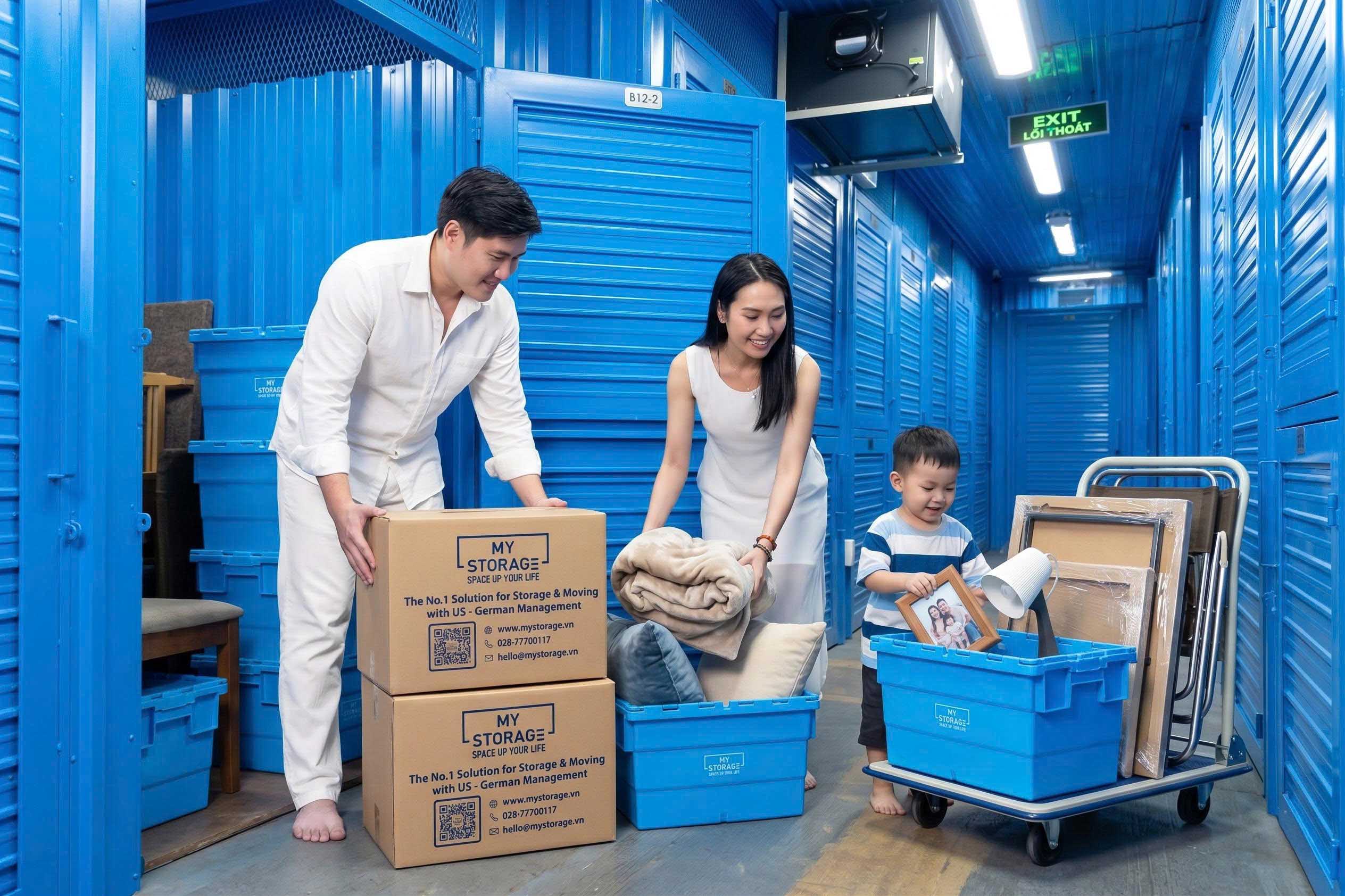





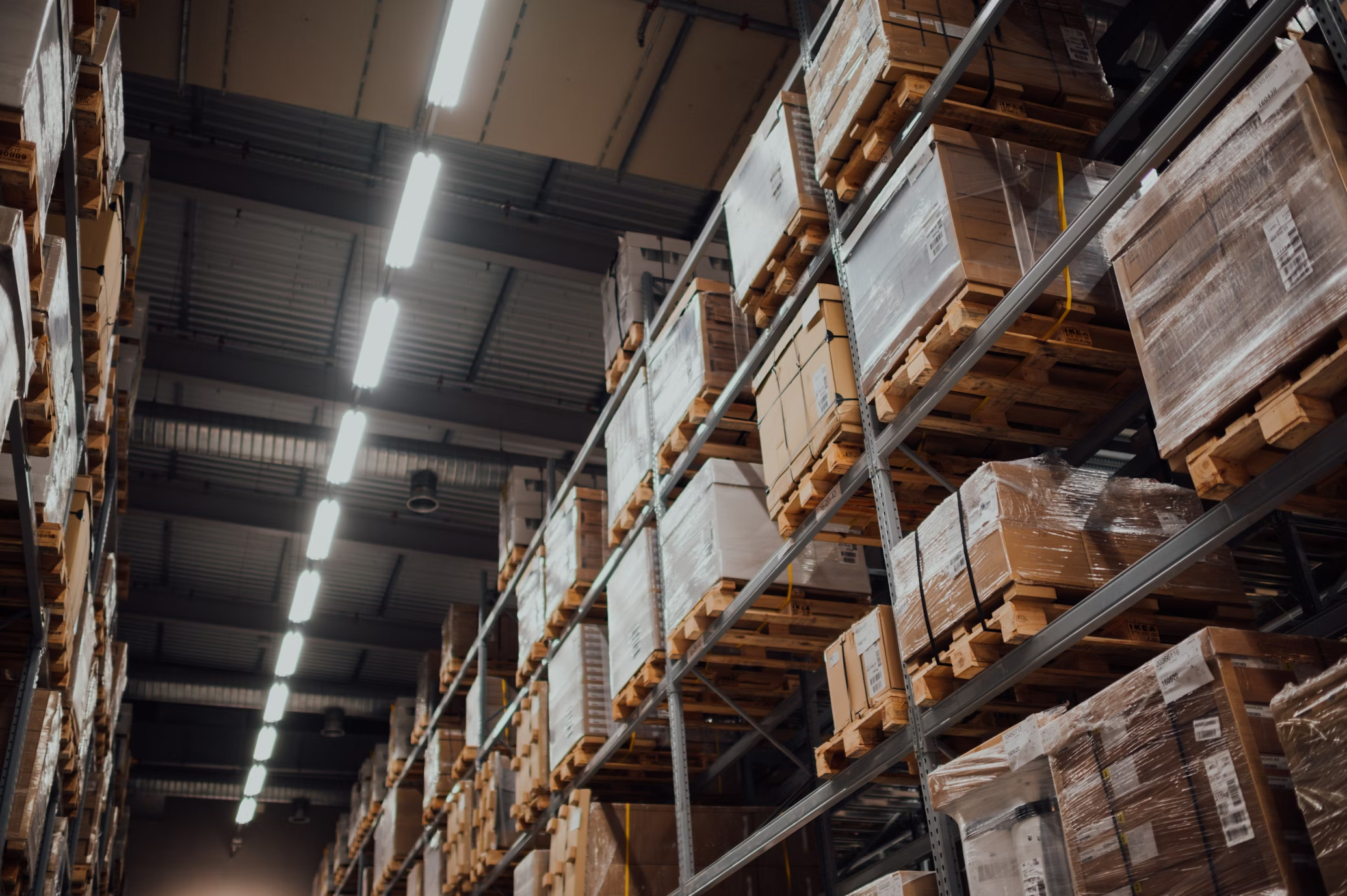

 At MyStorage, any business can rent a warehouse. We offer various warehouse rental packages suitable for large enterprises, as well as more cost-effective options for small and medium-sized businesses.