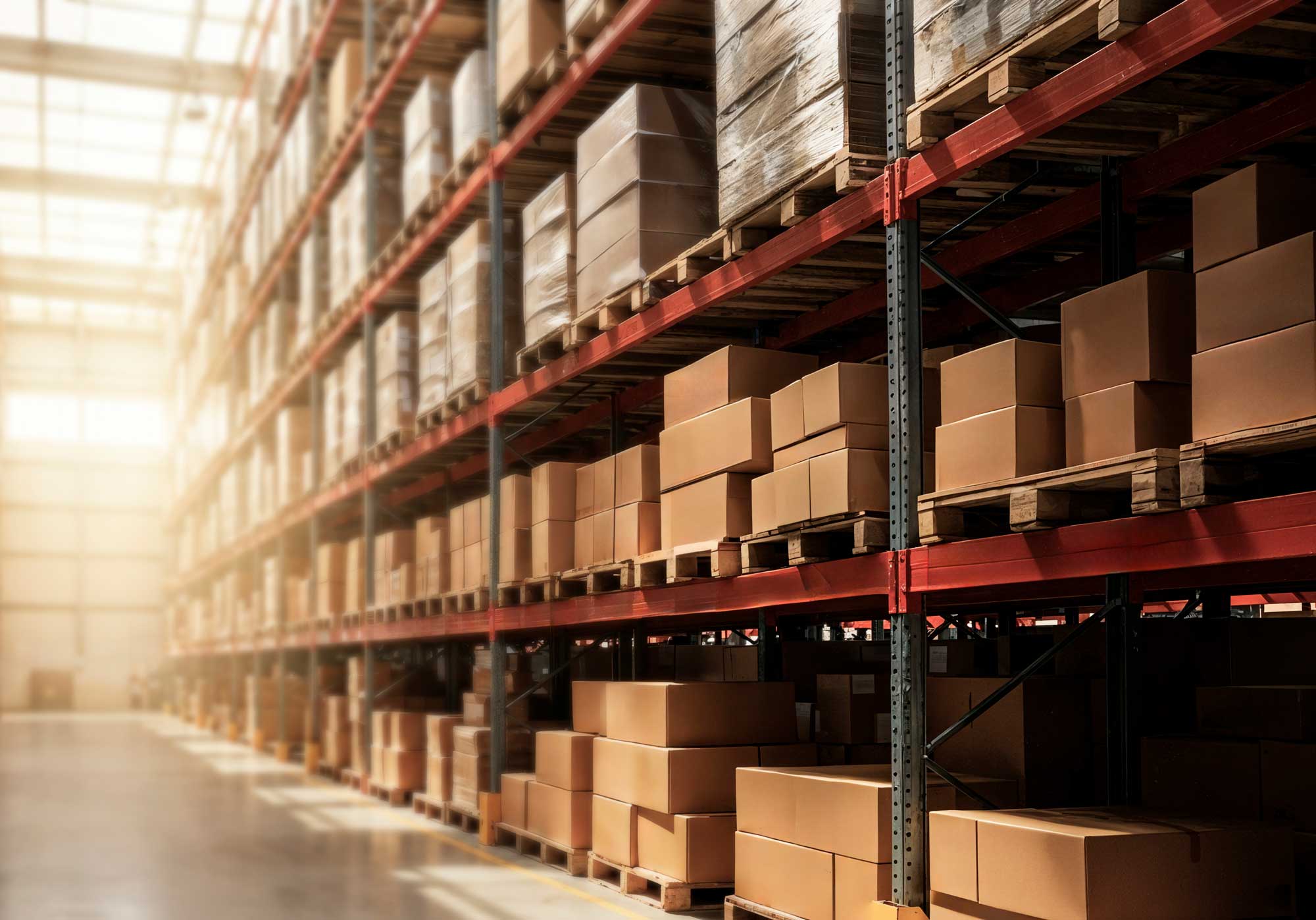
Office furniture storage is a solution that helps businesses store desks, chairs, files, equipment, and surplus assets safely, neatly, and flexibly during office moves, renovations, or workspace optimization. Instead of letting items take up space or having to liquidate them early, businesses can rent storage units based on the required area to reduce premises costs and better preserve their assets.
Why Do Businesses Need Office Furniture Storage?
Office furniture is a valuable asset but occupies a large area. When businesses expand, downsize, relocate, or renovate, the need for temporary storage arises naturally. Instead of hasty liquidation, self-storage helps preserve assets until they are needed again.
- Surplus desks, chairs, and filing cabinets after switching to hybrid: The hybrid work model popular after 2020 has caused many businesses to reduce fixed-office staff by 30–50%. The direct consequence is dozens of sets of desks, chairs, filing cabinets, and office equipment becoming redundant yet still holding high utility value. Immediate liquidation usually recovers only 10–20% of the original value, while temporary storage for 3–6 months allows businesses to reuse them when expanding again or sell them at a better price.
- Downsizing office space to optimize costs: Office rental costs in Ho Chi Minh City and Hanoi range from 300,000–800,000 VND per m² per month. Many businesses proactively reduce their leased area by 20–40% to cut fixed costs, leading to a surplus of furniture that needs to be handled quickly. Self-storage, with costs ranging from 50,000–100,000 VND/m²/month, is a much more economical temporary storage solution than maintaining the original office area just to store items.
- Relocating workspaces: The office moving process often lasts 1–3 months with many overlapping stages: the old office hasn’t been handed back, the new office isn’t ready, and furniture needs a temporary storage place in between. Without a transit warehouse, businesses are forced to rent temporary storage that doesn’t guarantee preservation conditions or leave items exposed, leading to damage and loss of assets during the transition phase.
- Office renovation and remodeling: Office renovation projects usually require clearing the entire space or specific areas for 2–8 weeks. Furniture needs to be moved out for construction but cannot be left in hallways or common areas. Monthly self-storage allows businesses to proactively schedule renovations without the pressure of finding temporary storage on short notice.
Surplus office furniture is not junk but assets not yet needed. A 10-seat meeting table set worth 30–80 million VND, if liquidated hastily, only brings in 5–10 million. Proper storage for 3–6 months preserves the full value of the asset until the business is ready to reuse it or resell it at a more reasonable price.
Common Types of Office Furniture Requiring Storage
Office furniture needing storage usually falls into four main groups: surplus desks and chairs after downsizing, filing cabinets and legal documents, IT electronic equipment awaiting reallocation, and backup furniture for the next expansion phase. Each group has different preservation requirements and can all be reused if stored correctly.
Office Desks and Chairs
Office desks and chairs are the asset group that occupies the most space and is most prone to hasty liquidation at the lowest prices. Proper storage helps businesses preserve asset value and reuse them when needed without having to buy new ones.
Desks, swivel chairs, meeting tables, and reception sofas are the items most likely to become redundant when businesses switch to hybrid or reduce headcount. An average quality office furniture set is valued at 5–20 million VND per set; quick liquidation usually only recovers 10–15% of the original value. Furniture storage requirements: dry warehouse, moisture avoidance to prevent peeling of wood surfaces or chair leather, sturdy shelving, or supporting pallets to avoid direct contact with the floor.

Filing Cabinets & Documents
Business documents have mandatory legal retention requirements of 5–10 years according to the Vietnam Accounting Law. A dry warehouse with humidity control is the minimum standard to preserve paper records from yellowing, mold, or decay over time.
Metal and wooden filing cabinets often come with a large volume of documents inside, with total weights reaching 50–200 kg per unit. When relocating or renovating an office, businesses often need to move this entire storage system out during construction. In addition to environmental conditions, document storage facilities must have security cameras and strict access control because many records contain sensitive financial, personnel, and legal information.
Electronic & IT Equipment
Computers, monitors, printers, and networking equipment are the most environmentally sensitive asset group. High humidity and sudden temperature fluctuations are the two main causes of IT equipment damage during storage.
Businesses often accumulate surplus IT equipment when upgrading systems, downsizing staff, or migrating to cloud solutions. Desktops, monitors, small servers, and networking devices still hold reuse or resale value but require proper preservation.
Storage requirements for electronic equipment include humidity below 60% RH, a stable temperature of 18–25°C, packaging in cardboard boxes with shock-absorbing padding, and placement on shelves to avoid floor contact. The total value of IT equipment for an office of 20–50 people can easily exceed 500 million VND, making it worthy of standard preservation rather than haphazard temporary storage.

Spare Furniture
Many businesses proactively store spare furniture to be ready for rapid expansion during sudden hiring surges or when setting up new branches without waiting for ordering and delivery times.
Spare furniture typically includes unassembled desks and chairs, office partitions, desk lamps, secondary monitors, and meeting equipment like webcams and speakers. Fast-growing companies in tech, finance, and e-commerce often maintain a spare furniture inventory equivalent to 20–30% of their current total workstations to onboard new staff within 24–48 hours instead of waiting 2–4 weeks for new orders. The cost of storing spare furniture is usually significantly lower than the cost of delayed onboarding or leaving positions vacant for extended periods.
Issues Without Storage & Real-world Changes After Renting
Excess furniture in the office not only causes clutter but also reduces work efficiency and professional image. Many businesses, after moving furniture to self-storage, have seen marked improvements in their work environment, better asset management, and significant savings on premises costs.
| Issues without storage | Changes after renting storage |
|---|---|
| Cramped office: Excess desks, chairs, cardboard boxes, and old equipment occupy 15–25% of the workspace. Employees lack room to move, and meeting rooms are repurposed as temporary storage, directly impacting productivity and morale. | Entire excess furniture moved to storage: The office is rearranged according to its intended design. Actual workspace increases by 15–25% without the need to rent more premises or pay for inefficient square footage. |
| Difficult asset management: No clear asset list; IT equipment and furniture are mixed up everywhere. Year-end inventory takes days, and assets are easily lost or damaged without clear records to assign responsibility. | Private storage with a categorized zoning system: Helps businesses know exactly where each asset is and its current condition. Periodic inventory is shortened from several days to just a few hours. |
| Perishable items: Wood and leather furniture kept in the office without humidity control are prone to peeling and mold during the rainy season. IT equipment left temporarily in hallways or makeshift storage without proper conditions is susceptible to oxidation and component failure. | Climate-controlled storage at 50–65% RH: Preserves furniture and equipment according to standards. Assets maintain a significantly higher reuse or resale value compared to being left temporarily in the office. |
| Loss of professionalism: Customers and partners visiting the office see piles of chairs, scattered cardboard boxes, and old equipment everywhere. The corporate image is affected even if service quality remains unchanged. | Office stays tidy and professional: Unused items have been moved to storage. Guest areas and meeting rooms are maintained to brand image standards. |
| Downsizing: A startup cuts 40% of its staff after an unsuccessful funding round, leaving 20 sets of desks and IT equipment occupying half the office. There is no budget for extra space, but they don’t want to liquidate quickly at low prices. | Move all excess furniture into a 15 m² storage unit: At a cost of 2–3 million VND per month. The office is neatly rearranged, and assets are preserved until the startup raises capital again and expands its team. |
| Company switching to hybrid: A 50-person company moves to a hybrid model (3 days in-office, 2 days remote). Half the desks become redundant, but the lease has 18 months left and cannot be downsized immediately. | Store 25 sets of desks and chairs in self-storage: Rearrange the office into a hot-desking model and create more collaboration areas. The workspace becomes more efficient, and employees are more satisfied with the new environment. |
| Office renovation or relocation: A 6-week office renovation project requires clearing the entire floor. The business has to overflow furniture into common hallways, causing inconvenience to the building and risking asset loss during construction. | Rent a 20–30 m² unit for 2 months: To store all furniture during the renovation. Construction proceeds without interruption, assets are kept safe, and they are handed back intact after the new office is completed. |
Comparison & Target Audience for Office Storage Services
Renting external storage helps businesses optimize workspace, better preserve assets, and remain flexible through various growth stages. This solution is suitable for most business models, from startups to corporate offices undergoing transformation.
Comparison: Storing Furniture at the Office vs. Renting External Storage
| Criteria | Storing at the office | Renting external storage |
|---|---|---|
| Workspace | 15–25% of the area is occupied by unused furniture and equipment | Completely tidy, area is utilized for its proper function |
| Asset management | Difficult to inventory, easily lost, no clear tracking system | Categorized by zone, with labels and inventory lists, fast retrieval |
| Preservation | No humidity control; wood and leather peel easily, IT equipment oxidizes | 50–65% RH humidity, stable temperature, long-term asset value preservation |
| Actual cost | Paying rent of 300,000–800,000 VND/m²/month for wasted space | Self-storage at 50,000–100,000 VND/m²/month, saving 80–90% on storage costs |
| Professionalism | Customers and partners see a cluttered office, affecting brand image | Office is always neat; guest and meeting spaces meet image standards |
| Flexibility | Fixed to the office area, cannot expand or shrink quickly | Adjust storage size monthly, no long-term commitment required |
| Security | General building security, no distinction on who accesses which assets | 24/7 cameras, private access control, logs for every entry/exit |
| Best suited for | Newly established offices with few assets and no storage needs yet | Businesses changing scale, relocating, or renovating their office |
Who is Suited for Office Storage Services?
| Target audience | Scenario | Commonly stored assets | Suitable area |
|---|---|---|---|
| Startup | Downsizing after staff cuts, switching to remote or hot-desking, office shrinking but assets still have value | Excess desks and chairs, IT equipment, monitors, office accessories | 5–15 m² |
| SME | Expanding then shrinking according to business cycles, moving offices, periodic renovation every 3–5 years | Spare furniture, filing cabinets, old IT equipment, marketing materials | 10–30 m² |
| Representative office | Operating with few staff, no private warehouse but needs to store legal documents and product samples | Contract files, catalogs, product samples, demo equipment | 3–8 m² |
| Coworking Operator | Frequent layout changes based on member needs, accumulating furniture from various setup phases | Modular desks and chairs, partitions, AV equipment, seasonal decor | 15–40 m² |
| Agency | Accumulating POSM, campaign materials, and demo items after each project; creative office space needs to stay tidy | POSM, standees, banners, samples, small filming/photography gear | 5–20 m² |
What Standards Should Office Furniture Storage Meet?
Office furniture storage must meet four core standards: strict security, a stable preservation environment, flexible space for different stages, and convenient logistics support. MyStorage meets all these criteria with a professional self-storage system in HCMC.
Security & Access Control
Corporate office assets, including IT equipment, legal documents, and high-value furniture, need to be protected by multi-layered security systems, rather than relying solely on conventional locks.
| Security Criteria | Required Standards | How MyStorage Delivers |
|---|---|---|
| Surveillance cameras | Full coverage of hallways and every unit entrance | 24/7 HD cameras with 90-day footage storage, accessible when needed |
| Access control | Personalized PIN codes or key cards for each client | Each client has a unique access code; no shared locks with other units |
| Access logs | Records of time and person for every entry | Automated logging system; businesses can audit access history |
| Physical security | Security guards or periodic patrols | On-site security personnel controlling entry to the storage area |
| Unit locks | Individual locks for each unit; no one else can open them, including staff | Clients hold the only key or code; MyStorage does not keep copies |
Humidity & Environmental Control
Vietnam’s hot and humid climate, with an average humidity of 75–85%, is the primary cause of damage to wooden furniture, leather, and electronics when stored under improper conditions. Active environmental control is the minimum standard for businesses storing valuable assets.
| Asset Type | Risks in Uncontrolled Environments | Storage Standards | MyStorage Compliance |
|---|---|---|---|
| Wood & leather furniture | Surface peeling, leather cracking, seasonal mold | Humidity below 65% RH, well-ventilated | Dehumidification and ventilation systems maintain 50–65% RH |
| IT equipment & monitors | Circuit oxidation, contact failure, shortened component lifespan | Humidity 40–60% RH, stable temperature | Temperature maintained at 20–26°C with no sudden fluctuations |
| Filing cabinets & paper documents | Yellowing, paper decay, surface mold on files | Dry conditions, humidity below 60% RH | Dry floors, no direct contact, shelving raised off the ground |
| Partitions & foam materials | Deformation, surface mold, musty odors | Well-ventilated, avoid direct sunlight | Airy hallways, heat-free LED lighting |
Flexible Space
Business storage needs change constantly according to cycles of growth, downsizing, or model transitions. Storage that allows for monthly space adjustments helps businesses avoid paying for space they don’t use.
| Business Stage | Space Requirements | Estimated Cost at MyStorage |
|---|---|---|
| Short-term renovation (1–2 months) | 20–40 m² to store all temporary furniture | 3–6 million VND per month |
| Office relocation (1–3 months) | 15–30 m² as a transit warehouse | 2–4 million VND per month |
| Long-term hybrid downsizing | 5–15 m² for permanent surplus furniture | 800,000–2 million VND per month |
| Expansion backup | 3–8 m² for furniture awaiting branch setup | 500,000–1.2 million VND per month |
MyStorage allows you to increase or decrease your unit size starting from the very next month without incurring penalty fees. Businesses can start with a small unit and expand as asset volume grows, or downsize after reusing some of the furniture.
Logistics & Handling Support
Office furniture is often bulky and heavy; improper transport can easily cause surface damage and consume significant manpower. Storage facilities that offer logistics and handling support help businesses save considerable time and effort.
| Logistics Criteria | Why It Matters | How MyStorage Supports |
|---|---|---|
| Convenient location | Reduces transport time and costs from office to storage | Multiple facilities in central HCMC, within 5–15 minutes of major office hubs |
| Truck parking | Office furniture requires small trucks or vans for transport | Truck and van parking directly at the warehouse door; no long-distance carrying |
| Moving trolleys | Heavy desks and filing cabinets need equipment for internal movement | Free trolleys and pallet jacks available on-site for all clients |
| Delivery receiving | Furniture ordered from suppliers can be delivered directly to storage | MyStorage receives goods on your behalf when no staff are present, notifying you immediately |
| 24/7 access | Office moves often happen after hours to avoid disrupting business | Access the warehouse anytime using a personal PIN, no appointment needed |
Surplus office furniture is not a burden to be disposed of immediately, but an asset that needs proper management. Whether a business is in a phase of relocation, renovation, downsizing, or transitioning to a hybrid model, self-storage provides a flexible solution to preserve asset value without cluttering the workspace.
The cost of renting storage is significantly lower than maintaining office floor space just for storage, rushing to liquidate at low prices, or letting assets deteriorate due to improper preservation. With 24/7 security, humidity control, and flexible monthly sizing, MyStorage helps businesses focus on core operations instead of worrying about furniture logistics.
FAQ
Should businesses rent storage or find their own space for surplus furniture?
Renting self-storage is more cost-effective than keeping excess office space and safer than using uncontrolled temporary storage. Costs start from 800,000 VND per month for a small unit, significantly lower than equivalent commercial office space per square metre.
Can wooden and leather furniture be stored safely?
Yes, if the facility maintains 50–65% RH with adequate ventilation. These conditions prevent surface peeling on wood and cracking on leather, which commonly occur in uncontrolled environments in Vietnam during the rainy season.
Can IT equipment like computers and monitors be stored in a unit?
Yes, provided the facility maintains 20–26°C and humidity below 60% RH. Equipment should be packed in padded cartons and placed on shelving rather than directly on the floor before being moved into storage.
Can legal and accounting documents be stored in a self-storage unit?
Yes. Vietnamese Accounting Law requires document retention for 5–10 years. A facility with humidity control and 24/7 security meets this requirement, keeping records free from yellowing, mould, and loss over extended periods.
What should businesses prepare before moving furniture into storage?
Create an asset list with photos documenting condition before storage. Disassemble large furniture where possible to save space. Pack electronics properly and clearly label every box and item before moving in.
What is the minimum contract length for storage during office renovation?
MyStorage offers month-to-month rentals with no long-term commitment. Businesses can rent for exactly the duration needed for renovation, typically 1–3 months, then vacate immediately after the office is ready without any penalty fees.
Does the storage facility help with transporting furniture from office to unit?
MyStorage assists with connecting transport services and provides complimentary trolleys on site. Truck parking directly at the facility entrance allows fast unloading without long carries through the building.
Do small startups with fewer than 10 people need storage?
If the total value of surplus furniture and equipment exceeds 50 million VND, renting storage is a sound financial decision. A 2–5 m² unit at 500,000–900,000 VND per month preserves assets far better than storing at home or borrowing space from acquaintances.
Can businesses quickly scale up storage space when more furniture needs storing?
Yes. MyStorage allows upgrading to a larger unit or adding an adjacent unit from the following month, subject to availability. Businesses should give 1–2 weeks notice to ensure a suitable unit is ready.
How is self-storage different from conventional warehouse rental for businesses?
Self-storage provides individual locked units with personal access, humidity control, 24/7 cameras, and anytime entry. Conventional warehouses typically offer shared open space with no environmental control and business-hours-only access, better suited for bulk goods than valuable office assets.