Tag: CSR

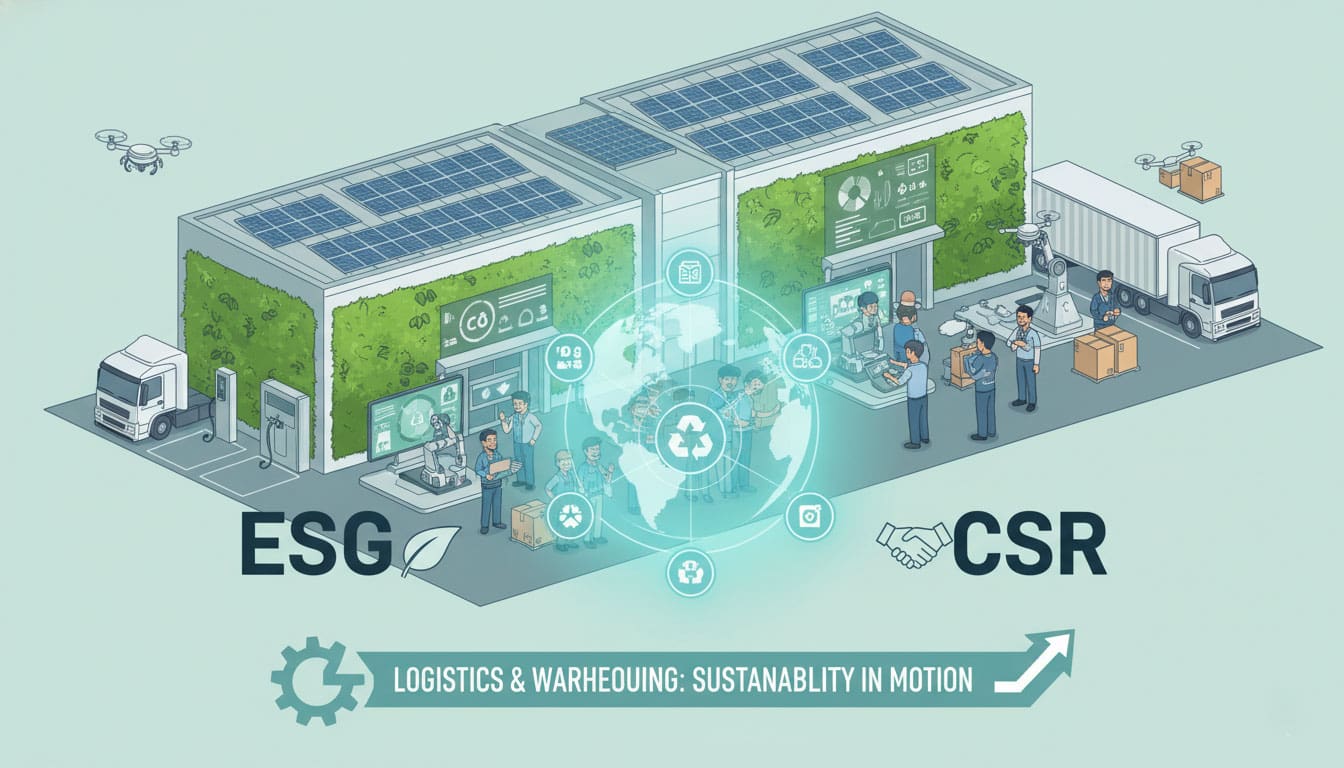
  • ESG & CSR in the Logistics and Warehousing Industry – Trends or Competitive Advantage?

    ESG & CSR in the Logistics and Warehousing Industry – Trends or Competitive Advantage?

    ESG and CSR in the logistics and warehousing industry are no longer merely formal activities but have become mandatory operational standards, especially for businesses serving B2B, FDI clients, and global supply chains. Adopting ESG helps logistics companies reduce energy costs, ensure legal compliance, enhance brand reputation, and increase their ability to secure long-term contracts with domestic and international partners.

    How do ESG and CSR differ in the logistics & warehousing industry?

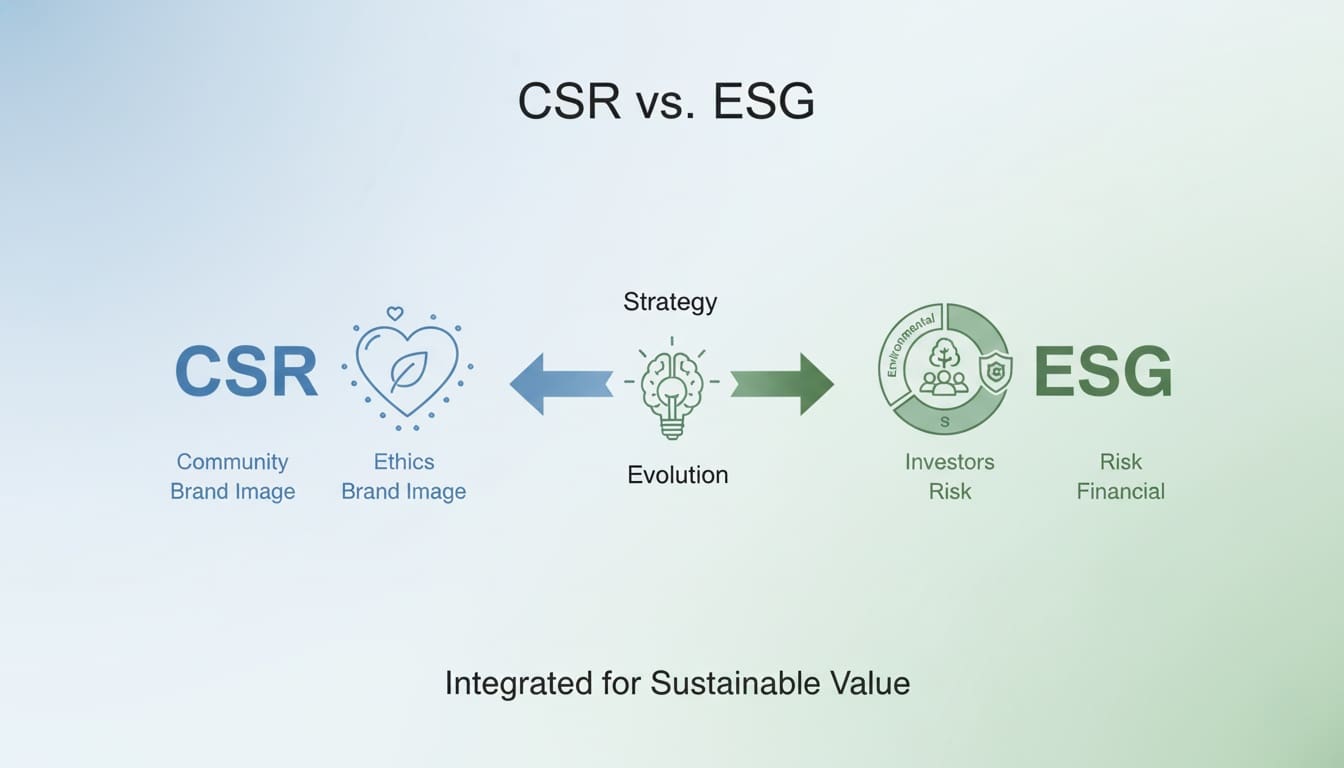
    ESG is a set of criteria measuring performance in Environmental, Social, and Governance aspects, acting as a quantitative “metric” that helps investors and partners assess a business’s sustainability. Meanwhile, CSR (Corporate Social Responsibility) leans towards ethical values and voluntary activities aimed at building brand image.

    In the logistics and warehousing industry, ESG is mandatory and measurable (e.g., carbon emissions per package), while CSR typically plays a supportive role in building corporate image and culture through community activities.

    1. Definition of ESG (Environmental – Social – Governance)

    ESG is a governance framework that helps logistics businesses operate sustainably through 3 pillars:

    • Environmental: Focuses on reducing the carbon footprint. Example: Using electric vehicles (EVs), installing rooftop solar panels on warehouses, optimizing routes to reduce fuel consumption.
    • Social: Focuses on relationships with people. Example: Ensuring occupational safety for warehouse staff, providing welfare benefits for long-haul drivers, diversifying the workforce.
    • Governance: Focuses on transparency and business ethics. Example: Publishing regular emissions reports, combating corruption in customs clearance processes, strictly complying with international laws.

    2. Definition of CSR

    CSR is a business model that helps companies be self-aware of their impact on society. These are “inspiring” activities that build trust.

    Example in Logistics: Granting scholarships to drivers’ children, providing free relief goods to disaster-stricken areas, or organizing a “Green Transport” day to raise community awareness.

    3. Comparison Table: ESG vs CSR in Warehouse & Logistics Operations

    Criteria CSR (Corporate Social Responsibility) ESG (Environmental – Social – Governance)
    Nature Voluntary, ethical. Mandatory (by regulation/partner requirements).
    Measurement Difficult to quantify, often told through stories/images. Quantified by metrics (KPIs, sensor data, financial reports).
    Target Audience Community, employees, customers. Investors, regulatory bodies, supply chain partners.
    In Logistics Donating ambulances, planting trees at warehouses. Transitioning to LEED-certified warehouses, measuring CO2 emissions per km.
    Vision Building brand reputation and trust. Ensuring competitiveness and survival in the green supply chain.

    4. Why is ESG “replacing” traditional CSR?

    By 2026, CSR alone will no longer be sufficient to vouch for a reputable logistics company. ESG is becoming a top priority because:

    • International market requirements: Partners in the EU or US now require transport companies to have ESG certifications to sign long-term contracts.
    • Financial pressure: Banks prioritize low-interest loans for warehousing businesses with good ESG scores (Green Finance).
    • Technological support: The explosion of AI and IoT allows for precise measurement of indicators (warehouse temperature, energy consumption), transforming the “vague” commitments of CSR into the “speaking numbers” of ESG.

    If CSR is a company’s “promise” for a better world, then ESG is the “proof” that the company is truly acting and operating effectively.

    Why Has ESG Become a Mandatory Standard in the Logistics & Warehousing Industry?

    The logistics and warehousing sector is currently one of the industries facing the most significant ESG pressure. This is because it acts as a massive energy consumer, generates high CO₂ emissions, and carries numerous potential occupational safety risks.

    Today, multinational corporations (MNCs), major investment funds, and FDI clients no longer view ESG as merely a “bonus point.” They consider it a prerequisite: failing to meet ESG standards means being unable to enter their supply chains.

    Looking ahead to 2026, if you operate a warehouse without an ESG report, you’re not just being “outdated”; you’re effectively closing the door on participating in the global marketplace.

    1. Pressure from FDI Clients & Global Supply Chains

    Giants like Apple, Samsung, and Nike have all committed to achieving Net Zero (zero net emissions). However, the majority of their emissions fall under Scope 3 (indirect emissions from their supply chains and transportation).

    • Chain Reaction: To achieve their green goals, these corporations are compelled to “push” their logistics service providers (3PL/4PL) towards greening their operations.
    • Green Certifications: If your warehouse doesn’t meet LEED standards or lacks a smart energy management system, you’ll be disqualified from the partner list right from the “get-go.”

    Differences Between CSR and ESG: Meaning, Roles & Application Methods

    2. Stringent Requirements from Banks and Investment Funds

    Capital flow into the logistics sector is currently shifting strongly towards Green Credit.

    • Preferential interest rates: Banks are willing to reduce loan interest rates for projects building smart warehouses and automated warehouses that utilize renewable energy.
    • Investment barriers: International venture capital funds and pension funds now have strict regulations: They only invest in companies with an ESG score of “Good” or higher to mitigate future legal and reputational risks.

    3. Legal Regulations & International Standards

    Vietnamese and international governments have shifted from “encouraging” to “mandating”:

    • Carbon Border Adjustment Mechanism (CBAM): Goods exported to the EU must report emissions during transportation and storage.
    • Net Zero 2050 Roadmap: In Vietnam, regulations on greenhouse gas inventory are gradually being applied to large logistics enterprises. Compliance is no longer an option, but a legal responsibility.

    4. ESG: The “Supplier Shortlist” Condition

    In warehouse service bidding sessions for 2026, the scoring criteria have completely changed:

    Traditional Criteria Modern ESG Criteria (Shortlist)
    Cheapest rental price Optimal cost coupled with an emission reduction roadmap
    Large warehouse area Energy efficiency per m²
    Convenient location Integration of EV charging stations & Rooftop solar power
    Long-standing experience Transparent reporting on employee safety and welfare

    ESG acts like a “passport.” You might have the most modern warehouse facilities, but if you cannot demonstrate sustainability, you will lose contracts to smaller but “greener” competitors.

    ESG in Warehouse Operations: What Should Businesses Do?

    ESG in warehousing focuses on three pillars: Minimizing energy consumption (Environmental), enhancing occupational safety (Social), and transparent operational processes (Governance).

    To begin, businesses should focus on practical solutions such as: Installing rooftop solar power, using motion-sensor LED lighting, tightening warehouse fire prevention and fighting procedures, and digitizing operational reports to ensure accuracy and transparency.

    1. E – Environmental: Greening Warehouse Infrastructure

    The Environmental pillar often yields the most direct financial benefits through operational cost savings.

    • Rooftop Solar Power: Utilize large roof areas to install solar panels. In Vietnam in 2026, this not only helps reduce electricity bills but may also allow for selling surplus electricity (depending on the mechanism) or earning carbon credits.
    • Energy-saving equipment: Replace 100% of lighting with motion-sensor LED lights (only illuminate when occupied). Use electric forklifts instead of diesel forklifts to reduce noise and emissions in enclosed warehouses.
    • Packaging Waste Management: Implement a “Circular Logistics” model, encouraging the use of recycled plastic pallets, containers, and bio-based PE shrink wrap.

    2. S – Social: Focus on People and Safety

    In warehousing, people are the most valuable asset. A positive working environment will reduce staff turnover and errors.

    • Workplace safety is paramount: Ensure full provision of Personal Protective Equipment (PPE) and conduct regular training sessions on forklift operation and goods arrangement. Install natural ventilation systems or smart cooling solutions to maintain a comfortable temperature for warehouse staff.
    • Standardized Fire Protection System: Invest in modern automatic fire alarm and suppression systems. This is a “make-or-break” standard for gaining trust from insurance companies and clients storing high-value goods.
    • Protecting Customer Assets: Utilize 24/7 AI-powered camera surveillance systems and biometric access control to ensure goods are not lost or damaged.

    3. G – Governance: Transparent and Standardized Management

    Effective governance helps businesses mitigate legal risks and build absolute trust with partners.

    • Standard Operating Procedures (SOPs): Every operation, from inbound receiving and packaging to outbound shipping, must follow clear procedures and be recorded in the Warehouse Management System (WMS).
    • Contract & Cost Transparency: Implement Blockchain technology or automated invoicing software so customers can track storage costs in real-time, with no hidden fees.
    • Internal ESG Audits and Reporting: Establish specific Key Performance Indicators (KPIs) (e.g., electricity consumption per m², number of workplace accidents per year) and publish these reports for stakeholders.

    Don’t try to do everything at once. Start by digitizing processes (G) to gather data, then optimize energy (E) to see immediate economic benefits, and finally, perfect the working environment (S).

    Hoạt động CSR cần thiết cho doanh nghiệp logistics

    ESG in Logistics, Transportation, and Supply Chains

    In transportation logistics, ESG focuses on optimizing resource efficiency (fuel, time), minimizing carbon footprints, and ensuring humane operations.

    Businesses that successfully implement ESG often integrate AI technology to manage fleets, calculate warehouse sizes, monitor real-time emissions, and build a strict safety culture to protect both drivers and goods.

    Practical Implementation Content:

    • Optimizing Transportation & Routes: Utilizing AI algorithms to plan deliveries, reduce deadhead miles, and optimize vehicle load capacity.
    • Reducing CO₂ Emissions: Gradually transitioning to electric vehicle (EV) fleets or using biofuels. Installing sensor systems to monitor fuel consumption per kilometer.
    • Traffic Safety & Human Well-being: Implementing journey monitoring systems and collision warning systems (ADAS) to protect drivers. Strictly regulating rest periods to prevent fatigue.
    • Tracking & Reporting Technology: Using digital platforms to automate the collection of emission data (Scope 1, 2, 3), making ESG reports transparent and ready for international audits.

    CSR in the Logistics & Warehousing Industry: What is its role?

    CSR still serves as the “soul” of a business, helping to build internal cohesion and trust with local communities.

    However, by 2026, CSR will no longer be about isolated charitable activities. It will only be truly effective when it acts as a “satellite” supporting the core ESG system, shifting from “giving what you have” to “being responsible for what you do.”

    Practical Implementation Content:

    • Internal CSR: Beyond just salaries and bonuses, this includes career development paths, digital skills training for warehouse staff so they aren’t replaced by robots. Providing mental health care for long-haul drivers.
    • Community CSR: Supporting local transportation infrastructure where warehouses are located, providing free transportation services for disaster relief or medical campaigns.
    • CSR vs ESG – Avoiding “Greenwashing”: Businesses need to avoid using small charitable activities (CSR) to mask environmental issues or poor governance (ESG). A tree-planting campaign becomes meaningless if the vehicle fleet still emits black smoke beyond regulated limits.

    Below is a comparison and combination table to give you an overall perspective for applying it to your business:

    Pillar ESG Factors (System & Standards) CSR Activities (People & Community) Value Delivered
    Environment (E) Investing in EVs, optimizing routes with AI, installing solar panels on warehouse roofs. Organizing “Green Transport” day, launching a plastic reduction movement in packaging. Reduced fuel costs, achieving international green certifications.
    Social (S) ISO-certified occupational safety systems, comprehensive professional insurance. Supporting education for employees’ children, emergency relief using the company’s transport network. Increased employee retention, building a reputable brand.
    Governance (G) Transparent supply chains with Blockchain, anti-corruption in customs clearance. Business ethics training, building a culture of integrity internally. Reduced legal risks, easier access to preferential loans.
    Measurement By specific data (Liters of fuel/km, tons of CO₂, accident rate). By employee satisfaction, feedback from the community and society. Sustainable development and long-term prosperity.

    Real Benefits for Logistics & Warehousing Businesses Adopting ESG

    Adopting ESG helps logistics businesses not only optimize profits by reducing operational costs but also opens up opportunities to win multi-million dollar contracts from multinational corporations.

    In reality, companies that meet ESG standards have a distinct advantage in accessing low-interest loans, securing favorable insurance rates, and becoming the top preferred partners for FDI clients seeking sustainable supply chains.

    1. Long-term Cost Savings

    ESG encourages businesses to find smarter ways of working, thereby cutting intangible waste:

    • Energy Optimization: Switching to sensor-controlled LED lighting systems and rooftop solar power can reduce monthly electricity costs by 20-40%.
    • Reduced Fuel Costs: Using AI to optimize transportation routes not only reduces emissions but also saves significant amounts of fuel and minimizes vehicle wear and tear.
    • Automation Systems: Reduces human errors, thereby lowering costs associated with handling returns or compensating for damages.

    2. Increased Likelihood of Winning B2B Tenders

    In 2026 tender processes, major corporations (such as Apple, Samsung, Unilever) often allocate 15-30% of the total score to sustainability criteria.

    • Making the Shortlist: Without a carbon emission report or a commitment to labor safety, your business might be eliminated immediately during the application stage.
    • Long-term Contracts: Partners prioritize long-term agreements with logistics service providers that have a clear ESG roadmap to ensure stability for their entire supply chain.

    3. Easier International Expansion and Access to Capital

    ESG is the common language of the global financial market:

    • Green Finance: Banks now offer preferential loan packages with interest rates 1-2% lower for businesses with green-certified warehousing/transportation projects.
    • Overcoming Legal Barriers: Meeting ESG standards helps businesses easily comply with stringent regulations when expanding into EU or US markets (such as the CBAM mechanism – carbon tax).

    4. Enhanced Business Value and Brand Reputation

    • Attracting Talent: Gen Z and Alpha generations prioritize working for companies with social responsibility and a safe, transparent work environment.
    • Risk Mitigation: A robust governance (G) process helps businesses avoid legal troubles, corruption, and media incidents, thereby maintaining stock value or company valuation.

    Many businesses worry about high initial ESG investment costs. However, considering current energy cost charts and stringent demands from FDI clients, not adopting ESG is, in fact, the most expensive “cost” a business will have to bear.

    ESG & Green Warehousing: The Future Trend in Vietnam and the Region

    Green warehousing and sustainable logistics are now the “dual standards” for Vietnamese businesses to retain foreign capital. Areas such as Ho Chi Minh City, Binh Duong, Long An, Dong Nai, and in the North, Hai Phong, Bac Ninh, are leading this race.

    In the near future, ESG will create a significant divide: on one side, leading businesses with smart, energy-efficient warehouse ecosystems; on the other, outdated traditional warehouses gradually being phased out of the global supply chain.

    1. “Greening” Warehousing Trends in Vietnam 2026

    The market is shifting from “storage warehouses” to “smart logistics centers” with the following characteristics:

    • Green Certification is Mandatory: Standards like LEED (US) or LOTUS (Vietnam) are becoming primary requirements in long-term warehouse lease contracts.
    • Rooftop Solar Power: Nearly 100% of new warehouses built from 2024-2025 will integrate solar power systems to self-supply operational energy and reduce Scope 2 emissions.
    • Digital Twin Technology: Helps simulate warehouse operations to optimize forklift travel distances, thereby reducing electricity consumption and increasing labor safety.

    2. Most Rapidly Developing Regions

    FDI capital flowing into Vietnam is prioritizing localities with synchronized green logistics infrastructure:

    Region Trend Characteristics Typical Centers
    Southern Vietnam Focus on green e-commerce warehouses, energy-efficient cold storage for agricultural exports. Binh Duong (Bau Bang), Long An (Can Giuoc), Ho Chi Minh City (Cu Chi).
    Northern Vietnam Warehouses serving electronic component and electric vehicle supply chains, with stringent governance (G) requirements. Hai Phong (Dinh Vu), Bac Ninh (Yen Phong), Quang Ninh.
    Central Vietnam Logistics warehouses serving green seaports and renewable energy. Da Nang (Lien Chieu), Binh Thuan.

    3. Role of Investors and Tenants

    This transformation doesn’t stem from mere voluntarism but from “pincer” pressure:

    • Investors: Investment funds like Warburg Pincus, GLP, or BW Industrial now only inject capital into green-certified projects to meet requirements from international financial institutions.
    • Tenants: “Giants” like Apple, Lego, or Samsung only lease warehouses from providers capable of reporting monthly emission metrics. If your warehouse isn’t “green,” you simply won’t have clients.
    • Government: Vietnam’s regulations on greenhouse gas inventory and carbon emission reduction roadmap are creating a legal framework that compels businesses to transform if they want to avoid environmental taxes/fees.

    Don’t wait until you’re “forced” to implement ESG. In Vietnam today, investing in green warehouses is like buying a business class ticket for the future: initial costs might be higher, but you’ll be “prioritized” to move faster and further in the global value chain.

    FAQ

    What is ESG in logistics?

    ESG in logistics is a framework used to measure the sustainability and ethical impact of transportation and supply chain companies across three pillars: Environmental, Social, and Governance. It quantifies sustainability performance beyond traditional financial metrics.

    How does ESG differ from CSR in the logistics industry?

    While CSR in the logistics industry often refers to voluntary philanthropic activities to build brand image, ESG is a mandatory, measurable framework (e.g., CO2 emission metrics) used for reporting to investors and partners.

    Why is green warehousing in Vietnam becoming a trend?

    Green warehousing in Vietnam is surging due to pressure from FDI corporations and the Government’s Net Zero 2050 commitment. These facilities help reduce energy costs, optimize operations, and serve as a prerequisite for international contracts.

    What are the benefits of sustainable logistics for businesses?

    Sustainable logistics helps businesses save fuel costs, enhance competitive positioning in B2B bidding, and gain easier access to “green credit” with preferential interest rates.

    What does ESG warehousing focus on?

    ESG warehousing focuses on installing rooftop solar panels, using energy-efficient automation (E), ensuring occupational safety (S), and transparentizing management data via WMS software (G).

    What are common certifications for green warehouses?

    In Vietnam, the two most popular certifications for green warehouses are LEED (USA) and LOTUS (Vietnam). These standards strictly evaluate energy, water efficiency, and construction materials.

    Can SMEs implement ESG in logistics?

    Absolutely. Small businesses can start by optimizing routes to reduce fuel, using recycled packaging, and digitizing documents to reduce paper waste—fundamental yet effective steps of ESG in logistics.

    What is Scope 3 in sustainable logistics?

    Scope 3 refers to indirect emissions occurring in a company’s value chain, including outsourced transportation. It is the most challenging to control but often represents the largest portion of a sustainable logistics strategy.

    How to reduce the carbon footprint in warehousing?

    Businesses can upgrade to sensor-based LED lighting, use electric forklifts, and utilize natural ventilation. These are key solutions for realizing the green warehousing Vietnam model.

    How does ESG affect fundraising for logistics firms?

    Investors now prioritize funding companies with strong ESG warehousing metrics to mitigate risk. A transparent ESG profile helps businesses enhance their valuation and credibility in the financial market.
  • Differences Between CSR and ESG: Meaning, Roles & Application Methods

    Differences Between CSR and ESG: Meaning, Roles & Application Methods

    Join Mystorage to explore the differences between CSR and ESG, the meaning of each concept, and how businesses apply them to enhance reputation, ensure compliance, and achieve sustainable development.

    What are CSR and ESG?

    CSR (Corporate Social Responsibility)

    CSR is a business’s commitment to operating ethically and responsibly towards society and the environment. It goes beyond legal obligations, demonstrating a company’s contribution to sustainable development, improving the quality of life for communities and employees, while also protecting the environment.

    Role in Modern Management: CSR helps businesses build a positive image, strengthen customer trust, attract and retain talent, and manage risks more effectively. It is often considered a part of marketing and branding strategies, being voluntary and stemming from a company’s core values.

    ESG – A set of Environmental, Social, and Governance criteria

    ESG is a framework of criteria used to evaluate a company’s performance based on three key factors:

    • Environmental: Relates to a company’s impact on the natural environment (e.g., greenhouse gas emissions, waste management, use of renewable energy, resource conservation).
    • Social: Relates to a company’s relationships with its employees, suppliers, customers, and communities (e.g., labor conditions, diversity and inclusion, data privacy, product responsibility).
    • Governance: Relates to how a company is managed and operated (e.g., board structure, executive compensation, business ethics, financial transparency, shareholder rights).

    Role in Modern Management: ESG is increasingly becoming a quantitative tool used by investors to assess a company’s sustainability risks and opportunities. It’s not just about “doing the right thing” but also about “doing good business” by mitigating risks, improving operational efficiency, and creating long-term value for shareholders.

    Key Differences:

    • CSR is generally broader, qualitative, and voluntary, focusing on a company’s contributions to society.
    • ESG is more quantitative, measurable, and used by investors for decision-making, focusing on financial risks and opportunities related to sustainability.

    Bảng so sánh khác biệt giữa CSR và ESG

    Origins & Context of CSR and ESG Development

    History of CSR Development (1950s – 2000s)

    The concept of CSR is not new. It has developed and evolved through several stages:

    • The 1950s: The concept of “Social Responsibilities of the Businessman” was introduced by Howard R. Bowen in his book “Social Responsibilities of the Businessman” (1953), laying the groundwork for modern CSR. At this time, CSR primarily revolved around individual business ethics and philanthropy.
    • The 1960s – 1970s: Awareness of the social role of businesses began to broaden, extending beyond mere profit. Social movements (civil rights, environmentalism) prompted businesses to pay attention to their impacts. Scholars like Archie Carroll developed the CSR Pyramid model, classifying economic, legal, ethical, and philanthropic responsibilities.
    • The 1980s – 1990s: CSR began to be more integrated into business strategy. Companies realized that responsible conduct could yield competitive advantages. Concepts like “stakeholder theory” emphasized that businesses have responsibilities to a broader range of parties than just shareholders.
    • The 2000s to Present: CSR became more widespread and increasingly regarded as an indispensable part of corporate management. Sustainability reports and international standards (such as GRI – Global Reporting Initiative) emerged, assisting businesses in disclosing information about their CSR performance.

    ESG Emerged from Investors’ Demands for Risk Assessment (from 2004 – United Nations)

    • Early 2000s: Investors began to recognize that environmental, social, and governance (ESG) factors could significantly impact a company’s financial performance and long-term value. Financial scandals, environmental issues, and labor conditions highlighted the importance of assessing these non-financial risks.
    • 2004: The term ESG was first introduced in a landmark report titled “Who Cares Wins,” produced by the United Nations Environment Programme Finance Initiative (UNEP FI) in collaboration with leading financial institutions worldwide. This report demonstrated that integrating ESG factors into financial market analysis was financially material.
    • 2006: The Principles for Responsible Investment (PRI) initiative was launched by the United Nations. PRI provides a framework for investors to integrate ESG issues into their investment and ownership decisions. This marked a major turning point, as ESG transitioned from an ethical concept to a practical investment criterion.

    Khác biệt giữa CSR và ESG như thế nào: Ý nghĩa, vai trò & cách áp dụng

    Why ESG Has Become a Mandatory Assessment Standard in Many Markets

    ESG has become a mandatory assessment standard in many markets due to several combined factors:

    Investor Demand

    An increasing number of investors, particularly pension funds and large investment firms, seek to invest in responsible and sustainable companies. They recognize that companies with strong ESG performance tend to be more stable, carry less risk, and have the potential for long-term growth.

    Risk Management

    ESG factors help identify and manage significant risks that traditional CSR may overlook, such as climate risks, supply chain risks, and reputational risks resulting from labor ethics violations or poor governance.

    Legal and Regulatory Pressure

    Many governments and regulatory bodies worldwide have begun enacting regulations that require companies to disclose ESG information. This aims to enhance transparency, encourage sustainable behavior, and protect investors.

    For example, the European Union has stringent regulations regarding sustainability reporting (CSRD – Corporate Sustainability Reporting Directive).

    Green and Sustainable Growth

    Global awareness of climate change and social issues has driven governments and the public to demand that businesses contribute to sustainable development goals. ESG provides a framework for measuring and tracking these contributions.

    Market Competition

    Companies with strong ESG performance often enjoy a competitive advantage, attracting customers, partners, and talent, while also more easily accessing capital.

    While CSR is part of a voluntary and ethical strategy, ESG has evolved into a quantitative measurement system driven by the demands of the financial market and regulatory requirements, becoming a key factor in assessing a company’s value and risk in the modern era.

    Quick Comparison Table: CSR vs. ESG

    To summarize the main differences and facilitate understanding, here’s a concise comparison table between CSR and ESG:

    Criteria CSR (Corporate Social Responsibility) ESG (Environmental – Social – Governance)
    Objective Voluntary spirit, ethical responsibility, brand image enhancement. Quantitative criteria assessing investment risks and opportunities for sustainable value creation.
    Nature Qualitative, focused on ethics and social responsibility. Quantitative, centered around financial effectiveness and risk.
    Measurement Hard to quantify, based on specific activities and perceptions. Clear indicators and standards, specific measurable data, ranked.
    Stakeholders Public, customers, employees, community, management. Investors, financial institutions, regulatory bodies, management.
    Mandatoriness Voluntary, highly flexible. Increasingly mandatory in many markets, related to regulations and audits.
    Typical Examples

    – Charitable donation programs

    – Employee volunteer days

    – Reducing internal waste

    – Superior employee benefits

    – Annual carbon emissions reporting

    – Percentage of women on the board

    – Occupational safety metrics

    – Customer data privacy policies

    – Supply chain risk assessment

    This comparison highlights how ESG has emerged as a more structured framework driven by market needs, while CSR encompasses broader ethical initiatives.

    Real-World Examples of CSR and ESG Implementation

    Major corporations around the world and in Vietnam have been applying both CSR and ESG in their unique ways, trending towards a shift from traditional CSR to a deeper integration of ESG.

    Unilever (Multinational Corporation)

    • Previously (Notable for CSR): Unilever was a pioneer in CSR with its “Unilever Sustainable Living Plan” (USLP) launched in 2010. This plan set ambitious goals for reducing environmental impact (such as lowering emissions and water consumption), improving health and living conditions for billions, and enhancing livelihoods. It exemplifies how a corporation integrates CSR into its core business strategy, not just as a charitable activity, but also in product development and supply chains.

    Currently (Shifting to ESG):

    With the rise of sustainable finance, Unilever places increasing emphasis on its ESG performance. They provide detailed disclosures on ESG metrics related to emissions, water management, diversity and inclusion (D&I) in the workforce, transparent governance, and compliance with international standards. Investors now examine these ESG metrics to assess risk and growth potential for Unilever.

    Samsung (South Korean Technology Corporation)

    • Previously (Notable for CSR): Samsung has implemented numerous global CSR programs focused on education, community support, and environmental protection. For example, the “Samsung Solve for Tomorrow” program encourages youth to tackle social issues using technology, alongside initiatives for recycling old electronic devices.

    Currently (Shifting to ESG):

    Samsung now places a significant focus on ESG, particularly aiming for carbon neutrality by 2050 and using 100% renewable energy for all global operations. They are also enhancing transparency in their supply chain, improving working conditions, and strengthening corporate governance due to pressure from investors, consumers, and international regulations that demand greater responsibility from major tech companies.

    Vinamilk (Leading Vietnamese Enterprise)

    • Previously (Notable for CSR): Vinamilk has engaged in various CSR activities tied to the community and Vietnamese children, such as the “Vietnam Rising Milk Fund,” programs supporting nutrition for impoverished children, and school construction. The company emphasizes sustainable dairy farming and environmental protection on its farms.

    Currently (Shifting to ESG):

    Vinamilk is progressively transitioning to integrate ESG frameworks. The company has developed sustainability reports according to international standards (GRI), setting specific targets for reducing greenhouse gas emissions, utilizing renewable energy, managing waste and water, while also enhancing animal welfare standards and sustainable supply chains. This move helps Vinamilk attract international investment funds interested in ESG, enhancing its position in global markets.

    Why Are They Shifting from CSR to ESG?

    Major corporations are transitioning from CSR to ESG for several key reasons:

    1. Investor Pressure :An increasing number of institutional investors (pension funds, large investment funds) and ESG-specific funds demand companies demonstrate strong ESG performance before investing. They view ESG as essential for evaluating long-term risks and opportunities.
    2. Market and Regulatory Requirements: Many developed markets are beginning to implement mandatory regulations regarding ESG disclosures. To maintain competitiveness and access to markets, companies must comply.
    3. More Effective Risk Management: ESG provides a rigorous framework to identify, assess, and manage non-financial risks (climate change, resource shortages, labor issues, reputational risks) that can severely impact company value.
    4. Operational Efficiency Optimization: Investing in ESG initiatives (such as renewable energy and waste management) can lead to reduced operational costs, increased resource efficiency, and improved profitability.
    5. Talent Attraction and Retention: Younger generations increasingly prioritize companies that are socially and environmentally responsible. Strong ESG performance helps attract and retain talent.
    6. Enhanced Access to Capital: Financial institutions and banks are increasingly prioritizing lending or offering green financial products to businesses with high ESG ratings.

    Lessons for Vietnamese Businesses

    • Understand the Differences and Roles: Vietnamese businesses need to recognize that CSR and ESG are not the same. CSR represents the ethical foundation, while ESG serves as a framework for financial measurement and risk management.
    • Start with CSR but Aim for ESG: Small and medium-sized enterprises (SMEs) can begin with straightforward CSR activities aligned with core values. However, they should have a roadmap to gradually build ESG capabilities, especially if they plan to seek funding, expand markets, or participate in global supply chains.
    • Integrate ESG into Business Strategy: ESG should not just be a report but must be integrated into the company’s strategy, operations, and governance. This includes establishing specific ESG objectives, collecting data, measuring, and reporting transparently.
    • Focus on Training and Capacity Building: Investing in employee training on ESG, building dedicated teams, and seeking expert consulting when necessary will ensure effective ESG implementation.
    • Enhance Transparency and Reporting: Although not yet mandatory, proactively reporting ESG metrics according to international standards will help Vietnamese companies build trust with investors, partners, and customers.
    • Identify Opportunities from ESG: ESG presents not only risks but also opportunities to innovate products, services, and processes, thereby creating competitive advantages and new value.

    Should Companies Choose CSR or ESG? (Combine Based on Goals)

    Rather than choosing between CSR and ESG, the most effective approach for businesses today is to combine both, based on their goals and development stage. CSR and ESG are not mutually exclusive; they complement each other, creating a comprehensive sustainable development strategy.

    • If the goal is to build brand and reputation → prioritize CSR:
      If a company primarily aims to create a positive image in the eyes of the public, enhance customer and employee loyalty, and demonstrate ethical commitment, focusing on traditional CSR initiatives will be highly effective.

      CSR activities help forge good relationships with the community, create a positive work environment, and enhance the emotional value of the brand.

      Example: A dairy company might prioritize nutrition support programs for impoverished children, which is a strong CSR action that builds a brand “for the community.”

    • If aiming to attract investment, manage risks, and ensure long-term growth → prioritize ESG:
      If a company is seeking capital from institutional investors, wants to minimize operational and financial risks, or plans to expand into international markets, then focusing on ESG criteria is crucial.

      Strong ESG performance helps companies demonstrate sustainable management capabilities, attract green investment funds, reduce capital costs, and comply with increasingly stringent regulations.

      Example: An energy company needs to be transparent about its carbon emissions, invest in renewable energy, and have a clear governance structure to attract investors interested in “clean energy.”

    Recommendations: Combine Both Based on Industry and Strategy

    In practice, businesses should view both CSR and ESG as two sides of the same coin in a sustainable development strategy:

    1. CSR as the Ethical and Cultural Foundation: Begin by defining core values and the ethical and social responsibilities that the business wishes to uphold. This creates a solid cultural foundation for sustainability activities.

    2. ESG as a Measurement and Management Tool: Once the CSR foundation is established, use the ESG framework to systematize, measure, and report sustainable efforts. ESG translates the good intentions of CSR into measurable, manageable, and financially valuable actions.

    For industries with significant environmental impacts (e.g., manufacturing, energy, mining), prioritizing the E (Environmental) and S (Social) aspects of ESG is crucial for managing risks and ensuring compliance. At the same time, CSR must be maintained to build trust with local communities and consumers.

    For service sectors or tech companies, the S (Social) factor (e.g., employee welfare, data security) and G (Governance) factor (e.g., business ethics, transparency) in ESG may take precedence. CSR remains essential in building company culture and attracting talent.

    For publicly traded companies or those planning significant capital investments, establishing a robust ESG reporting system is mandatory to meet investor and market demands.

    Both CSR and ESG play vital roles in sustainable development strategies but differ in objectives, measurement methods, and levels of commitment. Understanding these distinctions helps businesses choose suitable models to optimize brand reputation and investment attractiveness. In an increasingly transparency-demanding market, combining CSR with ESG is not just a trend but a long-term competitive advantage.

    Currently, Mystorage is implementing various CSR and ESG activities, notably a donation box for clothes and goods located at 375 Vo Nguyen Giap, District 2. If you have clothes, shoes, or used items to donate, please bring them here!

  • Understanding CSR – Role and Benefits for Businesses

    Understanding CSR – Role and Benefits for Businesses

    In the context of increasing demands for transparency, sustainable development, and international standards, Corporate Social Responsibility (CSR) has become a crucial factor for companies looking to enhance their reputation and competitiveness. However, effectively implementing CSR goes beyond mere charitable activities; it requires a systematic and measurable approach. The following article guides businesses through the steps to implement CSR in a standardized manner that delivers real value.

    What is CSR?

    CSR (Corporate Social Responsibility) refers to a company’s commitment to operate in an ethical, transparent manner that is responsible toward the environment, society, and all stakeholders involved.

    In other words, CSR is not merely about philanthropic activities; it is a way for companies to create sustainable value for the community and themselves.

    History and Development of CSR

    • 1950s-1960s: CSR was first introduced in academic discussions, emphasizing business ethics.
    • 1970s-1980s: The concept of CSR expanded to encompass responsibilities towards the community, employees, and the environment.
    • 1990s: Globalization and environmental issues propelled CSR to become a critical requirement for multinational enterprises.
    • 2000 to Present: CSR has evolved into an operational standard closely linked with sustainability reporting, transparent governance, and responsible supply chains.

    Differences Between CSR, ESG, and Sustainability

    CSR (Corporate Social Responsibility)

    • Nature of Activities: Generally voluntary social responsibility efforts.
    • Focus: Centered on voluntary social responsibility activities.
    • Goals: To reflect ethical standards and contribute to community welfare.
    • Examples: Educational sponsorship, community activities, afforestation, improving workplace environments.

    ESG (Environmental – Social – Governance)

    • Measurement Standard: A set of criteria for measurement and reporting aimed at investors.
    • Focus: Criteria for evaluating companies on environmental performance, social impacts, and governance practices.
    • Goals: To assess risks, attract investments, and elevate operational standards.
    • Examples: Carbon footprint analysis, labor safety, governance transparency, and legal compliance.

    Sustainability

    • Strategic Focus: Long-term sustainable development strategies.
    • Focus: Integrates economic development, environmental protection, and social benefits into long-term plans.
    • Goals: To optimize long-term value while minimizing negative impacts on future generations.
    • Examples: Energy optimization, implementing circular economy models, and developing green supply chains.

    By understanding and implementing CSR effectively, businesses can not only enhance their societal contributions but also promote a sustainable and ethical business environment.

    Hoạt động CSR cần thiết cho doanh nghiệp

    Internationally Recognized CSR Standards and Reporting Frameworks

    1. ISO 26000 – Guidance on Social Responsibility

    ISO 26000 is an international standard that provides a comprehensive framework for social responsibility for businesses. This standard focuses on seven pillars: governance, human rights, labor practices, the environment, fair operating practices, consumer issues, and community development. Although it is not certification-based, ISO 26000 helps organizations develop structured, transparent CSR strategies in line with international standards.

    2. GRI Standards – International Sustainable Reporting Standards

    The GRI (Global Reporting Initiative) Standards are the most widely used sustainability reporting standards globally, employed to measure and disclose the economic, environmental, and social impacts of businesses. The GRI Standards help companies:

    • Enhance transparency,
    • Enable comparison with other organizations,
    • Meet market and investor information disclosure requirements.

    3. SA8000 – Labor Social Responsibility Standard

    SA8000 focuses on labor conditions and encompasses human rights, child labor prohibition, occupational safety, working hours, wages, and freedom of association. Many manufacturing, apparel, and supply chain companies utilize SA8000 to demonstrate compliance with ethical labor practices.

    4. UN SDGs – 17 Sustainable Development Goals

    The United Nations Sustainable Development Goals (SDGs) serve as a global framework guiding organizations towards achieving objectives by 2030. Businesses use the SDGs to:

    • Align CSR with broader social and environmental goals,
    • Identify strategic priorities,
    • Create sustainability reports using a universally recognized language.

    Prominent SDGs often adopted by companies include clean energy, climate action, sustainable consumption, gender equality, and decent work and economic growth.

    5. ESG Reporting – Increasing Demand from Investors

    In addition to traditional CSR, businesses today are expected to publish ESG reports to meet demands from:

    • Investors,
    • International partners,
    • Credit institutions and funds,
    • Market regulatory bodies.

    ESG reporting emphasizes quantitative data such as carbon emissions, energy consumption, gender diversity, governance accountability, human resource policies, and operational risks. This framework enables companies to demonstrate transparency and long-term sustainability capability.

    Practical Benefits of CSR for Businesses

    Implementing CSR is not merely a community responsibility activity but increasingly serves as a vital business strategy that enhances competitive capability in the globalization context. As standards for sustainable development gain greater attention, CSR offers significant benefits in brand reputation, human resources, governance, and supply chains.

    1. Enhanced Brand Reputation and Customer Trust

    Companies that invest in CSR often receive positive evaluations from consumers, especially in highly competitive sectors. Today’s customers prefer to choose brands that are environmentally and socially responsible.

    • Increases brand recognition.
    • Improves the company’s image in the community.
    • Builds long-term customer loyalty.

    2. Attracting Quality Talent and Increasing Internal Cohesion

    CSR creates a meaningful work environment, making organizations more appealing to potential employees and helping retain top talent.

    • Increases employee satisfaction and engagement.
    • Attracts young candidates who value sustainability.
    • Improves corporate culture through social responsibility activities.

    3. Reduced Operational, Governance, and Legal Risks

    By adhering to CSR standards, businesses minimize the risk of penalties, lawsuits, or operational disruptions due to environmental or labor issues.

    • Ensures compliance with legal regulations and international requirements.
    • Mitigates the risk of disruptions in production and supply.
    • Enhances transparency and standards in governance.

    4. Increased Competitiveness in Global Supply Chains

    For export-oriented companies or those participating in the supply chains of large corporations, CSR has become a mandatory standard. Strong implementation helps businesses better withstand the stringent demands from partners.

    • Easily meet assessment criteria from international corporations.
    • Increase opportunities for long-term contracts and market expansion.
    • Enhance company value in the eyes of investors.

    By integrating CSR practices, businesses not only fulfill their societal obligations but also foster a resilient and competitive economic environment.

    CSR đóng vai trò quan trọng cho sự phát triển của xã hội

    How Do Businesses Implement CSR?

    To ensure that CSR delivers real value to a business—rather than being merely a formal exercise—companies must implement it according to a structured process aligned with strategic objectives and international standards such as GRI or UN SDGs. Below is a comprehensive guide from initiation through measurement, reporting, and communication of CSR activities.

    1. Define CSR Objectives Relevant to the Industry

    Businesses need to clearly identify the social and environmental issues they are facing to focus their CSR initiatives effectively, such as:

    • Manufacturing Companies: Emissions, energy usage, waste management.
    • Service Companies: Data security, customer experience.
    • Logistics/Warehousing Firms: Carbon emissions, labor safety.

    2. Analyze Environmental, Social, and Governance Impacts

    This step is crucial for understanding which factors most significantly affect operations and stakeholders.

    • Conduct an environmental risk assessment (E).
    • Assess risks related to personnel and community (S).
    • Review governance processes for transparency (G).
    • Consider international customer requirements.

    3. Develop a Plan and KPIs for Each CSR Project

    An effective CSR plan should include:

    • Measurable Objectives: Specific metrics that can be evaluated.
    • Clear KPIs: Examples include percentage reduction in emissions, training hours for employees, and the number of community activities.
    • Budget Projections, Timelines, and Responsible Personnel.
    • Coordination Mechanism: Between Marketing, HR, and Sustainability departments.

    4. Implement and Measure CSR Effectiveness

    Once the plan is set, businesses proceed with execution and monitoring:

    • Collect data through a regular system.
    • Compare results against KPIs and industry benchmarks.
    • Adjust programs if objectives are not met.

    5. Establish a CSR Reporting System According to International Standards (GRI, UN SDGs)

    Creating reports helps ensure transparency with customers, partners, and investors.

    • Apply GRI Standards (Global Reporting Initiative) to standardize reporting metrics.
    • Link CSR objectives with the 17 UN SDGs. Examples include:
      • SDG 7: Clean Energy
      • SDG 8: Decent Work
      • SDG 12: Sustainable Consumption and Production
    • Publish annual reports on the website or via a Sustainability Report.

    6. Integrate CSR into the Sustainable Development Strategy

    CSR should not be a standalone activity but rather part of the overarching strategy:

    • Align CSR with ESG and a 3–5 year sustainable development strategy.
    • Incorporate CSR into the KPIs for leadership and departments.
    • Foster an internal culture aimed at sustainable development.

    7. Communicate CSR Effectively

    Communication helps CSR generate brand value rather than existing solely internally.

    Principles of CSR Communication:

    • Transparency and Honesty: Avoid “greenwashing.”
    • Specific Metrics: For instance, “a 20% reduction in plastic waste within 12 months.”
    • Multi-Channel Approach: Use PR, websites, social media, and video recaps.

    Example Case Studies:

    • Vinamilk: The “One Million Green Trees” initiative aligned with SDG 13 – Climate Action.
    • IKEA: Using 100% renewable energy in operations.
    • Unilever: Reducing CO₂ emissions by 52% in its supply chain.

    CSR is not just a responsibility; it is also an opportunity for businesses to build sustainable brands, attract talent, and enhance competitive capabilities. With a clear process—from goal definition to impact measurement and international reporting—companies can create long-term value for both their internal stakeholders and the community. Implementing CSR correctly today lays the foundation for sustainable business growth in the future.

    Currently, Mystorage is engaged in CSR activities, notably establishing a charity box for clothing and used goods collection at 375 Võ Nguyên Giáp, District 2.