Blog

  • Latest Warehouse Rental in Tan Phu District by Price List 2026

    Latest Warehouse Rental in Tan Phu District by Price List 2026

    Warehouse rental prices in Tan Phu District currently average from 150,000 VND to 250,000 VND/m² (depending on area and type of warehouse). For mini warehouses or self-managed warehouses at MyStorage, prices can be calculated per m³ or flexible packages starting from just a few hundred thousand VND per month. Tan Phu District is a strategic choice due to its location bordering Tan Binh and Binh Tan Districts and its proximity to Tan Son Nhat Airport, optimizing transportation costs for e-commerce businesses and individuals.

    The combination of a dense population, vibrant business activities, and a convenient gateway location has continuously boosted the demand for warehouse rental in Tan Phu District, making it an ideal choice for families, individuals, and small businesses in Ho Chi Minh City seeking storage solutions.

    Demand for Storage Warehouse Rentals in Tan Phu District

    In recent years, Tan Phu District (HCMC) has seen a sharp increase in demand for personal and business storage warehouse rentals. Several factors have made this area a “hotspot” for warehousing services:

    • Dense, high-density population: Tan Phu is one of the most populous districts in HCMC, with over 485,000 residents (according to 2023 statistics). The population primarily consists of young families, migrant workers, and students – groups who often live in small to medium-sized apartments with limited storage space, leading to a significant need for storing household items, luggage, seasonal goods, and more.
    • Growth of numerous small businesses and online shops: Tan Phu boasts thousands of small businesses, online shops, and individual business households. The need for flexible, cost-effective e-commerce inventory storage (especially during peak seasons like holidays, Tet, and sales periods) is a driving force behind the strong development of mini-storage and self-storage services.
    • Geographical advantage: Tan Phu District is adjacent to key districts such as Tan Binh and Binh Tan, offering convenient connections to major roads, proximity to Tan Son Nhat Airport, and national highways leading to the Mekong Delta and Eastern provinces. This facilitates easy and cost-effective transportation and circulation of goods and luggage between Tan Phu and other areas.

    Benefits of Renting a Storage Warehouse in Tan Phu District

    Renting warehouse space in Tan Phu offers transportation advantages thanks to major roads like Luu Ban Bich, Au Co, and Hoa Binh, which are not subject to the strict weight restrictions of the city center. Modern warehouses here typically integrate standard fire protection systems, 24/7 security cameras, loading and unloading services, and software-based inventory management, suitable for both short-term and long-term goods storage.

    Convenience in Storage

    • Optimizing living space: With a dense population and many small to medium-sized apartments (according to 2023 statistics, over 60% of new apartments in Tan Phu are under 70m²), the need to free up living space is immense. Renting external storage helps families organize belongings neatly, avoid wasted space, and keep homes airy.
    • Solution for shops, business households, and e-commerce: Tan Phu has over 4,000 individual business households and thousands of online shops (according to district data from 2023). Many shop owners share that renting mini-warehouses allows them flexible inventory management, reducing the pressure of renting large premises, especially during peak seasons or flash sales.
    • Storing records, invoices, and documents: Small businesses, shops, and individuals can safely preserve important documents, invoices, and papers, preventing loss or mold due to limited ventilation in residential spaces.

    Safety – Easy Management

    • 24/7 guarded warehouses, CCTV surveillance: 100% of professional storage warehouses in Tan Phu are equipped with CCTV surveillance systems and continuous security guards, ensuring customers’ peace of mind regarding their assets. According to a MyStorage survey, 97% of customers rated security as “very important” when choosing a storage service.
    • PIN/card access control: Modern access control systems only allow authorized personnel entry, reducing the risk of loss or unauthorized intrusion. Internal statistics at MyStorage show no theft incidents throughout 3 years of operation.
    • Standardized fire prevention and fighting: All warehouses fully meet fire prevention and fighting standards with alarm systems, fire extinguishers, and quarterly inspections. This is particularly crucial when storing documents and flammable goods.

    Báo giá cho thuê kho quận Tân Phú mới nhất 2025

    Flexible Space & Cost

    • Variety of Sizes Available: Customers can choose storage units from 1m² (for personal items, luggage storage, documents) up to 10m², 20m², or even 50m² (ideal for shops and small businesses). According to MyStorage data, approximately 63% of customers opt for units between 3–10m², while 25% choose units under 3m² for basic storage needs.
    • Short-term or Long-term Rental: Our service offers flexibility, with no mandatory long-term contracts. You can rent from 1 month up to 1 year, adjusting the space as needed to expand or downsize your unit.
    • Perfect for Individuals & Businesses: Whether you’re a small family, an individual traveling long-term, an online shop, or a business needing inventory storage, we have cost-effective storage solutions starting from just 350,000 VND/month (based on actual prices in 2024).

    Summary of Popular Storage Types and Rental Costs in Tan Phu District

    There are 3 common types of storage in Tan Phu: (1) Shared warehouse/Large area warehouse for manufacturing businesses; (2) Mini warehouse/Self-storage for households or online shops; (3) Cold storage for food and cosmetics. Depending on the need to store temperature-sensitive goods or regular goods, customers can choose the corresponding service package to save costs.

    Storage Type Common Size Estimated Price/Month Usage Characteristics Target Users/Suitable For What to Store Factors Affecting Price
    Mini Storage 1–5 m² 350,000 – 1,200,000 VND Small, private space, easy access Households, individuals Suitcases, small furniture, clothes, seasonal items Size, location, rental duration, additional services
    Self-Storage 5–20 m² 1,500,000 – 4,000,000 VND Self-access, flexible, good security Families, small online shops, startups Household goods, e-commerce inventory, cosmetics, accessories Size, location, insurance, transportation
    Document Storage 2–10 m² 800,000 – 2,000,000 VND Document shelving, temperature control, secure records Businesses, offices Files, documents, accounting records, contracts Rental duration, preservation services, insurance
    Commercial Storage 10–20 m² 2,800,000 – 6,000,000 VND Convenient for import/export, lifting support, suitable for medium-volume goods Online shops, distribution agents E-commerce goods, inventory, cosmetics, fashion Size, location, lifting support, insurance
    Container/Small Warehouse 15–50 m²+ 4,500,000 – 12,000,000 VND Stores large quantities of goods, convenient for transport and loading/unloading Large shops, businesses, project storage Inventory, equipment, machinery Size, location, transportation services, rental duration
    Cold/Chilled Storage 5–30 m² 2,500,000 – 9,000,000 VND Temperature control, preserves perishable goods F&B businesses, cosmetic shops, food suppliers Cosmetics, food, pharmaceuticals, temperature-sensitive goods Storage type, required temperature, size, insurance services

    Estimated prices updated for 2025, subject to change depending on location, accompanying services, and rental period. Factors affecting price: storage unit size, rental duration, storage location (central or suburban), accompanying services (insurance, transportation, carton boxes, lifting support, air conditioning…). For special requirements or large areas (business storage, cold storage…), customers should contact us directly for an accurate quote.

    In Tan Phu district, customers can easily choose a storage type that suits their needs, from families and online shops to businesses, with competitive prices and specialized amenities for various types of goods.

    Criteria for Choosing a Reputable Warehouse Rental Service in Tan Phu District

    When searching for a warehouse to rent in Tan Phu District, the first factor to consider is location. An ideal warehouse should be situated near the district’s main roads, facilitating easy goods delivery and reception, saving transportation costs, and reducing travel time.

    Key roads to prioritize include Luy Ban Bich, Hoa Binh, Tan Ky Tan Quy, Thong Nhat, Trinh Dinh Trong, or Go Dau. Warehouses near these routes are typically easily accessible, suitable for trucks, and perfect for both individuals and online businesses.

    Beyond location, you can assess warehouse quality based on the following criteria:

    • 24/7 Cameras & Security: Ensuring continuous security, monitoring the entire warehouse area, and controlling access.
    • Humidity Control – Anti-mold: Crucial for storing documents, clothing, fashion items, cosmetics, or electronics.
    • Transparent Access Procedures: Using personal PINs or magnetic cards allows you to securely manage your storage, ensuring no one else has access.
    • Clean, Dry Warehouse: Regularly cleaned, free from rodents and insects, with elevated and well-ventilated flooring for long-term goods protection.
    • Logistics and Storage Material Support: Such as providing cardboard boxes, trolleys, and loading/unloading assistance, making moving goods into storage quick and convenient.

    When a warehouse meets these criteria, especially a convenient location in Tan Phu, you’ll significantly save time and costs, ensuring your assets are always optimally preserved.

    Reputable Warehouse Rental Providers Near Tan Phu

    • MyStorage: A pioneering provider of self-storage / mini-storage services in Ho Chi Minh City; offering clean, aesthetically pleasing, flexible spaces suitable for both individuals and small businesses. MyStorage focuses on sustainable ESG activities, notably their Charity Box, which collects donated old clothes, items, and shoes to support those in difficult circumstances.

    Nhà kho nhỏ lưu trữ hồ sơ tài liệu cho doanh nghiệp

    • Nhất Việt Logistics: Features warehouses near Tan Phu, offering flexible storage, loading/unloading, and transportation services, ideal for small and medium-sized businesses.
    • V-Box Self Storage: Provides small storage units, mini-warehouses, and climate-controlled/cooled storage, perfect for small items, personal belongings, and e-commerce goods needing secure safekeeping.
    • Kho Vận Bình Minh: Delivers warehousing and goods storage solutions in Ho Chi Minh City, featuring diverse service packages including shared, private, and cold/cooled storage, ideal for businesses needing long-term warehousing or goods with specific control demands.
    • The Fountain Logistics: Boasts an extensive warehouse network (reportedly around 120,000 m² of space, encompassing both self-storage and general goods storage), making it an excellent choice for those requiring large-scale warehousing and integrated logistics services.
    • Store Mate: Offers self-storage services with small to medium-sized units, perfect for personal belongings, e-commerce inventory, or general goods. It’s a great fit if you need individual storage, temporary solutions, or warehousing for smaller items.
    • VietFul: Provides a range of warehouse options from small to large, supporting business inventory and goods storage. With spacious facilities, loading/unloading assistance, and regular pest/termite control, it’s ideal for businesses requiring long-term product preservation.

    FAQ

    How much does the cheapest storage unit cost in Tân Phú District?

    The smallest storage unit at MyStorage Tân Phú District starts from 250,000 VND/month for approximately 0.5 m² — about the size of a large wardrobe. This is ideal for students or renters needing to store luggage, documents, or electronics short-term. The price is all-inclusive (utilities, security), with no hidden fees.

    Can I rent a storage unit by the day or week?

    MyStorage currently offers a minimum 1-month rental period — daily or weekly rentals are not available. However, for short-term needs (1–2 months), MyStorage offers flexible contracts with no long-term deposit required. You can vacate and retrieve your deposit at any time after the minimum term, with prior notice as stipulated in the agreement.

    Are the warehouses humidity and mold-proof?

    Many rental warehouses are equipped with dehumidifiers, ventilation, and humidity control systems, which help prevent mold and mildew for goods, documents, clothing, wooden items, etc., especially like those at Mystorage

    Are the storage units climate-controlled or air-conditioned?

    MyStorage Tân Phú provides indoor storage units with ventilation systems to minimize humidity and protect your belongings better than outdoor storage. Select areas feature climate-controlled units suitable for sensitive items such as cosmetics, wine, electronics, and important documents. Contact us directly for personalized advice on the right unit type for your specific storage needs.

    Can I access my storage unit on weekends? What are the operating hours?

    Yes. MyStorage Tân Phú is open 7 days a week, including Saturdays, Sundays, and public holidays. Standard access hours are 7:00 AM – 10:00 PM. Security personnel and CCTV systems operate 24/7, even outside staffed hours. If you need after-hours access, please contact us in advance to arrange accordingly.

    Is my stored property safe? Is my storage unit insured?

    MyStorage’s security includes: 24/7 CCTV surveillance, on-site security personnel, and individual unit locks where only you hold the key — staff do not have duplicate access to your unit. Regarding goods insurance: MyStorage does not automatically provide insurance for stored items, but strongly recommends customers purchase third-party cargo insurance for high-value belongings. Contact us to learn more about additional protection options.

    What do I need to bring when signing a storage rental agreement?

    The contract signing process is straightforward. Individual customers only need to bring their National ID card (CCCD/CMND) (original). Business customers additionally need their Business Registration Certificate and legal representative information. The security deposit and first month’s rent are payable on-site by cash or bank transfer. The entire signing process typically takes under 30 minutes.

    Where exactly is MyStorage located in Tân Phú District? Is it easy to find?

    MyStorage’s Tân Phú branch is centrally located within the district, easily accessible by motorbike or car. The facility has on-site parking that accommodates small trucks for loading and unloading. You can navigate via Google Maps by searching “MyStorage Tân Phú,” or contact our hotline for a detailed location guide and map link.

    What types of items can I store? Are there any prohibited items?

    MyStorage accepts most general household and commercial items: furniture, documents, clothing, merchandise, electronics, bicycles, etc. Prohibited items include: flammable/explosive materials, hazardous chemicals, strongly odorous food, live animals, illegal goods, and any items that may harm others. Violation of these regulations may result in immediate contract termination.

    Can rent increase during my contract? What is the renewal policy?

    During an active contract period, rental rates are locked at the agreed price — no mid-contract increases. Upon renewal, rates may be updated to reflect the current price list at the time of renewal. MyStorage typically provides at least 30 days’ advance notice of any price changes, allowing customers to plan accordingly. Long-term customers are often given priority to retain their existing rate or receive loyalty renewal discounts.

    Can I upgrade or downsize my storage unit during my rental period?

    Yes — this is one of the biggest advantages of self-storage. You can upgrade to a larger unit or downsize at any time based on your actual needs. This is especially useful for online sellers with seasonal inventory fluctuations. Simply notify our staff in advance, and the transfer will be arranged within 1–3 business days, with contract adjustments and pro-rated payment differences settled accordingly.

  • Rent a family storage for household goods & luggage that lacking space

    Rent a family storage for household goods & luggage that lacking space

    The demand for household and luggage storage rental is rising sharply in Ho Chi Minh City, especially among families living in small apartments or those who frequently move. As living spaces become cramped, self-storage solutions like MyStorage offer an optimal way to store seasonal items, luggage, small furniture, or rarely used belongings. With advantages such as safety, privacy, month-to-month flexibility, and numerous convenient locations, rent a family storage services help free up living space while professionally safeguarding assets. This is the ideal storage solution for families, individuals on business trips, students studying abroad, or those preparing to move houses.

    Trends in Increased Demand for Family Storage Rental

    In recent years, the demand for family storage rental in major cities like Ho Chi Minh City and Hanoi has been notably increasing. Some key reasons include:

    • Small Apartment Trend: According to statistics from Batdongsan.com.vn, the majority of newly sold apartments in Ho Chi Minh City and Hanoi have common areas ranging from 40 to 70 m², with many projects offering spaces as small as 30 m². The limited space makes it challenging for families, especially young families, to store their belongings.
    • Minimalist Lifestyle with Storage Needs: Many young families opt for a minimalist lifestyle to optimize their living spaces, yet they still need a place to store seasonal items like winter clothes, Tet decorations, and other supplies.
    • Temporary Storage Demand: Business travelers, students studying abroad, those moving houses, or those renovating their homes often require temporary storage for a short time or several months.
    • Outstanding Benefits: Renting family storage provides privacy, easy access, self-management, and significantly lower costs compared to leasing additional rooms or upgrading their apartment. According to a survey by Savills (2023), the cost of renting mini-storage in Ho Chi Minh City starts from 300,000 to 1,500,000 VND per month, offering considerable savings compared to renting additional apartment space (approximately 10 to 12 million VND per month for each additional 10m² in central areas).

    thùng carton chuyển nhà

    What is Household Storage Rental? Who Should Use It?

    Household storage rental is a service that offers small, flexible storage units (typically ranging from 1 to 20 m²) equipped with security systems, allowing customers to manage their units and access them freely as needed. This service is popular in developed countries and is booming in Vietnam.

    The following groups are ideal candidates for this service:

    • Families Lacking Storage Space: Suitable for families living in small apartments without lofts or private storage areas to hold seldom-used items like suitcases, strollers, large toys, or old books.

    • People Moving or Temporarily Renovating: When moving or renovating, you can store all your belongings for a period ranging from a few days to several months without worrying about loss.

    • Students and Long-Term Business Travelers: Storage services allow you to safely store personal belongings while you are away.

    • Individuals Needing Seasonal Storage: Store winter clothes, holiday decorations, potted plants, and other items to free up living space.

    • Small Business Owners: Online sellers and small business operators can store goods, inventory, or personal documentation without needing larger storage spaces, thus reducing costs.

    According to a market survey by CBRE (2023), the demand for mini-storage rental in Hanoi and Ho Chi Minh City has increased by an average of 30% per year over the past two years, especially in the family and individual segments. Many storage chains like MyStorage and BoxSpace report occupancy rates reaching 80–95% during seasonal changes and year-end periods.

    Household storage rental services are an intelligent, cost-effective, and flexible solution for modern families, effectively meeting the demand for smaller living spaces and temporary storage, which is increasingly popular in major urban areas in Vietnam.

    Suitable Household Items & Luggage for Storage

    Storage services are ideal for various household items, luggage storage, and personal belongings in modern families. Below is a detailed summary of items best suited for storage, suggested unit sizes, target users, and a reference price range:

    Storage Category Specific Examples Recommended Storage Size Target Users Reference Price/Month
    Small Furniture Chairs, mini cabinets, folding tables, mobile shelves, bookcases 3–10 m³ Families lacking space, renovators 800,000 – 2,000,000 VND
    Seasonal Items Air coolers, heaters, Christmas trees, winter blankets, table fans, humidifiers 1–3 m³ Individuals or families renting small apartments 400,000 – 900,000 VND
    Infrequently Used Kitchen Items Pots, pans, juicers, blenders, electric grills, spare cookware 1–3 m³ Minimalist families, less cooking 400,000 – 900,000 VND
    Children’s Items & Bulky Toys Strollers, cribs, high chairs, large toys, little bicycles 3–10 m³ Families with young children, movers 800,000 – 2,000,000 VND
    Luggage & Travel Bags Large suitcases, backpacks, wheeled bags, travel bags 1–2 m³ Business travelers/students, movers 350,000 – 700,000 VND
    Seasonal Clothing & Rare Accessories Winter/summer clothes, seldom-used shoes, traditional dress collections, suits, backpacks 1–2 m³ Individuals, minimalist families 350,000 – 700,000 VND
    Personal Collections Books, comics, paintings, models, souvenirs, photo albums 1–2 m³ Collectors, long-term storage 350,000 – 700,000 VND
    Documents, Files & Office Supplies Document boxes, accounting paperwork, important files, small office supplies 1–2 m³ Individuals, freelancers, small businesses 350,000 – 700,000 VND
    Storage During Moving/Renovation Mixed furniture, household items, luggage, large cardboard boxes 10–30 m³ Families moving, renovating, or relocating 2,000,000 – 5,000,000 VND

    Notes:

    • Prices are based on the average market rates for storage rental units in Ho Chi Minh City in 2025 and may vary according to location, storage duration, and additional services.
    • Storage capacity is typically measured in m³ (cubic meters). 1 m³ usually accommodates 5–7 medium-sized cardboard boxes.

    Capacity Selection Considerations:

    • Seasonal items or small items: 1–3 m³, suitable for individuals or small families.
    • Small furniture, strollers, children’s items: 3–10 m³.
    • Luggage, documents, collections: 1–2 m³.
    • Comprehensive storage during moving or renovations: 10–30 m³.

    Renting household storage is a convenient, flexible, and cost-effective solution for all storage needs, from individuals to families, helping to optimize living spaces while keeping belongings safe and clean.

    Advantages of MyStorage Self-Storage for Families

    MyStorage self-storage service brings many outstanding benefits to modern families, helping to effectively solve the problem of living space. Below are the outstanding advantages, based on the actual experience of customers at MyStorage:

    1. High-class Security

    • 24/7 security system: Each warehouse is equipped with continuous surveillance cameras, motion sensors and automatic alarms.
    • Personalized access: Customers use PIN codes, QR codes or biometrics (fingerprints/FaceID) to open the warehouse, eliminating the risk of loss and ensuring maximum safety.

    2. Clean – Dry – Mold-Free Warehouse

    Control humidity to meet the standard of 50-65%: Thanks to the ventilation system and specialized dehumidifiers, the warehouse is always dry, avoiding mold, absolutely protecting wooden furniture, documents and clothes.

    Lưu kho nội thất, đồ dùng gia đình

    3. 24/7 Access – Flexibility for Busy Individuals

    Free to Access Anytime: This service is ideal for families with busy schedules that need to retrieve or store items outside of regular business hours.

    4. Diverse Sizes – Catering to All Family Needs

    • From 1 to 30 m³: Customers can easily choose the right storage unit for each purpose, whether for storing clothing, children’s toys, or furniture during a move.
    • Flexible Size Adjustments: Customers can easily increase or decrease the space when their storage needs change.

    5. No Long-Term Contract Obligations

    Month-to-Month Renting: There’s no need to sign long-term commitments, making it convenient for short-term needs like renovations, moving, or studying abroad.

    6. Professional Packing and Loading Support

    On-Site Support Team: MyStorage offers loading assistance, packing boxes, and home transport services upon request, saving customers time and effort.

    Comparing MyStorage with Traditional Storage/Rooms

    Criteria MyStorage Self-Storage Traditional Storage/Rooms
    Security 24/7 cameras, sensors, PIN/QR/biometrics Low security, easily breakable locks
    Storage Quality Clean, dry, humidity-controlled, no mold or pests Prone to dampness, mold, rodents, and insects
    Access 24/7, flexible access Usually time-restricted, cumbersome procedures
    Size Options 1–30 m³, diverse, easily adjustable Limited options, fixed sizes
    Contracts Month-to-month, no long-term commitment Often require long-term leases with high deposits
    Support Services Loading, packing, and transportation assistance No support or self-managed
    Value Added Online management app, fee reminders, access history Lack of technology, manual processes

    Choosing MyStorage, families will have complete peace of mind regarding security, storage quality, and flexibility, while also saving effort and costs compared to traditional storage solutions or rented rooms. This is the optimal choice for a modern, safe, and convenient lifestyle.

    Mystorage is implementing a charity donation box, accepting donations of clothes, shoes and old items. These donations will be brought to temples or difficult areas to support people.

    FAQ

    Is the storage at MyStorage safe?

    Yes. All warehouses are equipped with 24/7 cameras, PIN/fingerprint access control systems, private locks, and a security team on duty 24/7. Each customer owns an independent warehouse unit to ensure absolute privacy.

    Is the warehouse moldy or too hot?

    No. The warehouse at MyStorage is designed with standard storage conditions, with ventilation – dehumidification systems, stable temperature control to minimize mold, especially suitable for wooden furniture, clothes, documents.

    Can wooden furniture, suitcases, clothes be stored?

    Absolutely. Self-storage at MyStorage is suitable for:

    • Small wooden furniture, shelves, chairs, folding tables
    • Suitcases, luggage
    • Seasonal clothes
    • Household items rarely used
    • Decorative items, sports equipment, books, documents

    Is the warehouse accessible 24/7, or only during business hours?

    Customers can access 24/7 with PIN/fingerprint. All import and export operations are proactive, not dependent on on-duty staff.

    Does MyStorage support trucks or loading and unloading?

    Yes. MyStorage provides:

    • Truck service to support transporting goods to the warehouse
    • Loading and unloading personnel on request
    • Suggesting a reputable shipping partner if you need a large lifting and lowering team

    Can I sign a contract online?

    Yes. MyStorage supports warehouse booking, payment, and renewal completely online, suitable for busy people or customers living far away.

    Is the warehouse suitable for storage during the rainy season or when moving house?

    Yes. Self-storage is very suitable when:

    • Preparing to move house
    • House under repair
    • Lack of living space
    • Need to store seasonal items (Tet – Christmas – camping equipment)
  • Warehouse for rent in Binh Tan District – Good price, security

    Warehouse for rent in Binh Tan District – Good price, security

    Binh Tan District is currently one of Ho Chi Minh City’s most crucial peripheral logistics hubs, experiencing strong growth in demand for warehouse for rent in Binh Tan thanks to its strategic location and the booming e-commerce sector.

    Strategic Role of Binh Tan District in Ho Chi Minh City Logistics

    Binh Tan serves as a primary trade gateway for the Western and Southwestern regions of Ho Chi Minh City, connecting the Mekong Delta provinces with the city center and major ports:

    • Proximity to National Highway 1A: This trans-Vietnam arterial route allows goods from the Southwestern and Eastern provinces to easily access and consolidate in Binh Tan.
    • Tan Tao & Vinh Loc Industrial Parks (IPs): Binh Tan District is home to major industrial parks, generating very high demand for warehouses to store raw materials and finished products for manufacturing plants.
    • Near Phuoc Long 3 ICD Port: Its proximity to inland container depots (ICDs) optimizes customs clearance, storage, and container transportation, minimizing transit time for goods to/from seaports.
    • Important Connecting Routes: Roads such as the HCMC – Trung Luong Expressway access road (via Binh Chanh bordering Binh Tan), Vo Van Kiet Boulevard, and Provincial Road 10 facilitate rapid goods circulation into District 6, District 5, and other central districts.

    Demand for Warehouse Rentals in Binh Tan District

    The demand for warehouses in Binh Tan is experiencing sustainable growth due to the diverse development of business types:

    • E-commerce: There is a significant demand for e-commerce fulfillment warehouses and transit warehouses. Binh Tan is an ideal location for establishing distribution centers (DCs) as it is situated outside strict load restriction zones while being close enough to perform rapid last-mile delivery into the city center.
    • SMEs and Business Households: Small and medium-sized enterprises seek warehouses/workshops ranging from 100m2 – 500m2 at reasonable costs for wholesale storage and distribution to the HCMC market.

    Competitive Advantages Compared to Neighboring Areas

    Area Warehouse Advantages Comparison with Binh Tan
    District 6 & District 5 Very close to commercial centers (Chợ Lớn/Cholon Market), fastest delivery speed. Rental costs are 2-3 times higher. Large warehouse spaces are extremely rare.
    Binh Chanh District Large land bank, lowest rental prices, close to suburban industrial parks. Further from the city center. Slower inner-city delivery times compared to Binh Tan.
    Tan Phu District Warehouses in Tan Phu District are closer to the city center than Binh Tan, convenient for airport access. Higher costs and very limited land for industrial warehouses.

    Binh Tan offers an optimal balance between logistics infrastructure connectivity (industrial parks, ICD ports) and reasonable warehouse rental costs compared to inner-city districts.

    Ideal Tenants for Warehouses in Binh Tan

    Binh Tan warehouses are suitable for a diverse range of businesses thanks to the variety of available warehouse types:

    • Online Shops & E-commerce: Need fulfillment warehouses to store and quickly process orders for the Ho Chi Minh City area.
    • F&B and Fast-Moving Consumer Goods (FMCG): Require distribution centers or large cold/cool storage warehouses to serve supermarket chains and retail stores.
    • Distributors/Wholesale Agents: Need large-area (>500m2) consolidation warehouses for inter-provincial transportation.
    • Manufacturing Businesses: Need warehouses to store raw materials and finished products near Tan Tao Industrial Park.

    Planning and Infrastructure

    According to Ho Chi Minh City’s planning orientation, Binh Tan District is located in the area designated for logistics infrastructure development in the western part of the city.

    • Infrastructure Planning: Focuses on developing belt roads and inter-regional connecting routes (such as Ring Road 3), helping Binh Tan become a regional logistics hub in the near future.
    • Infrastructure Policy: Investment in expanding internal roads and upgrading the load-bearing capacity of bridges and roads in Binh Tan aims to reduce traffic pressure on central districts, creating favorable conditions for large trucks and containers to operate.

    Thuê nhà kho chứa hàng tại quận bình tân

    Advantages of Warehouses – Storage Facilities in Binh Tan District

    Convenient Transportation for Light Trucks and Containers

    Binh Tan District is strategically located on a key transportation axis leading to the Mekong Delta region, directly connecting with National Highway 1A, Kinh Duong Vuong, and Tran Van Giau.

    Consequently, many warehouse areas here offer easy 24/7 access for both small trucks and 40ft containers. This significantly shortens intra-city and inter-provincial transportation times, proving especially beneficial for distribution, e-commerce, and export manufacturing businesses.

    Many warehouses with prime frontage directly on National Highway 1A or near Tan Tao Industrial Park offer container access (for instance, listings for warehouse rentals on QL1A frontage, An Lac).

    Diverse Size Options, Suitable for Both Large and Mini Warehouses

    Storage facilities in Binh Tan offer a wide range of sizes — from mini warehouses of a few cubic meters (ideal for individuals, online shops) to warehouses/factories spanning hundreds to several thousand square meters (perfect for businesses, manufacturing workshops).

    Currently, market listings show examples such as warehouses/factories of approximately 1,000–1,200 m² with reference rental prices around 75–130 million VND/month (depending on location and fire safety standards), while larger warehouses within Tan Tao Industrial Park are advertised at approximately 75–115 thousand VND/m²/month.

    These figures highlight the scale flexibility available to customers across all segments.

    Reasonable Rental Costs Compared to Some Central Districts

    Compared to inner-city districts like District 6, District 11, or areas closer to the heart of Ho Chi Minh City, warehouse rental prices in Binh Tan are generally more reasonable, especially for facilities located within industrial parks or with national highway frontage.

    In fact, market listings and reports indicate that reference prices in Binh Tan typically range from approximately 75,000–130,000 VND/m²/month for standard warehouses/factories, while mini warehouses have a fixed monthly rate per volume (depending on the provider).

    For businesses, these savings can translate into lower operating costs and a competitive advantage when expanding distribution.

    Binh Tan District Warehouse Rental Price List (Reference)

    Warehouse Type / Storage Facility Reference Price Notes / Influencing Factors
    Large-area warehouse / factory 80,000 – 140,000 VND/m²/month Example: a 1,000 m² warehouse costs ~38 million VND/month in Binh Tan. Price depends on location, frontage, fire safety (PCCC), and container access.
    Mini warehouse / self-storage ~600,000 – 2,500,000 VND/month (depending on m³) Small, flexible storage model for individuals or small businesses. Price varies based on volume, actual m³ used, and rental duration.
    Cool / Cold storage Approximately 30% – 60% higher than regular warehouses Low-temperature storage, higher preservation costs due to refrigeration systems. Suitable for food, pharmaceuticals, cosmetics.
    General goods storage By area or area & floor height Most common warehouse type. Prices vary by region, infrastructure, and security.
    Document / record storage (Estimated based on mini warehouse model + preservation services) Small, moisture-proof storage, may include additional costs for security and document management (in/out).


    Factors Affecting Warehouse Rental Prices:

    • Location: Warehouses situated near major roads, national highways, or industrial parks typically command higher prices. Easy access for trucks and containers is a crucial factor.
    • Size & Type of Warehouse: Larger warehouses/factories are usually priced per square meter (m²), while mini-warehouses might be priced per cubic meter (m³) or based on usage volume.
    • Security & Safety: Features such as camera systems, 24/7 security personnel, and access control will naturally increase the rental cost.
    • Additional Services: Services like loading/unloading, inventory management, and maintaining inbound/outbound logs can add to the overall cost.
    • Recommendation for On-Site Survey: When looking to rent a warehouse in Binh Tan, businesses are advised to visit the facility in person. This allows you to inspect the structure, ceiling height, fire protection system (PCCC), assess truck accessibility, and compare actual quotes (which might be higher or lower than reference prices).
    • Clear Contractual Terms: Ensure the lessor clearly specifies the rented area, additional fees, insurance clauses (if any), and contract duration to mitigate any potential risks during warehouse usage.

    Thuê Nhà Kho, Kho Bãi Quận Bình Tân – Giá Tốt, An Ninh

    Some Warehouse Rental Providers in Binh Tan District

    Kho Xưởng Đẹp Investment Consulting Co., Ltd. A consulting and warehouse/factory rental unit registered in Binh Tan — specializing in brokering and leasing multi-sized warehouses and factories in the area.

    Nhat Viet Logistics Trading Service Joint Stock Company (Nhat Viet Logistics) Provides warehousing, loading/unloading, and logistics solutions; offers warehouses for rent in various areas surrounding Ho Chi Minh City, with experience serving corporate clients.

    MyStorage (part of Austin Labs / MyStorage Saigon) A startup/provider of self-storage facilities with a chain of locations across Ho Chi Minh City — ideal for individuals and small businesses needing mini-warehouses and fulfillment services.

    Giải pháp lưu kho kệ chung cho cá nhân và doanh nghiệp

    V-BOX Self Storage (V-BOX Self Storage Co., Ltd.) A leading self-storage brand with numerous branches, V-BOX offers convenient mini-storage units and flexible monthly storage solutions, catering to both B2C and B2B clients.

    Sotrans (Sotrans Logistics Co., Ltd. / Sotrans Group) A well-established logistics provider offering comprehensive warehousing services, including bonded warehouses and distribution centers, primarily serving medium to large-scale enterprises.

    Transimex (Transimex Corporation / Transimex Logistics) A major logistics group delivering extensive warehousing services, bonded storage, and end-to-end supply chain solutions. Their strategically located warehouses are typically found near port clusters and industrial zones around Ho Chi Minh City.

    Gemadept (Gemadept Logistics / Gemadept Logistics Co., Ltd.) A prominent port operator and logistics provider boasting a vast network of warehouses and storage services. Ideal for clients seeking robust industrial and seaport warehousing solutions.

    Tan Cang Warehousing Services Co., Ltd. (Tan Cang Shipping / Tan Cang Services) An integral part of the Tan Cang ecosystem, this entity offers comprehensive warehousing, port services, and storage solutions, catering specifically to import/export clients and logistics enterprises.

    Smart Warehouse Investment Management and Leasing Joint Stock Company An innovative investor and manager specializing in smart-warehouse models. They provide modern warehouse leasing and advanced warehouse management services (based on business registration information).

    Tips for Choosing a Warehouse for Rent in Binh Tan District

    Binh Tan District serves as a strategic goods hub in the western part of Ho Chi Minh City, directly connecting with National Highway 1A, Kinh Duong Vuong, Hong Bang – Vo Van Kiet routes, and bordering districts with high commercial density. Choosing the right warehouse depends on the type and volume of goods, frequency of inbound/outbound operations, and transportation direction.

    1. Based on Usage Needs

    E-commerce Goods – Fast-Moving Consumer Goods (FMCG)

    Choose mini warehouses, self-storage units, or standard warehouses with flexible inbound-outbound services.

    • Preferred areas: Tay Thanh – Tan Ky Tan Quy, Le Trong Tan, Ma Lo.
    • Reason: Close to densely populated residential areas, easy access for shippers, convenient for last-mile delivery.

    Bulky Goods, Palletized Goods, Industrial Goods

    Opt for large-area warehouses (300–1,000 m²), accessible by 5–10 ton trucks.

    • Preferred routes: National Highway 1A, Tran Dai Nghia, Vo Van Kiet – An Duong Vuong.
    • Reason: Convenient for goods traveling from the Mekong Delta → Ho Chi Minh City or to ports.

    Document Storage – Personal Items

    Utilize mini warehouses (3–30 m³), equipped with fire safety systems (PCCC), AI-powered cameras – 24/7, and good security.

    • Preferred areas: Ten Lua area, Aeon Mall Binh Tan, Vinh Loc Residential Area.

    High-Security / Temperature-Controlled Goods

    Select cool storage, cold storage, or warehouses meeting ISO/PCCC Class 1 standards.

    • Suitable routes: Vinh Loc – Tan Binh Industrial Park, Vo Van Kiet – National Highway 1A.

    2. Based on Main Routes & Transportation Directions

    From the Mekong Delta → Ho Chi Minh City

    (Can Tho – Long An – Tien Giang – Vinh Long → Binh Tan)

    • Choose warehouses near: National Highway 1A, An Lac – Binh Tri Dong B, Ben Luc – Vo Van Kiet.
    • Reduces travel time, avoids inner-city traffic jams.

    Towards Cat Lai – Hiep Phuoc – Tan Cang Ports

    • Prioritize warehouses along Vo Van Kiet or Hong Bang – An Duong Vuong.
    • Saves 10–30 minutes compared to districts further from these main arteries.

    For Intra-City Transportation (Districts 5, 6, 11, Tan Phu)

    • Choose areas: Ma Lo – Ten Lua – Le Dinh Can – Tan Hoa Dong.
    • Suitable for inner-city deliveries, Cash-on-Delivery (COD) shipping, e-commerce.

    Warehouse Rental Comparison: Binh Tan vs. Binh Chanh – District 5 – District 6

    Area Advantages Disadvantages Suitable for
    Binh Tan Strong transport links (National Highway 1A, Vo Van Kiet), various warehouse types (mini → large), reasonable prices, easy truck access Some routes get congested during peak hours (Ma Lo, Ten Lua) E-commerce, consumer goods, document storage, transit warehouses
    Binh Chanh Large areas, lowest prices, easy to find large warehouses >1,000m² Far from city center, longer inner-city shipping times Industrial warehouses, transit warehouses for goods from the Mekong Delta
    District 5 Warehouse in District 5 is major commercial and trading hub, near wholesale markets Highest prices, very rare warehouses, difficult for trucks to access Businesses needing a very close transit point to Districts 1–5
    District 6 Warehouse in District 6 is close to Binh Tan, near Binh Tay Market, many small/mini warehouses Higher prices than Binh Tan, narrow roads Document storage, small-scale goods, inner-city delivery

    Binh Tan District is an ideal choice if you need reasonably priced warehousing, convenient transportation, and flexible support services. From storing e-commerce goods, equipment, to business documents, this area meets most needs at an optimal cost. For an accurate quote and to select the most suitable warehouse, it’s advisable to conduct a physical survey and work with a reputable provider offering full security standards, fire safety, and transparent contracts.

    FAQ

    What advantages do warehouses in Binh Tan District have compared to other districts in Ho Chi Minh City?

    Binh Tan District is strategically located on major transport routes near National Highway 1A and large industrial zones like Tan Tao – Vinh Loc, enabling fast freight movement and more reasonable warehouse rental costs than many inner-city districts.

    What is the typical warehouse rental cost in Binh Tan District?

    ypical warehouse rental prices in Binh Tan range from 75,000 – 140,000 VND/m²/month, while mini self-storage units are around 600,000 – 2,500,000 VND/month depending on cubic size.

    Who is warehouse rental in Binh Tan suitable for?

    Suitable for online shops, e-commerce businesses, F&B and consumer goods distributors, wholesalers, and manufacturers needing storage for raw materials and finished products

    What is mini storage in Binh Tan suitable for?

    Mini storage in Binh Tan is ideal for documents, household items, small inventory, or fast-moving e-commerce goods.

    Should I choose a warehouse with container access in Binh Tan?

    Yes. Warehouses with container access facilitate handling bulky goods and pallets, especially useful for logistics and large distribution companies.

    Which main roads should I consider when renting a warehouse in Binh Tan?

    Consider warehouses near National Highway 1A, Kinh Duong Vuong, Tran Van Giau, or close to Tan Tao Industrial Park access points for convenient transport operations.

    Are warehouses in Binh Tan accessible for large trucks?

    Many warehouses in Binh Tan allow access for light trucks and 40ft containers 24/7, optimizing loading/unloading and freight movement.

    How to compare warehouse rental prices effectively?

    Compare based on location, space size, infrastructure like fire safety and security, and additional services like handling, rather than rental rates alone.

    What about cold or cool storage rental prices in Binh Tan?

    Cold or cool storage facilities in Binh Tan cost about 30% – 60% more than regular warehouses due to specialized temperature control systems.

    What factors affect warehouse rental prices in Binh Tan?

    Rental prices are influenced by location (proximity to highways and industrial zones), space size, security and fire safety systems, and auxiliary services like handling and inventory management.

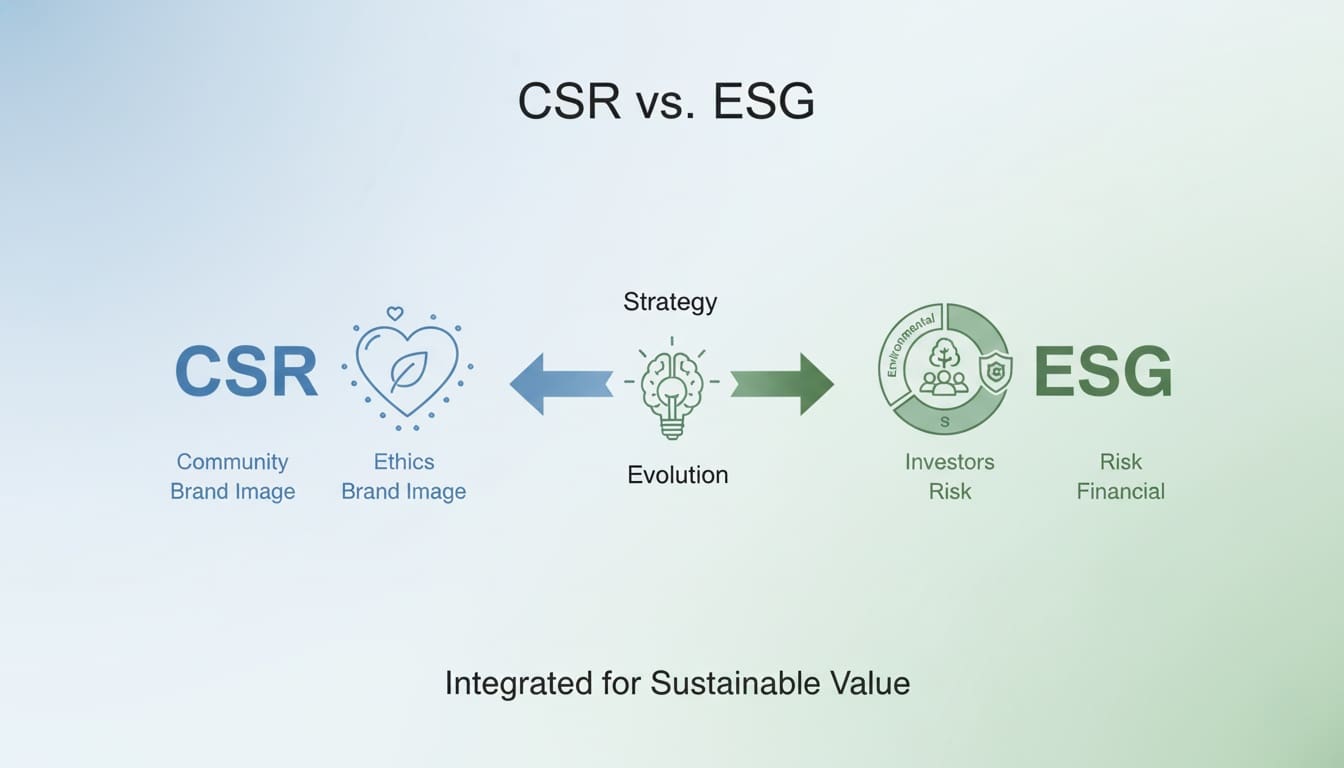
  • Differences Between CSR and ESG: Meaning, Roles & Application Methods

    Differences Between CSR and ESG: Meaning, Roles & Application Methods

    Join Mystorage to explore the differences between CSR and ESG, the meaning of each concept, and how businesses apply them to enhance reputation, ensure compliance, and achieve sustainable development.

    What are CSR and ESG?

    CSR (Corporate Social Responsibility)

    CSR is a business’s commitment to operating ethically and responsibly towards society and the environment. It goes beyond legal obligations, demonstrating a company’s contribution to sustainable development, improving the quality of life for communities and employees, while also protecting the environment.

    Role in Modern Management: CSR helps businesses build a positive image, strengthen customer trust, attract and retain talent, and manage risks more effectively. It is often considered a part of marketing and branding strategies, being voluntary and stemming from a company’s core values.

    ESG – A set of Environmental, Social, and Governance criteria

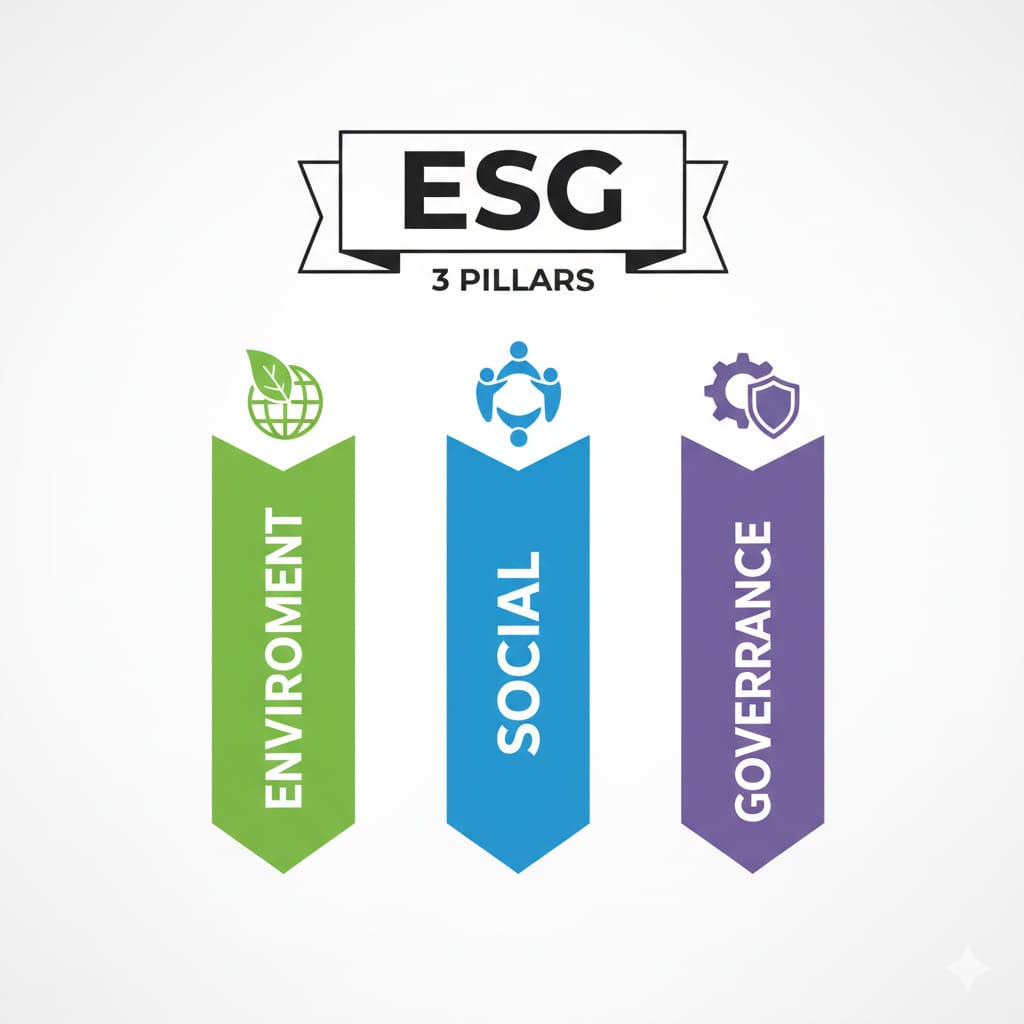
    ESG is a framework of criteria used to evaluate a company’s performance based on three key factors:

    • Environmental: Relates to a company’s impact on the natural environment (e.g., greenhouse gas emissions, waste management, use of renewable energy, resource conservation).
    • Social: Relates to a company’s relationships with its employees, suppliers, customers, and communities (e.g., labor conditions, diversity and inclusion, data privacy, product responsibility).
    • Governance: Relates to how a company is managed and operated (e.g., board structure, executive compensation, business ethics, financial transparency, shareholder rights).

    Role in Modern Management: ESG is increasingly becoming a quantitative tool used by investors to assess a company’s sustainability risks and opportunities. It’s not just about “doing the right thing” but also about “doing good business” by mitigating risks, improving operational efficiency, and creating long-term value for shareholders.

    Key Differences:

    • CSR is generally broader, qualitative, and voluntary, focusing on a company’s contributions to society.
    • ESG is more quantitative, measurable, and used by investors for decision-making, focusing on financial risks and opportunities related to sustainability.

    Bảng so sánh khác biệt giữa CSR và ESG

    Origins & Context of CSR and ESG Development

    History of CSR Development (1950s – 2000s)

    The concept of CSR is not new. It has developed and evolved through several stages:

    • The 1950s: The concept of “Social Responsibilities of the Businessman” was introduced by Howard R. Bowen in his book “Social Responsibilities of the Businessman” (1953), laying the groundwork for modern CSR. At this time, CSR primarily revolved around individual business ethics and philanthropy.
    • The 1960s – 1970s: Awareness of the social role of businesses began to broaden, extending beyond mere profit. Social movements (civil rights, environmentalism) prompted businesses to pay attention to their impacts. Scholars like Archie Carroll developed the CSR Pyramid model, classifying economic, legal, ethical, and philanthropic responsibilities.
    • The 1980s – 1990s: CSR began to be more integrated into business strategy. Companies realized that responsible conduct could yield competitive advantages. Concepts like “stakeholder theory” emphasized that businesses have responsibilities to a broader range of parties than just shareholders.
    • The 2000s to Present: CSR became more widespread and increasingly regarded as an indispensable part of corporate management. Sustainability reports and international standards (such as GRI – Global Reporting Initiative) emerged, assisting businesses in disclosing information about their CSR performance.

    ESG Emerged from Investors’ Demands for Risk Assessment (from 2004 – United Nations)

    • Early 2000s: Investors began to recognize that environmental, social, and governance (ESG) factors could significantly impact a company’s financial performance and long-term value. Financial scandals, environmental issues, and labor conditions highlighted the importance of assessing these non-financial risks.
    • 2004: The term ESG was first introduced in a landmark report titled “Who Cares Wins,” produced by the United Nations Environment Programme Finance Initiative (UNEP FI) in collaboration with leading financial institutions worldwide. This report demonstrated that integrating ESG factors into financial market analysis was financially material.
    • 2006: The Principles for Responsible Investment (PRI) initiative was launched by the United Nations. PRI provides a framework for investors to integrate ESG issues into their investment and ownership decisions. This marked a major turning point, as ESG transitioned from an ethical concept to a practical investment criterion.

    Khác biệt giữa CSR và ESG như thế nào: Ý nghĩa, vai trò & cách áp dụng

    Why ESG Has Become a Mandatory Assessment Standard in Many Markets

    ESG has become a mandatory assessment standard in many markets due to several combined factors:

    Investor Demand

    An increasing number of investors, particularly pension funds and large investment firms, seek to invest in responsible and sustainable companies. They recognize that companies with strong ESG performance tend to be more stable, carry less risk, and have the potential for long-term growth.

    Risk Management

    ESG factors help identify and manage significant risks that traditional CSR may overlook, such as climate risks, supply chain risks, and reputational risks resulting from labor ethics violations or poor governance.

    Legal and Regulatory Pressure

    Many governments and regulatory bodies worldwide have begun enacting regulations that require companies to disclose ESG information. This aims to enhance transparency, encourage sustainable behavior, and protect investors.

    For example, the European Union has stringent regulations regarding sustainability reporting (CSRD – Corporate Sustainability Reporting Directive).

    Green and Sustainable Growth

    Global awareness of climate change and social issues has driven governments and the public to demand that businesses contribute to sustainable development goals. ESG provides a framework for measuring and tracking these contributions.

    Market Competition

    Companies with strong ESG performance often enjoy a competitive advantage, attracting customers, partners, and talent, while also more easily accessing capital.

    While CSR is part of a voluntary and ethical strategy, ESG has evolved into a quantitative measurement system driven by the demands of the financial market and regulatory requirements, becoming a key factor in assessing a company’s value and risk in the modern era.

    Quick Comparison Table: CSR vs. ESG

    To summarize the main differences and facilitate understanding, here’s a concise comparison table between CSR and ESG:

    Criteria CSR (Corporate Social Responsibility) ESG (Environmental – Social – Governance)
    Objective Voluntary spirit, ethical responsibility, brand image enhancement. Quantitative criteria assessing investment risks and opportunities for sustainable value creation.
    Nature Qualitative, focused on ethics and social responsibility. Quantitative, centered around financial effectiveness and risk.
    Measurement Hard to quantify, based on specific activities and perceptions. Clear indicators and standards, specific measurable data, ranked.
    Stakeholders Public, customers, employees, community, management. Investors, financial institutions, regulatory bodies, management.
    Mandatoriness Voluntary, highly flexible. Increasingly mandatory in many markets, related to regulations and audits.
    Typical Examples

    – Charitable donation programs

    – Employee volunteer days

    – Reducing internal waste

    – Superior employee benefits

    – Annual carbon emissions reporting

    – Percentage of women on the board

    – Occupational safety metrics

    – Customer data privacy policies

    – Supply chain risk assessment

    This comparison highlights how ESG has emerged as a more structured framework driven by market needs, while CSR encompasses broader ethical initiatives.

    Real-World Examples of CSR and ESG Implementation

    Major corporations around the world and in Vietnam have been applying both CSR and ESG in their unique ways, trending towards a shift from traditional CSR to a deeper integration of ESG.

    Unilever (Multinational Corporation)

    • Previously (Notable for CSR): Unilever was a pioneer in CSR with its “Unilever Sustainable Living Plan” (USLP) launched in 2010. This plan set ambitious goals for reducing environmental impact (such as lowering emissions and water consumption), improving health and living conditions for billions, and enhancing livelihoods. It exemplifies how a corporation integrates CSR into its core business strategy, not just as a charitable activity, but also in product development and supply chains.

    Currently (Shifting to ESG):

    With the rise of sustainable finance, Unilever places increasing emphasis on its ESG performance. They provide detailed disclosures on ESG metrics related to emissions, water management, diversity and inclusion (D&I) in the workforce, transparent governance, and compliance with international standards. Investors now examine these ESG metrics to assess risk and growth potential for Unilever.

    Samsung (South Korean Technology Corporation)

    • Previously (Notable for CSR): Samsung has implemented numerous global CSR programs focused on education, community support, and environmental protection. For example, the “Samsung Solve for Tomorrow” program encourages youth to tackle social issues using technology, alongside initiatives for recycling old electronic devices.

    Currently (Shifting to ESG):

    Samsung now places a significant focus on ESG, particularly aiming for carbon neutrality by 2050 and using 100% renewable energy for all global operations. They are also enhancing transparency in their supply chain, improving working conditions, and strengthening corporate governance due to pressure from investors, consumers, and international regulations that demand greater responsibility from major tech companies.

    Vinamilk (Leading Vietnamese Enterprise)

    • Previously (Notable for CSR): Vinamilk has engaged in various CSR activities tied to the community and Vietnamese children, such as the “Vietnam Rising Milk Fund,” programs supporting nutrition for impoverished children, and school construction. The company emphasizes sustainable dairy farming and environmental protection on its farms.

    Currently (Shifting to ESG):

    Vinamilk is progressively transitioning to integrate ESG frameworks. The company has developed sustainability reports according to international standards (GRI), setting specific targets for reducing greenhouse gas emissions, utilizing renewable energy, managing waste and water, while also enhancing animal welfare standards and sustainable supply chains. This move helps Vinamilk attract international investment funds interested in ESG, enhancing its position in global markets.

    Why Are They Shifting from CSR to ESG?

    Major corporations are transitioning from CSR to ESG for several key reasons:

    1. Investor Pressure :An increasing number of institutional investors (pension funds, large investment funds) and ESG-specific funds demand companies demonstrate strong ESG performance before investing. They view ESG as essential for evaluating long-term risks and opportunities.
    2. Market and Regulatory Requirements: Many developed markets are beginning to implement mandatory regulations regarding ESG disclosures. To maintain competitiveness and access to markets, companies must comply.
    3. More Effective Risk Management: ESG provides a rigorous framework to identify, assess, and manage non-financial risks (climate change, resource shortages, labor issues, reputational risks) that can severely impact company value.
    4. Operational Efficiency Optimization: Investing in ESG initiatives (such as renewable energy and waste management) can lead to reduced operational costs, increased resource efficiency, and improved profitability.
    5. Talent Attraction and Retention: Younger generations increasingly prioritize companies that are socially and environmentally responsible. Strong ESG performance helps attract and retain talent.
    6. Enhanced Access to Capital: Financial institutions and banks are increasingly prioritizing lending or offering green financial products to businesses with high ESG ratings.

    Lessons for Vietnamese Businesses

    • Understand the Differences and Roles: Vietnamese businesses need to recognize that CSR and ESG are not the same. CSR represents the ethical foundation, while ESG serves as a framework for financial measurement and risk management.
    • Start with CSR but Aim for ESG: Small and medium-sized enterprises (SMEs) can begin with straightforward CSR activities aligned with core values. However, they should have a roadmap to gradually build ESG capabilities, especially if they plan to seek funding, expand markets, or participate in global supply chains.
    • Integrate ESG into Business Strategy: ESG should not just be a report but must be integrated into the company’s strategy, operations, and governance. This includes establishing specific ESG objectives, collecting data, measuring, and reporting transparently.
    • Focus on Training and Capacity Building: Investing in employee training on ESG, building dedicated teams, and seeking expert consulting when necessary will ensure effective ESG implementation.
    • Enhance Transparency and Reporting: Although not yet mandatory, proactively reporting ESG metrics according to international standards will help Vietnamese companies build trust with investors, partners, and customers.
    • Identify Opportunities from ESG: ESG presents not only risks but also opportunities to innovate products, services, and processes, thereby creating competitive advantages and new value.

    Should Companies Choose CSR or ESG? (Combine Based on Goals)

    Rather than choosing between CSR and ESG, the most effective approach for businesses today is to combine both, based on their goals and development stage. CSR and ESG are not mutually exclusive; they complement each other, creating a comprehensive sustainable development strategy.

    • If the goal is to build brand and reputation → prioritize CSR:
      If a company primarily aims to create a positive image in the eyes of the public, enhance customer and employee loyalty, and demonstrate ethical commitment, focusing on traditional CSR initiatives will be highly effective.

      CSR activities help forge good relationships with the community, create a positive work environment, and enhance the emotional value of the brand.

      Example: A dairy company might prioritize nutrition support programs for impoverished children, which is a strong CSR action that builds a brand “for the community.”

    • If aiming to attract investment, manage risks, and ensure long-term growth → prioritize ESG:
      If a company is seeking capital from institutional investors, wants to minimize operational and financial risks, or plans to expand into international markets, then focusing on ESG criteria is crucial.

      Strong ESG performance helps companies demonstrate sustainable management capabilities, attract green investment funds, reduce capital costs, and comply with increasingly stringent regulations.

      Example: An energy company needs to be transparent about its carbon emissions, invest in renewable energy, and have a clear governance structure to attract investors interested in “clean energy.”

    Recommendations: Combine Both Based on Industry and Strategy

    In practice, businesses should view both CSR and ESG as two sides of the same coin in a sustainable development strategy:

    1. CSR as the Ethical and Cultural Foundation: Begin by defining core values and the ethical and social responsibilities that the business wishes to uphold. This creates a solid cultural foundation for sustainability activities.

    2. ESG as a Measurement and Management Tool: Once the CSR foundation is established, use the ESG framework to systematize, measure, and report sustainable efforts. ESG translates the good intentions of CSR into measurable, manageable, and financially valuable actions.

    For industries with significant environmental impacts (e.g., manufacturing, energy, mining), prioritizing the E (Environmental) and S (Social) aspects of ESG is crucial for managing risks and ensuring compliance. At the same time, CSR must be maintained to build trust with local communities and consumers.

    For service sectors or tech companies, the S (Social) factor (e.g., employee welfare, data security) and G (Governance) factor (e.g., business ethics, transparency) in ESG may take precedence. CSR remains essential in building company culture and attracting talent.

    For publicly traded companies or those planning significant capital investments, establishing a robust ESG reporting system is mandatory to meet investor and market demands.

    Both CSR and ESG play vital roles in sustainable development strategies but differ in objectives, measurement methods, and levels of commitment. Understanding these distinctions helps businesses choose suitable models to optimize brand reputation and investment attractiveness. In an increasingly transparency-demanding market, combining CSR with ESG is not just a trend but a long-term competitive advantage.

    Currently, Mystorage is implementing various CSR and ESG activities, notably a donation box for clothes and goods located at 375 Vo Nguyen Giap, District 2. If you have clothes, shoes, or used items to donate, please bring them here!

  • Understanding CSR – Role and Benefits for Businesses

    Understanding CSR – Role and Benefits for Businesses

    In the context of increasing demands for transparency, sustainable development, and international standards, Corporate Social Responsibility (CSR) has become a crucial factor for companies looking to enhance their reputation and competitiveness. However, effectively implementing CSR goes beyond mere charitable activities; it requires a systematic and measurable approach. The following article guides businesses through the steps to implement CSR in a standardized manner that delivers real value.

    What is CSR?

    CSR (Corporate Social Responsibility) refers to a company’s commitment to operate in an ethical, transparent manner that is responsible toward the environment, society, and all stakeholders involved.

    In other words, CSR is not merely about philanthropic activities; it is a way for companies to create sustainable value for the community and themselves.

    History and Development of CSR

    • 1950s-1960s: CSR was first introduced in academic discussions, emphasizing business ethics.
    • 1970s-1980s: The concept of CSR expanded to encompass responsibilities towards the community, employees, and the environment.
    • 1990s: Globalization and environmental issues propelled CSR to become a critical requirement for multinational enterprises.
    • 2000 to Present: CSR has evolved into an operational standard closely linked with sustainability reporting, transparent governance, and responsible supply chains.

    Differences Between CSR, ESG, and Sustainability

    CSR (Corporate Social Responsibility)

    • Nature of Activities: Generally voluntary social responsibility efforts.
    • Focus: Centered on voluntary social responsibility activities.
    • Goals: To reflect ethical standards and contribute to community welfare.
    • Examples: Educational sponsorship, community activities, afforestation, improving workplace environments.

    ESG (Environmental – Social – Governance)

    • Measurement Standard: A set of criteria for measurement and reporting aimed at investors.
    • Focus: Criteria for evaluating companies on environmental performance, social impacts, and governance practices.
    • Goals: To assess risks, attract investments, and elevate operational standards.
    • Examples: Carbon footprint analysis, labor safety, governance transparency, and legal compliance.

    Sustainability

    • Strategic Focus: Long-term sustainable development strategies.
    • Focus: Integrates economic development, environmental protection, and social benefits into long-term plans.
    • Goals: To optimize long-term value while minimizing negative impacts on future generations.
    • Examples: Energy optimization, implementing circular economy models, and developing green supply chains.

    By understanding and implementing CSR effectively, businesses can not only enhance their societal contributions but also promote a sustainable and ethical business environment.

    Hoạt động CSR cần thiết cho doanh nghiệp

    Internationally Recognized CSR Standards and Reporting Frameworks

    1. ISO 26000 – Guidance on Social Responsibility

    ISO 26000 is an international standard that provides a comprehensive framework for social responsibility for businesses. This standard focuses on seven pillars: governance, human rights, labor practices, the environment, fair operating practices, consumer issues, and community development. Although it is not certification-based, ISO 26000 helps organizations develop structured, transparent CSR strategies in line with international standards.

    2. GRI Standards – International Sustainable Reporting Standards

    The GRI (Global Reporting Initiative) Standards are the most widely used sustainability reporting standards globally, employed to measure and disclose the economic, environmental, and social impacts of businesses. The GRI Standards help companies:

    • Enhance transparency,
    • Enable comparison with other organizations,
    • Meet market and investor information disclosure requirements.

    3. SA8000 – Labor Social Responsibility Standard

    SA8000 focuses on labor conditions and encompasses human rights, child labor prohibition, occupational safety, working hours, wages, and freedom of association. Many manufacturing, apparel, and supply chain companies utilize SA8000 to demonstrate compliance with ethical labor practices.

    4. UN SDGs – 17 Sustainable Development Goals

    The United Nations Sustainable Development Goals (SDGs) serve as a global framework guiding organizations towards achieving objectives by 2030. Businesses use the SDGs to:

    • Align CSR with broader social and environmental goals,
    • Identify strategic priorities,
    • Create sustainability reports using a universally recognized language.

    Prominent SDGs often adopted by companies include clean energy, climate action, sustainable consumption, gender equality, and decent work and economic growth.

    5. ESG Reporting – Increasing Demand from Investors

    In addition to traditional CSR, businesses today are expected to publish ESG reports to meet demands from:

    • Investors,
    • International partners,
    • Credit institutions and funds,
    • Market regulatory bodies.

    ESG reporting emphasizes quantitative data such as carbon emissions, energy consumption, gender diversity, governance accountability, human resource policies, and operational risks. This framework enables companies to demonstrate transparency and long-term sustainability capability.

    Practical Benefits of CSR for Businesses

    Implementing CSR is not merely a community responsibility activity but increasingly serves as a vital business strategy that enhances competitive capability in the globalization context. As standards for sustainable development gain greater attention, CSR offers significant benefits in brand reputation, human resources, governance, and supply chains.

    1. Enhanced Brand Reputation and Customer Trust

    Companies that invest in CSR often receive positive evaluations from consumers, especially in highly competitive sectors. Today’s customers prefer to choose brands that are environmentally and socially responsible.

    • Increases brand recognition.
    • Improves the company’s image in the community.
    • Builds long-term customer loyalty.

    2. Attracting Quality Talent and Increasing Internal Cohesion

    CSR creates a meaningful work environment, making organizations more appealing to potential employees and helping retain top talent.

    • Increases employee satisfaction and engagement.
    • Attracts young candidates who value sustainability.
    • Improves corporate culture through social responsibility activities.

    3. Reduced Operational, Governance, and Legal Risks

    By adhering to CSR standards, businesses minimize the risk of penalties, lawsuits, or operational disruptions due to environmental or labor issues.

    • Ensures compliance with legal regulations and international requirements.
    • Mitigates the risk of disruptions in production and supply.
    • Enhances transparency and standards in governance.

    4. Increased Competitiveness in Global Supply Chains

    For export-oriented companies or those participating in the supply chains of large corporations, CSR has become a mandatory standard. Strong implementation helps businesses better withstand the stringent demands from partners.

    • Easily meet assessment criteria from international corporations.
    • Increase opportunities for long-term contracts and market expansion.
    • Enhance company value in the eyes of investors.

    By integrating CSR practices, businesses not only fulfill their societal obligations but also foster a resilient and competitive economic environment.

    CSR đóng vai trò quan trọng cho sự phát triển của xã hội

    How Do Businesses Implement CSR?

    To ensure that CSR delivers real value to a business—rather than being merely a formal exercise—companies must implement it according to a structured process aligned with strategic objectives and international standards such as GRI or UN SDGs. Below is a comprehensive guide from initiation through measurement, reporting, and communication of CSR activities.

    1. Define CSR Objectives Relevant to the Industry

    Businesses need to clearly identify the social and environmental issues they are facing to focus their CSR initiatives effectively, such as:

    • Manufacturing Companies: Emissions, energy usage, waste management.
    • Service Companies: Data security, customer experience.
    • Logistics/Warehousing Firms: Carbon emissions, labor safety.

    2. Analyze Environmental, Social, and Governance Impacts

    This step is crucial for understanding which factors most significantly affect operations and stakeholders.

    • Conduct an environmental risk assessment (E).
    • Assess risks related to personnel and community (S).
    • Review governance processes for transparency (G).
    • Consider international customer requirements.

    3. Develop a Plan and KPIs for Each CSR Project

    An effective CSR plan should include:

    • Measurable Objectives: Specific metrics that can be evaluated.
    • Clear KPIs: Examples include percentage reduction in emissions, training hours for employees, and the number of community activities.
    • Budget Projections, Timelines, and Responsible Personnel.
    • Coordination Mechanism: Between Marketing, HR, and Sustainability departments.

    4. Implement and Measure CSR Effectiveness

    Once the plan is set, businesses proceed with execution and monitoring:

    • Collect data through a regular system.
    • Compare results against KPIs and industry benchmarks.
    • Adjust programs if objectives are not met.

    5. Establish a CSR Reporting System According to International Standards (GRI, UN SDGs)

    Creating reports helps ensure transparency with customers, partners, and investors.

    • Apply GRI Standards (Global Reporting Initiative) to standardize reporting metrics.
    • Link CSR objectives with the 17 UN SDGs. Examples include:
      • SDG 7: Clean Energy
      • SDG 8: Decent Work
      • SDG 12: Sustainable Consumption and Production
    • Publish annual reports on the website or via a Sustainability Report.

    6. Integrate CSR into the Sustainable Development Strategy

    CSR should not be a standalone activity but rather part of the overarching strategy:

    • Align CSR with ESG and a 3–5 year sustainable development strategy.
    • Incorporate CSR into the KPIs for leadership and departments.
    • Foster an internal culture aimed at sustainable development.

    7. Communicate CSR Effectively

    Communication helps CSR generate brand value rather than existing solely internally.

    Principles of CSR Communication:

    • Transparency and Honesty: Avoid “greenwashing.”
    • Specific Metrics: For instance, “a 20% reduction in plastic waste within 12 months.”
    • Multi-Channel Approach: Use PR, websites, social media, and video recaps.

    Example Case Studies:

    • Vinamilk: The “One Million Green Trees” initiative aligned with SDG 13 – Climate Action.
    • IKEA: Using 100% renewable energy in operations.
    • Unilever: Reducing CO₂ emissions by 52% in its supply chain.

    CSR is not just a responsibility; it is also an opportunity for businesses to build sustainable brands, attract talent, and enhance competitive capabilities. With a clear process—from goal definition to impact measurement and international reporting—companies can create long-term value for both their internal stakeholders and the community. Implementing CSR correctly today lays the foundation for sustainable business growth in the future.

    Currently, Mystorage is engaged in CSR activities, notably establishing a charity box for clothing and used goods collection at 375 Võ Nguyên Giáp, District 2.

  • Listed Logistics and Warehousing Companies in Vietnam

    Listed Logistics and Warehousing Companies in Vietnam

    Explore the list of leading logistics and warehousing companies listed on the Vietnamese stock exchange. A summary of information on scale, areas of operation, business results and investment potential in the rapidly growing logistics industry.

    Introduction to the Warehousing and Logistics Industry in Vietnam

    1. Importance as the Lifeblood of Supply Chains

    Warehousing and logistics serve as the backbone of all commercial activities. In Vietnam, their significance is increasingly affirmed, especially in the context of globalization and the growth of e-commerce:

    • Key to Supply Chains: Warehousing is not just a storage facility; they are distribution centers that help control inventory, manage the flow of goods (such as cross-docking), and optimize delivery times. An efficient logistics system reduces costs and accelerates product time-to-market.
    • Drivers for E-commerce: The boom in e-commerce demands fast delivery and high accuracy. E-commerce warehouses in major cities like Ho Chi Minh City and Hanoi process millions of orders daily, making logistics a crucial competitive factor for online marketplaces.

    2. The Vietnamese Market: Rapid Growth and Potential

    The logistics market in Vietnam is considered one of the fastest-growing markets in the region, thanks to its geographical position and open-door policies:

    Growth Rate (GDP)

    • According to data from the Ministry of Industry and Trade and the Vietnam Logistics Business Association (VLA), Vietnam’s logistics sector maintains an annual growth rate of 14-16%. Logistics costs account for about 20-25% of GDP, indicating substantial potential for optimizing and developing professional third-party (3PL) and fourth-party logistics (4PL) services.

    FDI Attractiveness

    • Vietnam is benefiting from the global supply chain shift (China+1). Major corporations like Samsung and Foxconn are ramping up production, resulting in enormous demand for transportation, warehousing, and port systems.

    • Reports from research firms such as Savills Vietnam highlight that the industrial warehousing market in key provinces (Binh Duong, Dong Nai, Long An) is experiencing high occupancy rates and steadily increasing rental prices, reflecting the demand for expanded manufacturing and distribution facilities.

    3. Trends in Listing and Capital Expansion

    In recent years, there has been a clear trend: large logistics and warehousing companies are increasingly listing their stocks or issuing bonds to raise capital:

    • Capital Raising Objectives: Listing helps logistics companies access substantial funding to undertake costly infrastructure projects, such as building large-scale logistics hubs, investing in modern transportation fleets, and developing technologies (WMS, warehouse automation).
    • System Expansion: Listed companies like GMD (Gemadept), VSC (Viconship), and others developing warehousing land such as KTG Industrial are actively expanding their warehousing systems, especially cold storage and automated warehouses, to meet international standards and the demands of the e-commerce, food, and pharmaceuticals markets.

    Giới thiệu Ngành Kho bãi & Logistics tại Việt Nam

    Classification of Warehousing and Logistics According to International Standards

    This sector is divided into two main perspectives: classification by logistics service functions and classification by the Global Industry Classification Standard (GICS).

    Classification by Logistics Service Functions

    This classification is based on the level of service integration that the company provides:

    Service Type English Name Role and Function
    1PL First Party Logistics Self-operated logistics (e.g., a manufacturing company owns and operates its own trucks).
    2PL Second Party Logistics Provides basic transportation services (e.g., shipping lines, airlines, road transport companies).
    3PL Third Party Logistics Offers comprehensive services, integrating transportation, warehousing, and inventory management. This is the largest segment.
    4PL Fourth Party Logistics Provides overall solutions, managing and integrating all resources (technology, 3PL, consulting) for customers’ supply chains.
    5PL Fifth Party Logistics Integrates supply chains through technology platforms and e-commerce (E-commerce Logistics).

    Classification by Type of Warehousing Facility

    This classification is based on the physical characteristics of the assets, commonly used by investment funds and industrial real estate developers (according to GICS):

    GICS Sub-Industry Asset Type Purpose of Use
    Industrial REITs Common Warehouse General warehousing for dry goods, construction materials, and consumer goods.
    Specialized Warehouse Cold Storage Preserves temperature-sensitive goods (food, pharmaceuticals, vaccines).
      Bonded Warehouse Stores goods waiting for customs clearance or tax payment.
      Cross-Docking Center Optimizes distribution speed, minimizing storage time.
    Transportation Infrastructure Ports/Airports Major transport infrastructure for loading and temporary storage of goods.
      Distribution Center Large distribution centers strategically located to serve various regions.
    Self-Storage Facilities Mini Self-storage Flexible small storage units for individuals and small businesses (1-30 m²).

    Classification by Industry Sector (According to GICS)

    In the GICS system, logistics and warehousing companies fall within the following major industries:

    • Industrials Sector: Transportation Sub-Industry: Includes companies involved in sea (shipping), road (trucking), rail, and air freight. This is where the primary logistics companies are classified.
    • Real Estate Sector: Industrial REITs Sub-Industry: Includes investment funds or companies that own and lease industrial assets such as factories and warehouses (especially warehouses A and B).

    In Vietnam, logistics companies like Gemadept (GMD) and SOTRANS are often classified under the Transportation group within the Industrials sector, while developers of industrial parks and warehouses like KTG Industrial fall under the Real Estate group or are related to REITs (Real Estate Investment Trusts).

    Phân ngành Kho bãi & Logistics theo Chuẩn Quốc tế

    Operational Efficiency and Investment Trends in the Warehousing and Logistics Industry (2021–2024)

    1. Revenue and Profit Growth (2021–2024)

    The logistics and warehousing sector in Vietnam, particularly the segment providing port and warehousing services, has displayed resilience and impressive growth, even in the post-COVID-19 pandemic phase:

    • 2021-2022 (Recovery Post-Pandemic): This period saw a surge in profits for port and freight forwarding companies due to global supply chain disruptions and skyrocketing shipping costs (increases of 300-500%). Industry leaders such as Gemadept (GMD) and Viconship (VSC) recorded record-high profit growth.
    • 2023-2024 (Stabilization and Challenges): Profit margins in the industry are stabilizing as shipping costs have decreased back to pre-pandemic levels. However, the warehousing and 3PL segments continue to experience stable growth, driven by a persistent demand for storage and production relocation from FDI enterprises.

    VCBS notes that the gross profit margins of port operators are more stable than those in the transportation segment due to lower competition and higher barriers to entry.

    2. M&A Trends and Infrastructure Expansion

    M&A activities and expansion investments are clear indicators of the industry’s attractiveness:

    • Expansion of Warehousing and Distribution Centers (DC): Domestic and international firms continuously invest in the development of distribution centers (DC) and Grade A warehouses in provinces adjacent to Ho Chi Minh City and Hanoi.
    • Foreign Participation: International investment funds and warehouse developers (such as ESR, Logos, Frasers Property) are actively acquiring land or collaborating with Vietnamese partners to develop large-scale ready-built factories.
    • Port M&A Trends: M&A transactions are focused on strategic seaports to enhance operational capacity. For instance, major corporations are increasing their ownership stakes in deep-water ports or the Cai Mep – Thi Vai port area to capitalize on trends involving larger mother vessels.

    These three factors are primary drivers of demand for warehousing and logistics in Vietnam:

    Drivers and Their Impact on Warehousing and Transport Demand

    Driver Impact on Warehousing and Transport Demand
    FDI (Foreign Direct Investment) Creates demand for large-scale goods transportation and storage. The shift in supply chains (China+1) increases the demand for renting warehouses and industrial facilities in satellite areas.
    Imports and Exports The volume of import and export goods remains high, especially manufactured and processed goods. This directly drives demand for port services, freight forwarding, and 3PL services.
    E-commerce Requires specialized fulfillment warehouses and sorting centers near residential areas to optimize last-mile delivery. There is significant growth in demand for mini and shared warehouses in urban areas.

    4. Insights from Securities Companies

    Leading securities firms in Vietnam share common insights regarding the long-term potential of the industry:

    • VCBS (Vietcombank Securities); Emphasizes the advantages of deep-sea port operators located in strategic areas (such as the Cai Mep – Thi Vai region), as these ports have high-profit margins and benefit from FDI flows.
    • SSI (SSI Securities Corporation); Positively evaluates the growth potential of 3PL and warehousing, especially in cold storage and automated warehousing segments. SSI believes companies capable of implementing technologies (WMS, automation) will have significant competitive advantages.
    • VNDS (VNDirect Securities): Forecasts a recovery in the shipping and freight forwarding industry as global trade warms up again. VNDS also focuses on the public investment narrative in infrastructure (highways, ports), which will help reduce logistics costs and enhance operational efficiency for larger companies.

    In conclusion, the warehousing and logistics sector in Vietnam presents a solid long-term growth potential, supported by macroeconomic factors such as FDI and e-commerce, despite the possibility of experiencing price volatility in shipping costs.

    Overview of Listed Logistics and Warehousing Companies in Vietnam

    The logistics and warehousing sector in Vietnam comprises over 40 companies listed on the HOSE, HNX, and UPCoM exchanges. These companies can be categorized into three main groups based on their core business activities:

    1. Integrated Logistics Companies: Providing comprehensive 3PL services, including transportation, warehousing, and port operations (e.g., GMD, TMS).

    2. Warehouse and Freight Transport Companies: Focusing on warehousing, container transport, or specialized logistics (e.g., TCL, PET).

    3. Port and Maritime-Related Logistics Companies: Primarily engaged in port operations or maritime transport (e.g., VSC, PHP, HAH).

    Below is a summary of 10 prominent logistics and warehousing companies on the Vietnamese stock market:

    No. Stock Code Main Sector Market Cap (Approx.) Listed Exchange Notes
    1 GMD Integrated Logistics & Port Operations High (> 20,000 billion VND) HOSE Leading logistics company with deep-sea port systems (Cai Mép, Hải Phòng) and extensive warehousing network.
    2 VSC Port Operations and Logistics Medium – High HOSE Strong in port operations and logistics services in the Northern region (Hải Phòng), with investments expanding southward.
    3 HAH Container Transport and Logistics Medium – High HOSE Major domestic container transport entity, owns a fleet and depot network (container storage).
    4 TMS Comprehensive Logistics (3PL) & Warehousing Medium HOSE Specializes in integrated logistics, with a network of bonded and cold storage facilities in Ho Chi Minh City.
    5 TCL Warehousing & Container Transport Medium HOSE Subsidiary of Saigon Newport Corporation, strong in warehousing, ICD, and container transport in the South.
    6 STG Integrated Logistics & Bonded Warehousing Medium HOSE Provides integrated logistics services, owns bonded and A-grade warehouses in Ho Chi Minh City area.
    7 VTP E-commerce Logistics & Delivery Medium – High HOSE Core player in express delivery, e-commerce logistics, and nationwide fulfillment.
    8 MVN Maritime & Sea Transport High UPCoM Vietnam Maritime Group, mainly engaged in international sea transport and owns a large portfolio of ports nationwide.
    9 PHP Port Operations Medium HOSE Hải Phòng Port, operates and provides logistics services in northern coastal areas.
    10 PET Oil & Gas Logistics & Industrial Cargo Medium HOSE Offers specialized logistics services for the oil and gas sector along with other industrial goods.

    The logistics and warehousing sector in Vietnam is entering a robust growth phase that attracts both domestic and foreign investment. Monitoring the performance of listed companies in this sector helps investors and businesses identify trends, cooperation opportunities, and long-term development strategies.

  • Office moving and house moving service company in HCMC

    Office moving and house moving service company in HCMC

    Ho Chi Minh City, with its rapid urbanization and economic pressures, consistently maintains a high demand for relocating homes and offices. In the context of ever-increasing rental prices for offices in the central business district (CBD), many businesses are forced to move to Non-CBD areas to optimize operational costs. This relocation process, if done independently, often consumes a lot of time and effort and carries the risk of asset damage. Therefore, comprehensive moving services for homes and offices have become the optimal solution. Choosing professional office moving and house moving services not only helps businesses save overall costs (by controlling budgets and minimizing work disruption time) but also ensures that assets are transported safely, with clear compensation commitments, providing absolute peace of mind during the restructuring and expansion process.

    Overview of Moving House and Moving Office Package Service in HCMC (Saigon)

    • Increasing Demand for Transportation Services: Ho Chi Minh City, as the economic locomotive and the most populous city in the country (over 13 million people including immigrants according to 2023 data), always has a high demand for relocation and resettlement.
    • Motivation from Population and Urbanization: The migration of residents from central districts to new urban areas (such as old District 2/Thu Duc, District 7, Binh Chanh) requires flexible and professional moving services to handle asset relocation.
    • Business Trends: Even amid economic difficulties, businesses must carry out relocation, restructuring, or branch expansion to optimize operations. The demand for relocating offices and warehouses is strongly focused on emerging industrial areas or standard office buildings.

    Cost Pressure and Business Relocation Trends

    • High Rental Prices for CBD Offices: According to the Ho Chi Minh City office market report for Q3 2024, the rental prices for Grade A offices in the CBD area (District 1, District 3) remain high, fluctuating around $45 – $60 per square meter per month.
    • Trend of Moving to Non-CBD Areas: To reduce rental pressure, many businesses are inclined to move their offices to Non-CBD areas (such as District 7, Tan Binh, or Thu Duc City). This significantly drives the demand for professional full-package moving services to carry out the relocation of assets, machinery, and documents.
    • Overall Cost Savings: Utilizing full-package services allows businesses to shift labor costs from variable expenses that are difficult to control to fixed costs per service contract, making budget management easier during challenging economic times.

    Benefits of Professional Moving Services

    Choosing reputable full-package moving companies brings many important benefits, helping to minimize risks and increase efficiency:

    • Time and Resource Savings: Full-package services include all steps from dismantling, packing, transporting, to reinstallation at the new location. This helps businesses or individuals save up to 80% of the time compared to doing it themselves, allowing office employees to focus on their specialized work without interruption.
    • Absolute Safety of Goods: Professional units use standard packing materials, specialized vehicles, and experienced technical teams.
    • Transparency and Insurance: Professional services provide clear contracts and have policies for insuring goods. If there is loss or damage to assets during the relocation process, customers will be compensated according to the committed value in the contract, providing absolute peace of mind.

    Overview of Moving House and Moving Office Package Service in HCMC (Saigon)

    Criteria for Evaluating Reputable Moving Companies for Homes and Offices

    Choosing a moving company should not only be based on cost but also on actual capabilities, professionalism, and legal accountability.

    1. Experience and Company Scale

    • Years of Experience: Companies with extensive experience (over 5 years) typically have professional handling processes and experience in dealing with complex issues (e.g., moving safes, bulky machinery, or relocating offices with 200 employees).
    • Scale and Major Clients: Assess the number of branches, total number of trucks, and especially the list of large corporate clients (B2B) they have served. Major clients are evidence of reliability and the ability to meet high standards.

    2. Variety of Services Offered

    A reputable company must provide comprehensive and diverse services, offering flexibility to customers in all situations:

    • Comprehensive Services: This includes both home and office moving services (two areas with different packing and technical requirements).
    • Specialized Support Services: Should include complex techniques such as dismantling wooden furniture (beds, cabinets), disassembling air conditioners, orderly packing of documents, and hourly truck rentals (if customers choose to pack themselves).
    • Value-Added Services: Some companies also offer temporary storage services or mini warehouse rentals (e.g., MyStorage, Saigon Express), which are very useful in case of delays between the handover date and the new premises’ receipt.

    3. Professional Staff (Human Factor)

    The quality of service heavily depends on the team carrying out the work:

    • Packing Skills: Staff should be trained to pack fragile items (ceramics, crystal), sensitive electronic equipment, and office documents according to standards to ensure absolute safety.
    • Loading and Installation Skills: Requires experience in using hand trucks, pulleys, and knowledge of safely and quickly disassembling and reassembling furniture and appliances.
    • Attitude: Employees must be friendly, careful, and responsible.

    Criteria for Evaluating Reputable Moving Companies for Homes and Offices

    4. Equipment and Transportation Vehicles

    Ensure that the company has sufficient physical assets to perform the job effectively:

    • Diverse Vehicles: Possess various types of trucks with different load capacities (from 500 kg to 5 tons) to suit urban roads and small alleys in Ho Chi Minh City.
    • Quality Packing Materials: Use 5-layer cardboard boxes (for heavy goods), PE film, standard bubble wrap, plastic storage bins, and specialized materials to protect valuable items.
    • Support Equipment: Availability of trolleys, forklifts, and specialized disassembly tools.

    5. Insurance and Compensation Commitment

    This is the most important legal criterion, protecting the rights of customers:

    • Transparent Contracts: Service contracts must clearly state the compensation terms for damage or loss of property during transportation.
    • Compensation Rate: Clearly define the compensation level: 100% of the market value of damaged items (for valuable assets) or based on depreciation value.
    • Responsibility and Commitment: Require the company to commit to the completion time and quality of service.

    6. Customer Reviews and Online Reputation

    • Ratings and Feedback: Check ratings and the number of stars on public platforms such as Google Maps (via the company address), Facebook fan pages, or major forums.
    • Authenticity: Prioritize detailed reviews with actual images written by highly reliable accounts. Avoid companies with too few reviews or overly positive ratings (100% five stars).

    Top Reputable Moving and Office Relocation Companies in Ho Chi Minh City

    # Company Name Short Introduction Website
    1 Saigon Express Over 10 years of experience in complete moving services in Ho Chi Minh City and provinces, professional & competitive prices. secgroup.vn
    2 Vietnam Moving Over 14 years of operation, providing home and office moving services, warehouse rentals in Ho Chi Minh City. vietnammoving.com
    3 Chuyển Nhà Miền Nam Full package office moving service in Ho Chi Minh City, standard 5-step process, clear pricing. chuyennhamiennam.com
    4 VeNhaMoi Offers affordable complete home and office moving services in Ho Chi Minh City – transparent contracts, large discounts. venhamoi.vn
    5 Kiến Vàng Full package office moving service in Ho Chi Minh City, publicly available pricing and diverse truck types. kienvanghcm.com
    6 Chuyển Nhà Xanh Specializes in moving homes, offices, and warehouses in Ho Chi Minh City – fast, professional, and flexible transportation. chuyennhaxanh.vn
    7 Taxi Tải Sài Gòn Complete home moving service in Ho Chi Minh City, offering a variety of truck types, available on holidays and Sundays. taxitaisaigon.vn
    8 247Express Transportation unit specializing in office and home moving in Ho Chi Minh City with a transparent process and competitive prices. 247expressvn.vn
    9 Thành Tâm Express Over 15 years of experience, complete home moving service in Ho Chi Minh City with a money-back guarantee if customers are unsatisfied. chuyennhathanhtam.vn
    10 Công ty Vận chuyển 24h Supports complete home, office, and workshop relocation services in Ho Chi Minh City – operating 24/7. vanchuyen24h.vn

    Price Table and Experience of Hiring Home and Office Moving Services in Ho Chi Minh City

    When in need of moving houses or offices, being aware of the service pricing table and the factors affecting costs will help you be more proactive in your relocation planning.

    1. Factors Affecting Service Prices

    The cost of moving houses and offices typically depends on several key factors:

    • Distance of the Move: The further the distance, the higher the costs due to time and fuel consumption.
    • Volume of Items: A greater quantity or bulky items will require more labor and larger vehicles.
    • Type of Service: Full-service options (packing, disassembly, transportation, arrangement) will be priced higher than basic transportation services.
    • Special Requirements: Moving outside of regular hours, fragile items, electronic equipment, or office machinery may incur additional fees.

    2. Reference Price List for Moving Services

    Below is a common price table in Ho Chi Minh City (for reference only; prices may vary based on time and location):

    Truck Type Load Capacity Urban Moving Range Reference Price (VNĐ/trip)
    Small Truck 500 kg – 1 ton < 10 km 350,000 – 500,000
    Medium Truck 1.5 tons 10 – 20 km 600,000 – 800,000
    Large Truck 2 tons 20 – 30 km 900,000 – 1,200,000

    Note: The above prices do not include loading/unloading labor, disassembly, or packing materials.

    For an accurate quote, it is advisable to request the company to conduct a survey to estimate the correct volume and distance.

    3. Tips When Hiring Moving Services

    To ensure the moving process is safe, quick, and cost-effective, consider the following:

    • Prepare and Sort Items in Advance: Separate documents, personal belongings, and fragile items.
    • Label Each Storage Box: Clearly indicate the contents and the desired placement location to facilitate organization in the new space.
    • Inventory Your Assets: Create a detailed list before and after moving to avoid loss.
    • Choose a Reputable Company: Prioritize companies with clear contracts, insurance coverage, and a professional team.
    • Communicate Clearly Before Signing the Contract: Agree on costs, timeframes, compensation commitments, and additional services.

    Thoroughly understanding the price list for moving services along with the experience of selecting a reputable moving company will help you save time, effort, and ensure the safety of all assets during the relocation process.

    Professional Moving Process

    To ensure the transportation process is quick, safe, and on schedule, professional companies typically follow a standard five-step process:

    Step 1: Survey and Quotation

    The team will visit the location to assess the actual volume of items, route, and moving conditions (floors, elevators, alleys, etc.). From there, the company will provide a detailed, transparent quote and advise on a service package suitable for your needs.

    Step 2: Sign the Contract

    After both parties agree on the price and transportation plan, the service contract will be signed to ensure rights, responsibilities, and timelines. The contract usually specifies costs, deadlines, safety commitments, and compensation in case of incidents.

    Step 3: Packing and Disassembly

    Employees will disassemble, sort, and pack all assets using specialized materials such as cardboard boxes, foam, PE film, etc. For offices, electronic equipment and important documents will be marked and packed separately to ensure they are not lost.

    Step 4: Transportation and Installation

    Appropriate trucks will be dispatched to load, transport, and arrange items at the new location. The team will arrange according to the desired layout, reassemble furniture, desks, and shelves, ensuring there is no disruption to work.

    Step 5: Acceptance and Payment

    After completion, the customer and the company will review all assets, checking the quantity and condition of the goods. If everything meets the requirements, the customer will pay the remaining amount as per the contract.

    Choosing professional moving services helps you save time, effort, and ensures the safety of all assets. A clear working process, with contracts, insurance, and an experienced team, will provide absolute peace of mind throughout the transportation process. Prioritize reputable companies, full-service packages, and positive customer feedback to ensure your office or home move is efficient, safe, and smooth.

    FAQ

    What is the cost of full-service house moving in Ho Chi Minh City?

    Moving service costs vary by volume of goods, distance, and truck size, typically ranging from tens to hundreds of USD.

    How far in advance should I book a moving service?

    Bạn nên đặt lịch chuyển nhà ít nhất 3–7 ngày trước ngày chuyển để đảm bảo xe và nhân sự phù hợp.


    Does office relocation service include packing of equipment?

    Yes, office moving services usually include packing and disassembling office equipment upon request.

    Are trucks of various sizes available for moving?

    Có, đa dạng kích cỡ xe tải từ nhỏ đến lớn để phù hợp với lượng đồ khác nhau.

    Do I need to request special packing for fragile items?

    Yes, fragile items should be specially packed using protective materials for safe transport.

    Is moving service insured?

    Many providers offer insurance coverage to protect belongings during the move.

    Is there an extra fee for moving outside business hours?

    Some services may charge extra for moves outside of normal business hours.

    How can I get a moving quote quickly?

    Send a list of items + photos via Zalo/app or speak with staff to receive a quote in 10–30 minutes.

    Do you offer unpacking and arranging services after moving?

    Yes, many moving companies offer unpacking and arranging services at the new location.

    Does the moving service include disassembling and reassembling furniture?

    Yes, most moving services include disassembling and reassembling larger furniture items.

  • What is ESG? The role and benefits in sustainable development of businesses

    What is ESG? The role and benefits in sustainable development of businesses

    ESG is not just a set of non-financial evaluation criteria; it is a comprehensive business philosophy that balances economic interests with environmental and social responsibilities, aimed at creating long-term value. Here, we explore what is ESG, its role, and its benefits in fostering sustainable business practices.

    What is ESG?

    ESG stands for three English terms: Environmental, Social, and Governance. This set of standards is used to assess a company’s level of sustainable development and its responsibilities towards the environment, society, and internal governance principles.

    Origin and History of ESG

    The concept of ESG originated from “Responsible Investment,” initiated by the United Nations in 2004 to encourage financial institutions to consider sustainability factors alongside profitability.

    The Three Pillars of ESG

    1. Environmental (E): Evaluates how a company manages and mitigates its environmental impact, including carbon emissions, energy usage, natural resource management, waste production, and pollution.

    2. Social (S): Examines the company’s relationships with employees, customers, suppliers, and the community, encompassing labor rights, equality, social contributions, and community welfare.

    3. Governance (G): Refers to the governance structure, business ethics, transparency, accountability, and anti-corruption measures within the company.

    ESG standards are increasingly vital in helping companies achieve sustainable development, build trust with investors, and engage positively with the community. By adhering to these principles, businesses can enhance their reputation, attract investment, and contribute to a sustainable future.

    ESG là gì? Vai trò và lợi ích trong phát triển bền vững của doanh nghiệp

    The Strategic Importance of ESG

    1. Meeting International Investor Demands

      • Mandatory Investment Standards: ESG has become a decisive factor in investment decisions, serving as a measure of a company’s risk resilience and long-term sustainable financial growth.

      • Enormous ESG Capital Scale: The global assets associated with ESG are projected to reach $53 trillion by 2025, accounting for over one-third of total global investment assets. Companies with low ESG scores find it increasingly difficult to access international investment funds.

      • Superior Performance: Research indicates that ESG-focused investment funds often outperform traditional funds.

    2. Compliance with New Policies and Regulations

    • Pressure for International Integration: Vietnamese businesses, especially FDI and export companies, face significant pressure to comply with ESG regulations from international partners, such as the EU Taxonomy and the Corporate Sustainability Reporting Directive (CSRD). Non-compliance could lead to trade barriers.
    • Vietnam’s Legal Framework: Vietnam is gradually enhancing its legal framework regarding ESG. The 2020 Environmental Protection Law details responsibilities for emission reduction and waste management.
    • Decree No. 06/2022/ND-CP mandates large emitters to conduct greenhouse gas inventories and develop emission reduction plans starting in 2023.
    • The State Securities Commission encourages and requires listed companies to integrate sustainable development and ESG content into their annual reports.
    • Resolution 68-NQ/TW (issued in May 2025) directs the government to support interest rates and encourage credit institutions to reduce rates for private enterprises undertaking green and circular projects and adopting ESG standards.

    3. Enhancing Competitive Advantage and Brand Reputation

    • Companies with strong ESG strategies are viewed more favorably, creating significant competitive advantages in the market.
    • According to Nielsen surveys, 66% of consumers are willing to pay more for products from companies with clear ESG strategies.
    • Illustrative Examples: Companies like Microsoft aim to be carbon negative by 2030, and Patagonia is renowned for its sustainability commitment, both of which have established strong customer loyalty and brand reputation.

    4. Attracting and Retaining Talent

    • The Gen Z and Millennial workforce, a crucial segment, is particularly interested in social and environmental goals when choosing where to work.
    • According to Deloitte Insights (2023), 40% of Millennial and Gen Z employees prefer to work for companies with strong sustainability certifications.
    • A study by Harvard Business Review shows that companies with robust sustainability programs can attract top talent at a rate 25% higher than those without.
    • ESG commitments also help reduce turnover rates; organizations with clear ESG goals experience up to a 30% lower employee turnover.

    The Role and Benefits of ESG in Business Operations and Governance

    ESG (Environmental, Social, Governance) is not only a global trend but also a guiding principle that helps businesses make sustainable decisions, identify long-term risks, and enhance competitive capacity. Integrating ESG into the overall strategy—from product design, supplier selection, and marketing to internal operations—enables companies to optimize operations, enhance transparency, and build trust with investors, partners, and consumers. Regular ESG reporting serves as a “passport” for easier capital raising and international collaboration.

    In Vietnam, large companies such as Vinamilk, Nestlé, and Unilever have issued annual ESG reports, and stock exchanges like HOSE and HNX will begin requiring sustainability reports from 2025, underscoring the importance of ESG in modern governance.

    Role/Significance Specific Benefits Illustration/Practice
    Guiding Sustainable Decision-Making Identifying and managing long-term risks (environmental, social, legal) Vinamilk proactively mitigates climate change risks in its supply chain.
    Integration into Overall Strategy Designing “green” products, selecting sustainable suppliers, optimizing operations Unilever commits to 100% recycled plastic and energy savings.
    Enhancing Transparency & Trust ESG reports facilitate easier capital raising and international cooperation Companies listed on HOSE and HNX will be required to report from 2025.
    Increasing Brand Value A “green” image and corporate social responsibility attract consumers Nestlé promotes its “No Plastic Waste” campaign.
    Optimizing Operations & Reducing Costs Energy savings, recycling, and digitalization help reduce long-term costs Vinamilk saves billions annually through digital transformation and energy efficiency.
    Easier Capital Mobilization Priority access to ESG investment funds and “green” banks IFC and Dragon Capital prioritize companies with transparent ESG reports.
    Better Risk Management Early detection of legal, environmental, and social risks FDI companies require suppliers in Vietnam to comply with ESG standards.
    Attracting & Retaining Talent Employees, especially younger generations, prefer companies with clear social responsibility 69% of young workers prefer companies with sustainable values (Gallup, 2023).

    ESG not only enhances a company’s competitiveness and operational efficiency but also serves as a key factor in risk management, brand development, and sustainable international integration.

    Benefits of ESG for Investors and Financial Markets

    ESG as a Tool for Long-Term Business Health Assessment

    Investors increasingly use ESG criteria to evaluate the health, sustainability, and risk resilience of businesses. Companies that meet ESG standards typically:

    • Have a more comprehensive risk management strategy.
    • Encounter fewer legal issues or environmental and social scandals.
    • Are rated as “safe” and sustainable for long-term investment.

    High ESG Scores: Lower Risks and Sustainable Profits

    • Research from PwC and McKinsey indicates that companies with high ESG scores generally have capital costs that are 10-20% lower than their industry peers that do not comply with ESG.
    • These companies also tend to maintain more stable business performance over the long term, with less impact from market fluctuations or social and environmental crises.

    Growth of Global ESG Investment Funds

    • Major funds like BlackRock, Vanguard, and Dragon Capital have built portfolios based on ESG criteria.
    • Bloomberg Intelligence forecasts that global ESG fund assets could reach $53 trillion by 2025, accounting for over one-third of total assets under management worldwide.

    In Vietnam: An Increasingly Prominent ESG Trend

    • Large investment funds such as Dragon Capital and VinaCapital are beginning to require Vietnamese companies to publish transparent ESG reports as a condition for financing or inclusion in investment portfolios.
    • Stock exchanges like HOSE and HNX are also set to implement sustainability reporting standards starting in 2025.

    In conclusion, ESG not only represents a competitive advantage for businesses but also serves as a critical filter for investors seeking safer, more sustainable long-term investments, while contributing to the development of a transparent and sustainable financial market.

    Key Benefit Explanation & Example
    Assess corporate health and long-term prospects Investors use ESG criteria to evaluate environmental, social, and governance risks, allowing for more informed and sustainable investment decisions.
    Reduce risks and enhance portfolio resilience Companies with strong ESG performance are less likely to face scandals, regulatory fines, or market volatility.
    Lower cost of capital Firms with high ESG scores often enjoy 10–20% lower borrowing costs, according to McKinsey and PwC studies.
    Attract major institutional investors Global funds such as BlackRock and Dragon Capital prioritize transparent ESG disclosures when selecting investments.
    Stay ahead of the sustainable finance trend The total value of global ESG assets is projected to reach USD 53 trillion by 2025 (Bloomberg Intelligence).
    Promote transparency and market integrity Mandatory ESG disclosures help create a healthier, more transparent, and accountable financial market.

    ESG is not only a competitive advantage for businesses but also a key filter for investors seeking safer and more sustainable long-term investments. It plays a vital role in fostering a transparent and resilient financial ecosystem.

    Step-by-Step ESG Implementation Roadmap for Businesses

    Step 1: Assess the Current Status

    Objective: Understand your company’s current position compared to ESG standards and identify key risks and opportunities.

    Focus Area Assessment Scope Data to Collect
    Environment (E) Energy and water usage, total greenhouse gas emissions, waste management and recycling rate, exposure to climate risks (e.g., flooding, drought). Utility bills, GHG inventory reports, waste treatment records, climate risk assessment.
    Social (S) Working conditions, occupational safety (OSHA recordable rate), gender and ethnic diversity, employee turnover, community and supply chain ethics. Workplace incident reports, HR diversity data, employee satisfaction surveys, labor and anti-discrimination policies.
    Governance (G) Board structure (independence, diversity), anti-corruption policies, transparency in financial/non-financial reporting, code of ethics. Organization chart, board member list, whistleblowing policy, board meeting frequency.

    Form an internal ESG task force or hire an independent consultant to benchmark data against international standards such as GRI, SASB, and TCFD.

    Step 2: Identify Material ESG Priorities

    Objective: Focus on ESG issues that have the most significant impact on business operations and stakeholders (investors, customers, and the community).

    Approach: Using a Materiality Matrix

    1. List potential ESG issues from Step 1 and relevant industry standards.

    2. Assess external impact: importance to stakeholders (e.g., investors prioritize Governance; customers value Environmental and Social factors).

    3. Assess business impact: degree of influence on business value and operations (e.g., supply chain risks due to climate change).

    4. Set key focus areas: choose 3–5 material topics (e.g., in textiles: “Water and chemical management,” “Safe working conditions,” “Supply chain transparency”).

    5. Align with SDGs: ensure goals contribute to specific UN Sustainable Development Goals.

    Step 3: Develop an ESG Action Plan and Track Progress with KPIs

    Objective: Turn material ESG priorities into measurable, actionable goals.

    SMART Framework: Goals should be Specific, Measurable, Achievable, Relevant, and Time-bound.

    Pillar SMART Goal (Example) KPI (Measurement)
    E Reduce total carbon emissions (Scope 1 & 2) by 15% over three years (2026–2028). CO₂e emissions (tons) per million USD in revenue.
    S Train 100% of employees on business ethics and workplace safety by the end of 2027. Training completion rate; Lost-Time Injury Rate (LTIR).
    G Increase independent board members to 40% by the end of 2026. Percentage of independent directors on the board.

    Resource Allocation:
    Assign responsibility, allocate budget, and integrate ESG goals into daily business operations across departments.

    Step 4: Disclose ESG Reports Transparently and Regularly

    Objective: Communicate ESG progress, results, and commitments to stakeholders effectively.

    Reporting Frameworks:

    • GRI (Global Reporting Initiative): Focuses on sustainability impacts.

    • SASB (Sustainability Accounting Standards Board): Industry-specific financial materiality.

    • TCFD (Task Force on Climate-related Financial Disclosures): Climate-related risks and opportunities.

    Frequency & Format:

    • Publish annual ESG or Sustainability Reports (standalone or integrated with annual reports).

    • Use both quantitative data (KPIs) and qualitative insights (case studies, policies) for a complete picture.

    • Consider independent auditing for key ESG indicators to enhance credibility.

    Continuous Improvement:

    Gather feedback from investors, clients, and communities to refine future ESG goals and raise performance standards.

    ESG is no longer a “nice-to-have” but a strategic necessity for sustainable business growth.
    By embedding Environmental, Social, and Governance principles into core operations, companies can:

    • Comply with new global regulations,

    • Attract capital and top talent,

    • Mitigate long-term risks, and

    • Build a lasting competitive edge in the modern economy.

    Ultimately, ESG integration helps businesses create shared value for shareholders, stakeholders, and society as a whole.

    Mystorage has launched a clothing donation campaign at the charity closet at 375 Vo Nguyen Giap, District 2. This is a continuous activity that demonstrates Mystorage’s commitment and concern for environmental sustainability.

  • Is a warehouse classified as Industrial or Commercial Real Estate?

    Is a warehouse classified as Industrial or Commercial Real Estate?

    In the field of investment, leasing, and warehouse development, clearly distinguishing whether a warehouse is classified as industrial or commercial real estate is very important. Each type has different legal characteristics, construction standards, management mechanisms, and value exploitation: commercial real estate typically includes office buildings, shopping centers, retail spaces, etc., serving business operations and services for end customers; while industrial real estate is geared towards production, processing, assembly, and logistics, often requiring high technical infrastructure and proximity to industrial zones, ports, or major transport routes.

    In practice, warehouse classified as industrial real estate because they directly serve the functions of storage, transshipment, and distribution of goods within the production and logistics chain.

    However, depending on the purpose of use, scale, and location, warehouses may also exhibit characteristics of commercial real estate—especially mini-warehouses, self-storage facilities, and record storage in urban areas catering to flexible rental needs or services for small and medium-sized enterprises. Accurately identifying this nature helps businesses and investors choose the most suitable operational and exploitation strategies aligned with their needs and business goals.

    Concept of Real Estate Types and Basic Characteristics

    Commercial Real Estate

    Commercial real estate refers to properties used to generate profit through leasing, investment, or operating business activities. It includes types such as offices, shopping centers, retail spaces, hotels, and small warehouses serving distribution or storage of goods near central locations.

    Characteristics:

    • Prime locations, situated in central areas or densely populated regions, easily accessible.
    • Emphasis on aesthetics, modern design, and amenities for tenants.
    • Convenient transportation, close to major roads, parking lots, and public transport.
    • Lease contracts are often long-term, providing stability for both investors and tenants.
    • Typically includes professional management services, security, and building maintenance.

    Industrial Real Estate

    Industrial real estate is primarily used for production, storage, distribution of goods, or other industrial activities such as factories, large production workshops, and warehouses.

    Characteristics:

    • Large land and factory areas, high ceilings, and strong structural frameworks.
    • Usually located near industrial zones, ports, ring roads, and key logistics routes.
    • Prioritizes practicality, ease of expansion, and arrangements for large-scale production and transportation.
    • Integrated technical infrastructure: fire protection systems, three-phase electricity, water supply, and truck/container parking.
    • Flexible lease contracts, suitable for expansion needs or changes in production.

    thuê kho Phú Nhuận

    Warehouse, Storage Facility

    A warehouse is a type of real estate used for storing, preserving, and distributing goods, materials, or documents storage for businesses, individuals, or e-commerce warehouse. Warehouses can be independent or integrated into commercial or industrial projects.

    Characteristics:

    • Diverse Sizes: Ranging from mini warehouses (5–30 m²), medium warehouses (30–300 m²) to large warehouses (over 1,000 m²).
    • Optimized Storage Design: High ceilings (typically 6–12m), load-bearing floors, and large entry and exit doors.
    • Security Systems: Equipped with surveillance cameras and fire protection systems that meet standards.
    • Flexible Locations: Can be found in industrial zones (industrial characteristic) or near city centers and major streets (commercial characteristic).
    • Diverse Purposes: For storing goods, transshipment, cold storage, document storage, or e-commerce.
    • Flexible Lease Agreements: Available for short-term or long-term, with professional management services or self-management.

    Warehouses are a type of real estate that combines characteristics of both commercial and industrial sectors, serving both production-logistics needs and the demand for storage and distribution of goods for various customer groups.

    Is a Warehouse Industrial or Commercial Real Estate?

    A warehouse is a unique type of real estate located at the intersection of industrial and commercial sectors. However, in essence, most warehouses are still classified as industrial real estate for the following reasons:

    • The primary function of a warehouse is to store, preserve, transship, and distribute goods—directly supporting production, logistics, and supply chain operations.
    • Locations and designs typically prioritize proximity to industrial zones, ports, and major transport routes, featuring physical characteristics such as high ceilings, load-bearing floors, and spacious areas for truck/container access.
    • Legal Aspects: Most large warehouse projects are built on industrial land or non-agricultural business land, subject to industry standards for construction, fire protection, and environmental regulations.

    However, warehouses can also exhibit commercial elements in certain cases:

    • Mini warehouses, self-storage facilities, and small record storage located in commercial buildings or urban areas serve flexible rental services, catering to individual customers or small businesses.
    • Some warehouses integrate operational services and short-term rentals for e-commerce, retail, or urban logistics.

    While warehouses are primarily regarded as industrial real estate, in practice, depending on the purpose of use, scale, and location, they can also exhibit characteristics of commercial real estate. Proper differentiation helps businesses and investors choose the most suitable strategies aligned with their needs and business goals.

    cho thuê kho để đồ tp hcm

    The Role of Warehouses and Classification of Warehouses by Function

    Warehouse Type Function / Need User Group Common Size Characteristics
    General Storage Warehouse Storing manufactured goods and finished products Manufacturing and distribution companies 500–5,000 m² (or larger) Large area, high ceilings, load-bearing floors
    Transshipment Warehouse Consolidating, breaking down, and rapid distribution Logistics companies, e-commerce 200–2,000 m² Location near central/logistics, continuous entry and exit
    Cold Storage Warehouse Preserving temperature-sensitive goods Food, pharmaceuticals, cosmetics 20–1,000 m² Temperature control, refrigeration systems
    Document Storage Warehouse Storing papers, records, and documents Offices, law firms, accounting firms 5–30 m² Small area, security, moisture resistance
    Production Warehouse Combining storage and supporting production lines Factories, workshops 1,000–10,000 m² Integrated with production areas, convenient internal transport
    Mini / Self-Storage Warehouse Small, flexible storage Individuals, online shops, startups 5–30 m² Small area, short/long-term rental options
    Short-Term / Flexible Rental Warehouse Meeting seasonal, event, or urgent needs Businesses, event organizers 10–200 m² Flexible contracts, diverse sizes
    E-commerce Warehouse Storing, packaging, and rapid distribution E-commerce platforms, online shops 50–1,000 m² Modern management, integrated software, urban proximity
    Urban Distribution Warehouse Optimizing last-mile deliveries, fast shipping Delivery units, e-commerce 30–300 m² Near city centers, convenient for small vehicles, flexible deliveries

    Many warehouses can integrate multiple functions or adapt flexibly according to actual needs. The user groups range from individuals and small businesses to large corporations.

    Implications for Investment and Warehouse Leasing

    Understanding and distinguishing between commercial and industrial real estate helps businesses and investors choose the right type of warehouse and location that aligns with their business objectives.

    Currently, warehouses are an attractive segment due to consistently high occupancy rates (often reported to be over 94–96% in major cities) and significantly lower construction or rental costs compared to office or retail spaces.

    However, when deciding to lease or invest in a warehouse, businesses need to clearly identify their actual needs:

    • If only small, flexible storage with quick delivery is required: prioritize mini warehouses or urban commercial storage, which can be rented short-term at reasonable costs.
    • If serving large-scale production, logistics, or supply chains: opt for large industrial warehouses with high ceilings, located near ports, industrial zones, or key logistics routes.

    Accurately identifying these needs will help optimize costs, select the right products, and enhance operational efficiency and asset exploitation.

    Although warehouses exist between the concepts of commercial and industrial real estate, primarily being viewed as industrial real estate, the clear distinction between these two characteristics plays a crucial role in optimizing location choices, investment costs, and operational efficiency.

    Businesses and investors should carefully consider characteristics, location, and usage objectives before deciding to lease or invest in a warehouse, ensuring that the warehouse solution aligns best with their development strategy and actual needs.

    FAQ

    Is a warehouse classified as industrial or commercial real estate?

    A warehouse sits between commercial and industrial real estate categories, but fundamentally it is often classified as industrial real estate because it primarily supports production, storage, and distribution functions.

    What’s the difference between commercial and industrial real estate?

    Commercial real estate focuses on business and service operations in central areas, while industrial real estate is geared toward production, logistics, and large-scale goods storage.

    Are mini warehouses or self-storage considered commercial real estate?

    Mini warehouses, self-storage, or small document storage facilities in urban areas can have commercial real estate characteristics as they serve flexible rental needs for individuals and small businesses

    Are traditional warehouses typically industrial or commercial?

    Traditional warehouses with large space, high ceilings, and logistics-oriented design are typically classified as industrial real estate.

    How does classifying warehouses affect businesses?

    Accurate classification helps businesses choose the most suitable warehouse type, location, cost structure, and legal compliance for their logistics or commercial strategy.

    Are warehouses in central urban areas considered commercial real estate?

    Warehouses near urban centers or flexible storage services (like mini warehouses) tend to have more commercial characteristics than industrial warehouses located in logistics zones.

    Is a warehouse used for supporting production considered industrial real estate?

    Yes. Warehouses that support production, raw material storage, or goods storage for production are clearly categorized as industrial real estate

    How do zoning and legal regulations affect warehouse classification?

    Land use zoning and legal standards for construction, fire safety, and environment require industrial warehouses to meet stricter regulations than small commercial storage.

    Can a warehouse with multiple functions be industrial or commercial?

    Yes. Some warehouses may exhibit both industrial and commercial characteristics depending on their use case, scale, and location.

    Is urban self-storage considered industrial real estate?

    Urban self-storage units tend to be more commercial in nature, serving flexible rental needs while still being part of the broader warehouse real estate market.

  • Warehouse Rental in District 10 HCMC – Flexible and Suitable Warehouse Storage

    Warehouse Rental in District 10 HCMC – Flexible and Suitable Warehouse Storage

    Renting warehouse space in District 10, Ho Chi Minh City is a suitable option if you need a warehouse near the city center with convenient connections to other districts such as District 3, District 5, Phu Nhuan, and Binh Thanh. District 10 offers more competitive rental prices than the city center, with a variety of warehouse types ranging from mini/self-storage to large warehouses for businesses, suitable for both individual and commercial needs. When choosing a warehouse, prioritize locations with truck/van access, fire protection systems, 24/7 security, and consider related costs to optimize your budget.

    District 10, with its central location in Ho Chi Minh City and direct borders with major districts such as District 3, District 5, and Tan Binh, is becoming a top choice for businesses seeking warehouse rentals.

    The convenience of transportation connections enables companies to easily move goods, reduce logistics costs, and save management time. Warehouse rental in District 10 is suitable for e-commerce, retail, and delivery services—sectors experiencing robust growth in the city. It is important to carefully consider the key factors and select the appropriate warehouse size when renting storage space in District 10.

    Overview of Warehouse Rental Demand in District 10 HCMC (Saigon)

    According to the 2024 report by Savills Vietnam, warehouse occupancy rates in Ho Chi Minh City have consistently remained very high, ranging from 94–96%, clearly reflecting the scarcity of warehouse supply in the inner-city area.

    As a result, mini warehouses, document storage facilities, temporary storage, and transshipment warehouses in District 10 are always in high demand, especially among online stores, e-commerce businesses, logistics service providers, and offices requiring secure document storage.

    Moreover, renting a warehouse in District 10 allows businesses to be more proactive in inventory management and significantly reduce transportation costs compared to renting warehouses in suburban areas or neighboring provinces.

    This reality demonstrates that, although large warehouse spaces in District 10 are limited, the market is extremely well-suited to the flexible, small- to medium-scale needs of today’s businesses, particularly in the context of rapidly growing e-commerce and logistics services in Ho Chi Minh City.

    Overview of Warehouse Rental Demand in District 10

    Benefits and Strategic Location of Warehouse Leasing in District 10

    District 10 is located near the center of Ho Chi Minh City, offering convenient connectivity between many major districts, shortening transportation and delivery times, and often having competitive warehouse rental prices compared to the city center.

    District 10 is renowned as the “commercial heart” of Ho Chi Minh City. Choosing warehouse rental services here offers outstanding advantages in terms of speed and operational costs compared to peripheral areas.

    1. Optimized Routes and Reduced Transportation Time

    District 10 is located along major arterial roads, significantly minimizing travel time—a crucial factor in the logistics sector.

    • Prime Location: Warehouses in District 10 are situated close to main roads such as 3 Thang 2, Cach Mang Thang Tam, Ly Thuong Kiet, and To Hien Thanh. These routes facilitate the efficient movement of goods, allowing them to bypass local traffic congestion and traverse the city core effectively.

    • High-speed Connectivity: Quick access to key business hubs:

      • Only 10–15 minutes to District 1 and District 3 (office centers), and District 5 (the wholesale hub of Cho Lon).
      • Rapid connection to Tan Binh District and Tan Son Nhat Airport, which is essential for goods with high import and export frequency.
    • Logistics Efficiency (Last-mile): According to urban logistics reports, every minute saved in last-mile delivery helps reduce fuel and labor costs per order by 5–10%. The central position of District 10 makes it an ideal satellite warehouse for completing deliveries within 1–2 hours.

    2. Reduced Investment and Operational Costs

    Renting a warehouse in District 10 allows businesses to focus resources on core operations instead of investing in infrastructure.

    • Flexible Space Options: Service providers in District 10 typically offer flexible solutions such as self-managed mini warehouses (1m² – 50m²) or shared warehouses (rack or pallet sharing), catering to all scales, from online businesses to large enterprises.

    • No Upfront Capital Required: Companies are not obligated to invest heavily in construction, fire protection systems, security, or equipment such as forklifts, allowing for more flexible cash flow management.

    • Optimized Operating Costs: Rental fees in District 10 usually include comprehensive management, security, fire protection, and maintenance costs. This helps businesses reduce warehouse management personnel expenses and unforeseen additional costs.

    3. Safety, Professional Management, and Legal Support

    Modern warehouse services in District 10 (Saigon) provide a high-standard storage environment, minimizing risks to goods.

    • Absolute Security: All warehouses are equipped with 24/7 CCTV surveillance and dedicated security staff, ensuring goods are safeguarded against loss or damage.

    • Standard Fire Protection: Warehouses are constructed or renovated in accordance with strict urban fire safety standards, providing absolute peace of mind regarding legal compliance and asset safety.

    • Professional Management Support: For shared warehouses, businesses benefit from value-added services such as inventory management software, counting, packaging, and arrangement according to barcode standards, thereby enhancing logistics efficiency.

    Leasing a warehouse in District 10 not only offers central location advantages and convenient transport connections but also meets flexible storage needs, optimizes costs, and ensures safe operations for all clients—from individuals to large enterprises.

    Types of Warehouses for Lease in District 10 HCMC (Saigon)

    In District 10, you can rent a variety of warehouse types, including mini/self-storage warehouses, medium-sized warehouses, cold storage warehouses, document storage warehouses, and large factory warehouses, catering to the needs of individuals and small and medium-sized businesses.
    Warehouse rental prices are affected by size, location, fire safety and security, truck/container access, and amenities. Prices in District 10 are generally competitive and suitable for small and medium-sized businesses.

    Warehouse Type Common Size Main Features Reference Price (VND/m²/month) Best Suited For
    1. Mini / Self-Managed 1m² – 30m² Flexible rental by hour/day/month. Private key. 24/7 security. 300,000 – 600,000 Individuals, online sellers, household storage, startups
    2. Document Storage 5m² – 50m² Dry, clean, humidity-controlled environment, standard shelving. 250,000 – 400,000 Offices, law/accounting firms, banks storing records long-term
    3. Shared Goods/Transit By pallet, 100–500m² Shared warehouse with management services (in/out, counting), 3PL. 180,000 – 300,000 E-commerce, distributors needing fast urban delivery
    4. Air-Conditioned/Cool >20m² Controlled temperature (typically 18–25°C), low humidity. 350,000 – 550,000 Cosmetics, pharmaceuticals, medical devices, dry packaged foods
    5. Cold/Specialty By pallet or >50m² Low temperature (<18°C), specialist storage for sensitive goods. Negotiable (High) Fresh/frozen foods, vaccines, special chemicals

    Notes:

    • Actual leasable sizes may vary based on provider and customer needs.
    • Large warehouses may be subdivided into smaller mini-warehouses or integrated with multiple services (e.g., cool + cold storage).
    • Nearly all warehouses offer professional management, surveillance cameras, and standard fire protection.

    Leading Warehouse Rental & Logistics Providers in District 10

    Below is a summary of key warehouse and logistics service providers in District 10 and nearby areas:

    1. MyStorage

    Leading provider of modern self-managed mini storage in central areas. Offers private units with individual storage lockers and 24/7 camera security, with flexible sizes starting from 1m². Ideal for individuals and online businesses.

    Leading Warehouse Rental & Logistics Providers in District 10

    2. Khocube

    Major logistics firm offering various warehouse types: shared, mini, and cool storage. Strong in 3PL and e-commerce warehouse services, supporting professional inventory and order management.

    3. V-BOX

    Specializes in high-quality warehouse and mini storage at strategic locations (e.g., To Hien Thanh in District 10). Noted for professional management and size flexibility, serving both household and commercial storage needs.

    4. SOTRANS Logistics

    One of Vietnam’s largest and most reputable logistics firms, with an extensive warehouse network. Offers shared storage and comprehensive supply chain management—ideal for businesses needing professional logistics partnerships.

    5. Nhat Viet Logistics

    Provides full-package 3PL solutions and standard warehouse leasing, often in districts adjacent to District 10. Warehouses are tech-managed, allowing clients to easily track inventory and optimize their supply chain.

    6. Freight Mark Vietnam

    Focuses on international logistics (forwarding) and high-standard warehousing. Suitable for companies with import/export activities needing strict storage standards and customs support.

    7. KTG Industrial

    Develops large-scale ready-built factories/warehouses, often in strategic nearby areas (e.g., Binh Chanh, Thu Duc). Suitable for businesses seeking large, long-term warehouse space with synchronized infrastructure.

    8. Eimskip

    Specializes in international logistics, especially cold/cool transport and storage in HCMC. Known for solutions for temperature-sensitive goods and international-standard warehousing.

    9. Radical Storage

    Provides short-term luggage and personal/family storage via a network of partners (shops, hotels) in central areas like District 10. Ideal for travelers or residents needing temporary storage (by hour or day).

    10. Saigon Cargo / Proship.vn

    Operate transit and fulfillment warehouses optimized for high-volume online orders, reducing last-mile delivery time and cost in central areas.

    Criteria for Selecting a Suitable Warehouse in District 10

    District 10 is suitable for a diverse range of customers: individuals needing temporary storage, online shops needing warehouses near their customers, small businesses needing inner-city distribution, etc.

    1. Location on Major Roads

    Prioritize warehouses located on or near main roads such as 3 Thang 2, Cach Mang Thang Tam, Ly Thuong Kiet, and To Hien Thanh. These arterial routes provide fast connections to Districts 1, 3, 5, Tan Binh, and other central districts. Warehouses on these roads facilitate easy truck access, minimize congestion delays, and optimize logistics efficiency.

    2. Standard Security and Fire Protection

    Warehouses must have compliant fire protection systems, including fire extinguishers, automatic alarms, and clear emergency exits. 24/7 security with surveillance cameras and guards ensures asset safety. Always check safety certifications and legal compliance before signing a contract.

    3. Convenient Access for Vehicles

    Choose warehouses with wide road frontage, clear access for trucks and smaller vehicles, and no restrictions on entry times or vehicle height. Parking and separate loading zones are essential for safe and efficient goods handling. Avoid narrow alleys or areas prone to traffic jams or flooding.

    4. Transparent and Flexible Contracts

    Lease agreements should clearly outline rights, responsibilities, and flexible rental terms (short-term, long-term, easy renewals). Invoicing and legal support should be available. Goods and warehouse insurance policies offer extra peace of mind.

    5. Reasonable Pricing Relative to Location & Services

    Rents in District 10 typically range from 180,000 – 300,000 VND/m²/month (2024 market survey). This rate reflects the central location, professional services, and included amenities such as security and fire protection. Compare prices and services along major corridors to maximize economic efficiency.

    When leasing a warehouse in District 10, prioritize locations along major roads, ensure security and fire protection standards, convenient traffic access, transparent contracts, and reasonable pricing to optimize your storage operations and costs.

    FAQ

    What advantages does renting warehouse space in District 10 have compared to other areas in HCMC?

    District 10 offers quick access to major roads like 3 Thang 2 and Ly Thuong Kiet, shortening transit times, and typically has more competitive rental rates than more central districts.

    Can I rent a small storage unit in District 10 for personal items?

    Yes, many providers offer mini/self-storage units (4–10 m²) suitable for personal belongings, long-term luggage storage, or small inventory.

    How much does it cost to rent a 20 m² warehouse in District 10?

    A 20 m² warehouse typically rents for 4–8 million VND per month, depending on exact location and security/fire safety conditions.

    Are there cold storage or climate-controlled warehouses in District 10?

    Yes, some facilities in District 10 offer cold and climate-controlled storage for temperature-sensitive goods like food, pharmaceuticals, or cosmetics.

    How flexible are rental terms and procedures?

    Many warehouses in District 10 offer flexible rental terms — monthly, quarterly, or long-term — suitable for temporary or seasonal storage.

    Does renting a warehouse in District 10 support truck access?

    Most standard warehouses in District 10 are designed with truck/van access, facilitating loading and unloading.

    What additional costs should I be aware of besides the rental price?

     Beyond the base rental price, check for management fees (CAM), utilities, maintenance, cargo insurance, and handling fees if using additional services

    Is renting a warehouse in District 10 suitable for online shops?

    Very suitable — District 10’s location helps reduce delivery time within the city and optimize operating costs for e-commerce.

    What should I check before signing a warehouse lease?

    Check the warehouse’s condition, fire safety & security, truck access rights, transparent contract terms, and rate escalation clauses to avoid hidden issues.

    What are the benefits of long-term warehouse rental in District 10?

    Long-term rental helps stabilize costs, secure a fixed location in a dynamic central area, and often offers better rates than short-term leases.