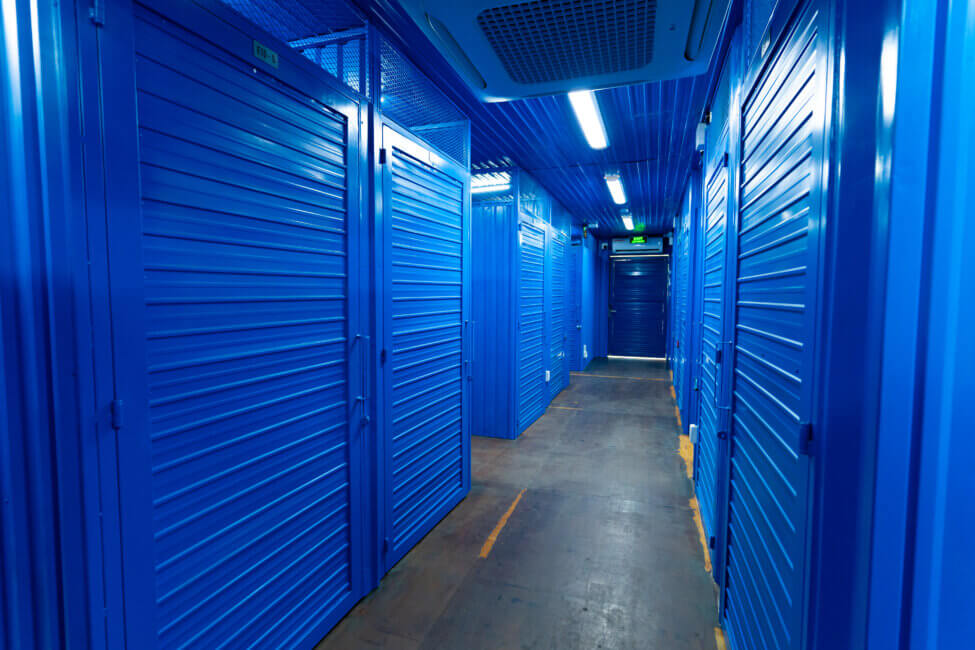
Welcome to Unit 03, offering 1.2 cubic meters (CBM) of versatile, premium, climate-controlled storage space which typically accommodates around 7-10 medium-sized moving boxes or one large suitcase plus several smaller document boxes, making it suitable for a variety of your storage needs.
Welcome to Unit 02, offering 1.8 cubic meters (CBM) of versatile, premium, climate-controlled storage space which typically accommodates around 11-14 medium-sized moving boxes or a couple of large suitcases and a few personal effect boxes, making it suitable for a variety of your storage needs.
Welcome to Unit 01, offering 2.0 cubic meters (CBM) of versatile, premium, climate-controlled storage space which typically accommodates around 12-16 medium-sized moving boxes or a couple of large suitcases plus some smaller bags, making it suitable for a variety of your storage needs.
Furniture storage is a lifesaver when you’re between homes, renovating, or traveling. More people now turn to small storage rentals for clean, secure, and affordable space. With prices starting from 70,000 VND/month for self-storage and 400,000–2,215,000 VND/month for shared units (4–5m²), it’s a practical choice for both individuals and furniture businesses with limited showroom space.
This guide covers when to use furniture storage, how to choose the right size, and how to get the most value for your budget.
When You Need Furniture Storage
Life often puts us in situations where we need furniture storage. Let’s look at common scenarios that might help you plan better and choose the right furniture warehouse storage solution.
Moving to a New Home: Relocating often requires temporary storage. About 26% of users rent storage while moving between properties. It helps you declutter for home staging and move at your own pace instead of rushing in one day. If your new home isn’t ready or your mortgage is delayed, furniture storage keeps your items safe and accessible until you settle in.
Renovating Your Space: Renovations can be messy, with dust, paint, and heavy work equipment putting furniture at risk. Climate-controlled storage units protect your items during upgrades and give workers more room to operate efficiently.
Traveling or Working Abroad: Expats and long-term travelers often need furniture storage when overseas homes are already furnished. Instead of selling or burdening friends, you can store your belongings safely and retrieve them when you return.
Renting Out Your Home: If you list your property on vacation rental platforms, removing personal items helps guests feel more comfortable. Off-site furniture storage keeps valuables and family items secure while making your home more appealing to renters.
Types and Sizes of Storage Units
Picking the right unit size is significant to protect your furniture and save money. Furniture storage facilities give you many options that fit everything from small boxes to entire households.
Extra small units: to store boxes and small items
Extra small lockers (60×60 cm to 1.5×1.5 m) are perfect for light storage. Think of a hall closet — ideal for seasonal décor, documents, or sports gear. A 1.5×1.5 m storage locker fits up to 10 large carton boxes, a twin mattress, or a small desk. Businesses use these mini units for files or office supplies.
Small units: to store personal belongings
Small storage units (1.5×1.5 m to 1.5×3 m) offer around 2.5–4.5 m², similar to a walk-in closet. Perfect for personal items during moves or seasonal changes. A 1.5×3 m unit fits a studio apartment’s furniture — mattress, TV, dresser, and about 20 boxes. Ideal for students or renters needing short-term storage.
Medium units: to store 1-2 room furniture
Medium units (2.3×3 m or 3×3 m) give around 9–10 m², enough for one or two bedrooms. A 3×3 m unit holds up to 40 carton boxes plus large pieces like a bed set or dining table. Balanced between space and cost, this size suits home renovations or temporary moves.
Large units: to store full household items
Large units (3×4.5 m to 3×7.5 m) offer 14–22 m² — roughly the size of a garage — and fit contents from a two- or three-bedroom home. Perfect for big furniture sets, appliances, and boxes during moves or remodels.
Extra large units: to store business or bulky items
Extra large units (3×9 m and above) provide 27 m² or more — about the size of a parking space. They store 4–5 bedroom homes, vehicles, or business inventory. Some facilities even offer custom sizes (4.5×7.5 m, 6×10 m) for warehouse-style storage.
These furniture storage size options help you pick the most budget-friendly solution for your specific furniture storage needs.
Who Can Benefit from Furniture Storage
Furniture storage solutions help people from all walks of life deal with their space challenges and life changes. People need these flexible services when they move temporarily or run out of space at home.
Homeowners and renters
Both homeowners and renters gain from using furniture storage to keep spaces neat and organized.
Sellers can declutter homes to attract buyers and boost sale prices.
Renters benefit during lease gaps or moves to smaller apartments.
City dwellers can store seasonal or rarely used items to maximize limited space. Those who rent out their homes can also use storage to safeguard personal belongings and present a cleaner, more neutral living space.
Students during semester breaks
Students often rely on storage during semester breaks or internships. Compact units (like 5×5 or 5×10) are cheaper and more secure than moving items between home and campus. It’s also convenient for parents—no more overflowing garages or spare rooms full of dorm stuff.
Small business owners
Small businesses such as online shop, use furniture storage to manage inventory, equipment, or documents without paying for larger offices. It’s a cost-effective way to stay organized and protect assets.
Families with growing space needs
As families grow, so do their storage needs. Furniture storage helps them keep homes tidy by rotating seasonal items and storing outgrown kids’ belongings.
It’s also ideal during major transitions—like welcoming a new baby or elderly parent—allowing families to adapt without losing living space.
How the Storage Process Works
The process of storing your furniture is now simpler than ever. Modern services have transformed a complex task into four easy steps.
Step 1: Request a quote or consultation: Start by contacting the provider via website, phone, or email to get a quote. You’ll share what you plan to store and how much space you’ll need. Many offer online space calculators for quick estimates. Quotes usually remain valid for about two weeks and may vary by location.
Step 2: Schedule pickup and packing: Once you confirm, set a pickup date—often available the next day. Full-service teams can dismantle, wrap, and pack your furniture for storage. Clean and dry all items beforehand to prevent stains or mold.
Step 3: Transport and secure storage: Depending on the service, you can bring your items yourself or have them picked up. Reliable facilities use weatherproof, steel containers with 24/7 security and climate control to protect furniture from humidity and temperature changes.
Step 4: Retrieve items when needed: When you need your furniture back, simply schedule a delivery online. Most services return items within two business days, handled by professional movers to ensure safe delivery right to your door.
Professional movers can bring your furniture from furniture storage to your doorstep within two working days. They handle the delivery with the same care they used to pack and store your items.
Choose & Prepare the Right Storage Space
Selecting a good storage facility is the first step. Look for clean, dry units with controlled humidity (around 40–60%) and stable temperatures (about 10–15 °C). Use thick plastic sheets on floors, keep furniture off the ground with pallets, and avoid direct sunlight or damp areas. Don’t use sealed plastic wraps; instead, opt for breathable covers and proper ventilation to prevent mold. Regularly check for pests, leaks, or damage, and maintain a clean inventory and records.
Before moving in:
Clean and fully dry every surface (wood, metal, upholstery, leather).
Disassemble large pieces when possible, and label fasteners in zip bags.
Wrap items using blankets, bubble wrap, and cardboard—extra protection for edges and glass.
Apply anti-rust oil to exposed metal parts.
Use pallets or raised platforms to protect from moisture.
Organize & Monitor During Storage
Proper stacking and layout preserve your furniture while maximizing space. Place heavy items at the base, avoid overstacking, and leave small gaps to prevent scratching. Use a “Tetris” method for efficient packing, and secure taller stacks when needed.
Ongoing care is essential:
Opt for storage insurance for high-value pieces.
Visit your unit regularly (monthly or seasonally) to air it out and inspect for pests, leaks, or mold.
Keep a detailed checklist: item descriptions, photos, locations, and condition notes.
With thoughtful planning and consistent upkeep, your furniture stays safe and beautiful until you’re ready to bring it back home.
Benefits of Using a Storage Service
Professional services give you more than just extra space. Learning about these benefits helps you get the most value when you use furniture storage for your belongings during moves or transitions.
Safe and climate-controlled environment
Quality facilities protect your belongings in specialized environments. Climate-controlled units keep temperatures steady between 65-85 degrees Fahrenheit. These ideal conditions at furniture storage shield your wooden furniture, leather items, and antiques from warping, mold growth, and material damage that can happen with extreme temperatures and humidity changes.
Premium furniture storage facilities come with advanced security features that include:
24/7 video surveillance systems
Individual unit alarms
Sophisticated fire detection systems
Controlled access points
These features of furniture storage protect your items from theft, fire, and environmental damage. You can rest easy knowing your possessions are safe in furniture storage.
Flexible rental terms
Furniture storage services are more flexible than traditional leasing arrangements. You can rent storage units month-to-month without long commitments and adjust your storage time as needed. Many storage providers let you switch between different unit sizes as your storage needs change. This means you never pay for space you don’t use.
Affordable compared to larger spaces
Self-storage is more economical than renting larger commercial or residential spaces if you have a business or home. Furniture storage space costs less than expanding your home or office to store items you rarely use. Most facilities have clear pricing without hidden fees and give upfront quotes.
Convenient pickup and delivery options
Modern shared storage services now offer on-demand collection and delivery. Professional teams take care of everything from taking apart furniture to packing, moving, and delivering it back from furniture storage. Online portals let you manage your inventory, ask for specific items back, and schedule deliveries anywhere. You won’t have to deal with moving heavy items or transporting them to and from furniture storage yourself anymore.
Self-storage provides custom solutions that work for many situations. Homeowners getting ready to sell, students between semesters, or businesses managing inventory can all benefit from furniture storage. Modern providers have optimized the four-step process from requesting quotes to retrieving items to cut down on hassle.
Storage Ho Chi Minh City: Expert Guide to Best Locations (2025)
The market for storage Ho Chi Minh City has seen remarkable development in recent years. Expanding trade between regions and countries is the main driver of this growth. Rental prices have reached new record highs of 106 USD/m² per cycle – an impressive 10% jump from last year. The city’s rental storage market offers plenty of options for businesses. Our 2025 guide to storage in Ho Chi Minh City will help you navigate the warehouse and factory options available. You need to understand this specific market before choosing rental services. This applies whether you’re looking for cold storage facilities maintaining temperatures from -20°C to 20°C or other standard types of facilities within the local storage services.
Vietnam’s logistics sector shows promising growth potential. The country’s projected GDP growth rate of 6.8% strengthens this outlook. Ho Chi Minh City is attracting more businesses needing warehousing solutions, especially local storage services. Rental prices in this sector range from 2.6 to 4.6 USD/m², based on location and facility features.
Overview of the Storage Ho Chi Minh City Market
Ho Chi Minh City leads Vietnam’s rental storage market with an impressive 94% occupancy rate in Q1 2025. The warehousing sector, particularly for storage solutions in Ho Chi Minh City, has changed the industrial real estate map in Southern Vietnam. Companies now have a greater need for storage solutions than ever before, making it crucial to understand this dynamic market.
Why demand for storage Ho Chi Minh City is rising in 2025
The Ho Chi Minh City storage market continues to grow strongly. Industrial land rents in southern Vietnam are expected to increase by 3-7% annually. Rents for ready-built warehouses, a part of this market, are likely to rise by 1.8% annually. These figures indicate the desire of foreign companies to expand their production facilities in the region, driving the demand for these storage solutions.
CBRE Vietnam predicts that prices for storage facilities in Ho Chi Minh City and factories in the south will rise by 0-4% annually for the next three years. Recent data supports this – local storage rents increased by 4.7% to about 117,000 VND per square meter monthly.
The southern logistics market, especially the HCMC storage segment, accelerated with 19,600 square meters of net absorption in Q4 2024. The total leased area for these facilities reached 199,500 square meters – a 40% increase compared to 2023. Early 2025 saw 160,000 square meters in net absorption, suggesting a strong recovery in the ready-built rental warehouse sector. This figure jumped 3.5 times compared to Q4 2024 and the same period last year.
The region maintains high occupancy rates for storage. Ho Chi Minh City projects achieve a 94% occupancy rate, while Binh Duong reaches 90.7%. Ba Ria-Vung Tau records 86.85% for warehousing services, Dong Nai 77.72%, and Long An 54.66% amidst the growing demand for such facilities.
The shortage of warehouse space is pushing the demand for storage in Ho Chi Minh City higher. Experts believe industrial park occupancy here will hit 95% by 2025, with prices for these solutions increasing by another 15%. The market is expected to gain over 1.2 million square meters of ready-built warehouses between 2025 and 2027. Long An and Dong Nai will lead this new supply for the local market at 42% and 38% respectively.
Key industries driving warehousing needs for the storage Ho Chi Minh City market
These major sectors are accelerating the warehousing boom and the demand for storage Ho Chi Minh City:
E-commerce growth: Vietnam’s e-commerce sector is growing by 16-30% annually, with gross merchandise value (GMV) jumping 52.9% last year. Vietnam is now Southeast Asia’s third-largest e-commerce market. The industry is expected to reach USD 52 billion by late 2025, growing at an average of 29% from 2020-2025. This digital retail boom creates huge demand for storage services in Ho Chi Minh City in key locations.
Manufacturing and export industries: Import-export turnover in the first seven months of 2024 rose 17.1% year-over-year, as exports grew 15.7%. Companies are now choosing Vietnam’s international logistics hubs to cut costs, which also increases the demand for storage facilities in Ho Chi Minh City.
Cold storage facilities: Vietnam’s demand for cold storage, a significant part of the Ho Chi Minh City storage market, is projected to expand by about 70% by 2028. Seafood exports and fresh goods drive this growth.
Technology and semiconductor sectors: Major tech companies are setting up shop in Vietnam due to its prime position in the global supply chain. NVIDIA’s R&D centers boost high-tech zones and industrial property values, including the local storage segment.
Modern warehouses and factories from developers like Frasers, Logos, and IDEC offer advanced infrastructure and security systems to meet industry standards for the HCMC storage market.
Companies moving production from China to Vietnam need more warehouse space around Ho Chi Minh City, increasing the heat on the local storage market. They aim to take advantage of Vietnam’s lower labor costs and business-friendly environment.
Types of Storage Available for Rent in the storage Ho Chi Minh City service
The storage market in Ho Chi Minh City offers storage options to match any business need. Companies can choose from temperature-controlled spaces to self-service facilities based on what they need to store and their budget for these solutions.
Shared warehouses
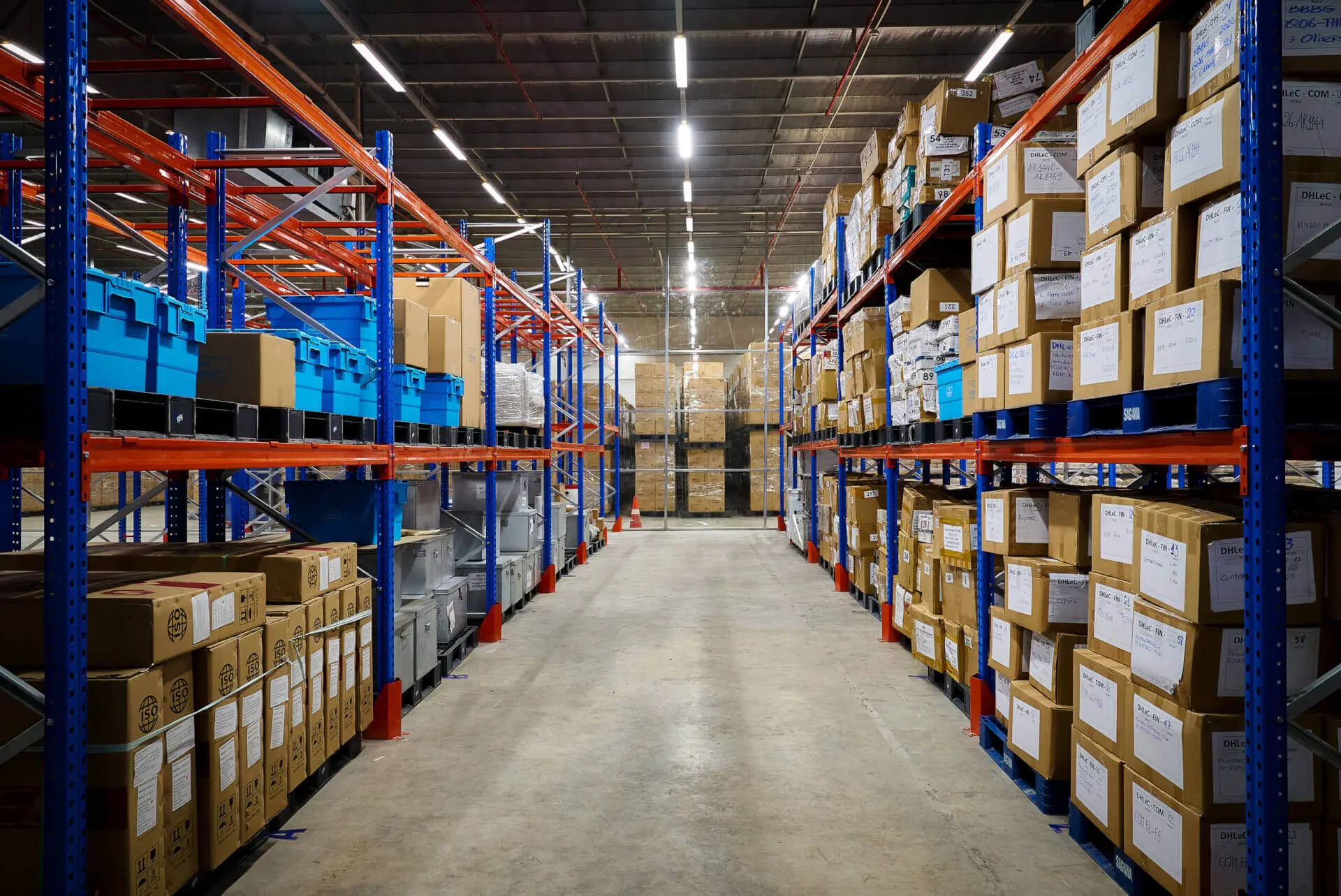
In the storage sector of Ho Chi Minh City, shared warehouses allow multiple businesses to store their goods in one place affordably. This setup helps companies reduce expenses and simplifies paperwork. Each tenant gets their own space in the facility, so goods don’t mix with other customers’ items.
This type of warehouse works best if you need short-term storage when looking for facilities in the city. Companies like Kho Cube operate these and ensure they meet everyone’s needs for price, quality service, and security. Businesses that need to store large items like furniture, equipment, and other goods find this option helpful since they don’t have to manage the facility themselves.
Self-managed warehouses
Self-managed warehouses have become popular among the storage options in Ho Chi Minh City. Tenants get their own units with private locks and can access their goods whenever they want. The units come in different sizes, starting at 1.4m² (3.4m³), and can be customized for bigger storage needs.
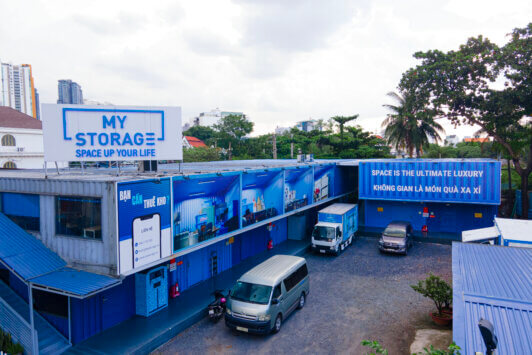
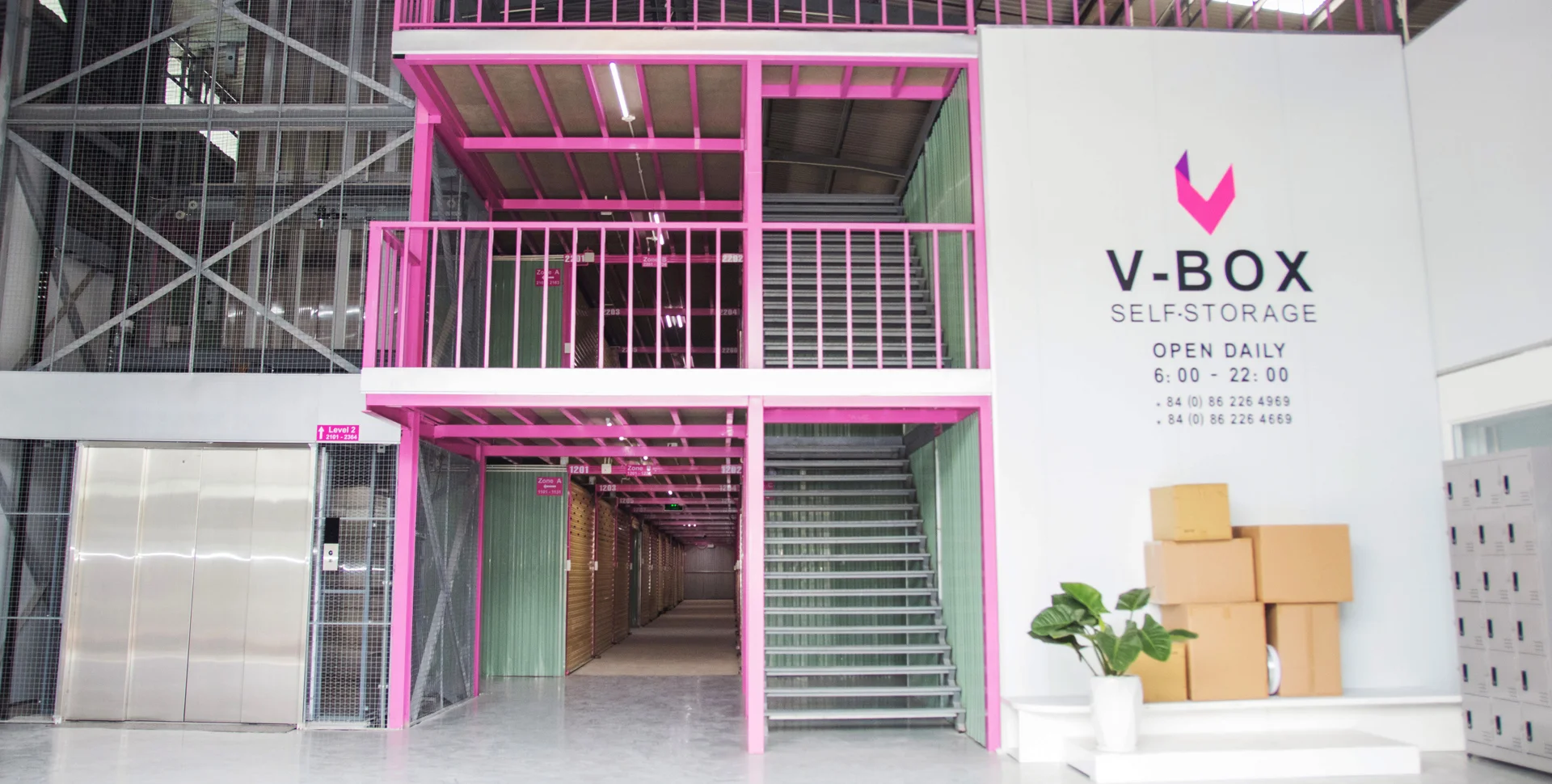
MyStorage and V-Box provide both regular and air-conditioned units starting at 1,386,000₫ monthly, a noteworthy option when seeking storage solutions in the city. Security cameras and guards watch these spaces around the clock to keep valuables safe. Some of these warehouses can even work as backup office spaces, with clean, roomy areas where you can set up workstations.
Cold storage
Cold storage, an important option when considering storage Ho Chi Minh City, keeps temperature-sensitive items fresh. These special warehouses use advanced computer systems to control the temperature precisely. Ho Chi Minh City’s cold storage options within its services come in three temperature ranges:
Frozen storage (-25°C to -18°C): Perfect for frozen food and ingredients
Cold storage (0°C to 10°C): Works well for dairy, wines, and certain pharmaceuticals
Cool storage (18°C to 25°C): Great for packaged food, cosmetics, pharmaceuticals, and electronics
Hoang Lai Group runs modern cold storage systems that can hold over 50,000 tons across 11,545m². Their facilities use advanced loading equipment, computerized inventory tracking, and remote temperature monitoring. Cold storage costs more to run and maintain, but businesses handling perishable goods need this type of facility.
Mini warehouses
Ho Chi Minh City storage services also include mini warehouses, helping individuals and small businesses that need compact storage. These units stay clean, well-lit, and are built strong. Security cameras and staff keep watch to make sure stored items stay safe.
This mini type of storage service appeared recently in Ho Chi Minh City and quickly gained popularity as the population grew denser and people needed more mobility. Mini warehouses work great for people living in apartments, those renovating homes, or anyone who needs extra space temporarily. SEC Warehouse offers mini self-managed units starting at 5m², built like secure kiosks with rolling doors and private keys.
Document storage
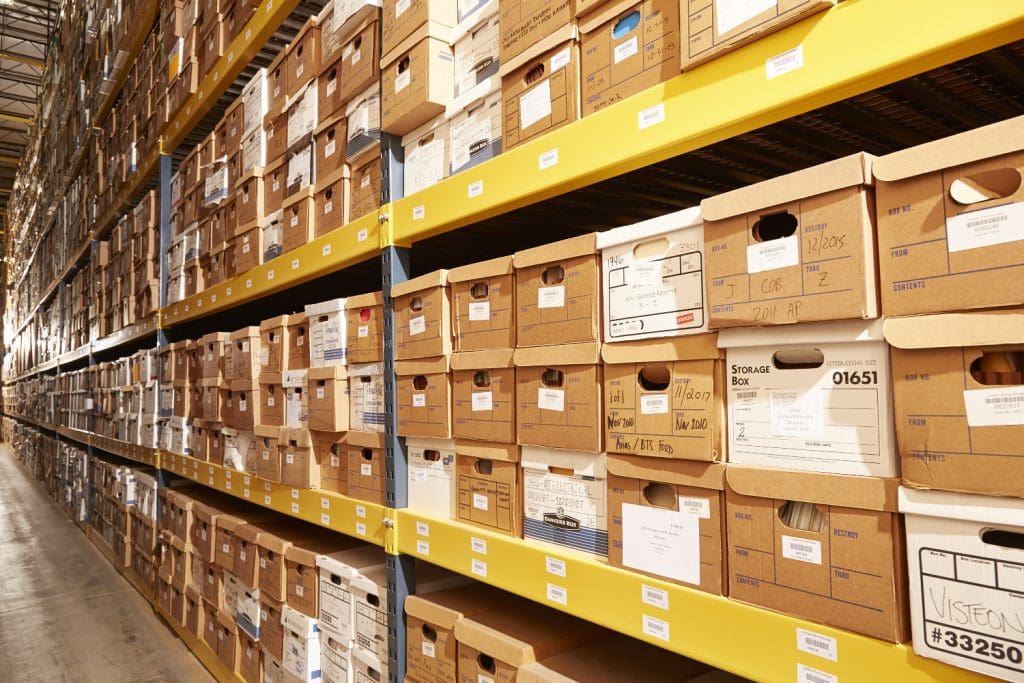
Document storage services, a niche in the local storage market in Ho Chi Minh City, help businesses struggling with office space, tight budgets, and document management. These facilities sort, arrange, retrieve, and destroy documents when needed.
SEC Warehouse’s facilities have good ventilation and special shelving systems with document boxes that make storage and retrieval easy. They track inventory, get documents quickly (as originals or scanned copies), and guarantee complete privacy. The warehouses use fire protection, 24/7 cameras, and regular pest control to keep records safe, an important factor in this specialized storage service.
Top Locations when seeking storage Ho Chi Minh City services
Your choice of location for storage in Ho Chi Minh City will substantially affect your business operations and how well your logistics work. A smart location helps you cut transportation costs, deliver faster, and run your supply chain better when using these storage services. Let’s take a closer look at the best spots in the metropolitan area.
District 7 – Near export zones
District 7 has several premium warehouse facilities, with Tan Thuan Export Processing Zone (EPZ) being a standout choice when looking for storage solutions in Ho Chi Minh City. This spot gives businesses exceptional connectivity to key urban and industrial areas throughout the city. Factory E in Tan Thuan EPZ offers modern facilities when you need quick access to major transportation routes and business districts.
You’ll find warehouses of different sizes here suitable for your needs. Tan Thuan EPZ’s facilities offer around 4,000m² at better rates than other local options. Sotrans Logistics, another tenant in Tan Thuan EPZ, stands out because it offers flexible rental terms, up-to-date facilities, and quick transportation access—perfect if you need adaptable storage options.
The Tan Thuan Port Branch of Saigon Port runs bonded warehouses in this district, which are great for international trade operations and specific Ho Chi Minh City storage needs.
Thu Duc City – Tech and logistics hub
Thu Duc City has grown into a vital tech and logistics center, greatly impacting the storage market of Ho Chi Minh City since it became its own administrative unit. Linh Trung Ward offers various factory units within the local portfolio. Warehouses in this area give businesses strategic advantages thanks to their central spot in Ho Chi Minh City’s growing eastern corridor.
Toan Phat Logistics runs warehouses in central Thu Duc that cut down transportation time by linking quickly to major routes like Hanoi Highway, National Highway 1A, and Long Thanh – Dau Giay Expressway. These facilities come with:
Space that adapts to different business needs
Round-the-clock security and professional management
Easy container access and smooth transportation
Tan Binh – Central and available
Storage options in Tan Binh District, Ho Chi Minh City, shine because of their proximity to Tan Son Nhat International Airport—a huge plus for businesses that rely on air cargo. The Tan Binh Warehouse Complex on Cong Hoa Street offers good prices and various storage unit sizes to fit different needs.
This district’s central spot makes it a great hub for city-wide distribution, which really helps when you need to reach customers quickly across Ho Chi Minh City via its storage services.
Binh Chanh – Affordable and spacious
Binh Chanh District offers budget-friendly storage choices in Ho Chi Minh City while keeping good connections. The district connects to several key areas: District 7 and Nha Be district to the east, District 8 and Binh Tan District to the northeast, and Long An province to the west and south.
Right now, you can get warehouse space in Binh Chanh for about 80,000 VND/m², which beats prices in more central districts. One good example is a 1,100m² warehouse that goes for around 2,000 USD monthly in an industrial area, a competitive price for storage in this area.
Long An – Industrial zone proximity
Long An province has become part of the greater Ho Chi Minh City storage and factory market even though it’s technically outside the city. This is thanks to its great connections and lower costs. Modern ready-built warehouses in Phu An Thanh Industrial Park put you close to Ho Chi Minh CBD (37 km), Tan Son Nhat International Airport (38 km), Cat Lai Port (45 km), and Cai Mep Port (49 km), expanding options for these facilities.
These Grade A warehouses in this category here offer impressive features:
Clear heights of 7.5-10.5 meters
Automatic sprinkler systems
Leasable areas from 2,560-15,360 m² per unit
The storage market near Ho Chi Minh City, in Long An, has grown quickly because of better transport infrastructure and more industrial zones. Big projects like the Ben Luc—Long Thanh expressway and Ring Road 3 and 4 have sped up development, making local storage services more attractive here.
The area now has 37 industrial zones covering more than 12,285 hectares, which gives businesses plenty of options to choose from.
How to Choose the Right Storage Ho Chi Minh City Service for Your Business
Choosing the perfect warehouse takes more than just looking at prices. The Ho Chi Minh City storage market needs a step-by-step approach to find facilities that match what your business needs when looking for solutions in this area.
Define your storage needs
When considering storage solutions in Ho Chi Minh City, requirements are the life-blood of smart warehouse selection. You should review the space needed for current operations first. Think about future growth too – moving later can get pricey. Different products need their own storage setup. Food items need pest control, machinery requires stronger floors, and perishables often need temperature controls when using these services.
Here’s what to think about for storage when you’re looking for facilities in the city:
How much inventory you have now and expect later
What your goods need (temperature, humidity, etc.)
Space for loading, packaging, and staff to move around
How inventory levels change with seasons
Evaluate location and accessibility
For storage in Ho Chi Minh City, location affects your transportation costs and delivery times. A warehouse near highways, national roads, airports, or seaports will give a smoother cargo flow and lower logistics costs. Look for facilities with convenient transportation connections that work for your business model and local storage needs.
Site surveys will give you a full picture of environmental risks. Some Ho Chi Minh City areas flood during rainy seasons. This can damage your stored goods and stop operations. Break down the terrain information before you sign any rental warehouse agreement.
Check infrastructure and security
A good warehouse and factory in the HCMC storage system needs resilient structural elements that maximize storage space and help efficient movement. The floor quality matters – it should be reinforced concrete that handles heavy loads without problems. Poor flooring creates safety risks and extra repair costs.
Safety infrastructure is just as crucial. Basic facilities must have fire alarms, extinguishers, emergency exits, and fire hoses. Complete security systems with 24/7 cameras, security staff, and controlled access are essential to protect your inventory when using these services.
Consider rental flexibility and terms
The dynamic business environment in Ho Chi Minh City makes flexible rental terms valuable. Read contract details carefully and ask local service providers (warehouse rental services) about anything unclear. Watch for rent increase clauses, renewal options, and how to end the contract.
Look beyond the basic rent. Add up extra costs for warehouse management, security, loading/unloading, maintenance, and other logistics services related to these facilities. Short leases help you adapt to changing storage needs. Long-term contracts usually mean better rates and stability. You’ll minimize risks by choosing an experienced provider in Ho Chi Minh City that serves large businesses.
Average Storage Ho Chi Minh City Costs and What Affects Pricing
The financial aspects of storage in Ho Chi Minh City involve base rental costs and several pricing factors. Rental rates change based on warehouse features, where they’re located, and what services they offer.
Cost by warehouse type
When considering storage options in Ho Chi Minh City, different warehouse categories come with varying price points. Standard ready-built warehouses (RBW) will cost around VND 114,366 per square meter monthly at the start of 2025. Premium facilities cost more, ranging from VND 139,781 to 152,489 per square meter monthly.
Specialized storage needs within the city’s services come at higher prices:
Cool storage (18-25°C): About VND 250,000 per cubic meter monthly
Cold storage (-10°C to 10°C): Higher rates apply for frozen food storage
Document storage: Starts at VND 130,000 per cubic meter monthly or VND 20,000 per container bin
Mini warehouses that you manage yourself, part of the local service offerings for Ho Chi Minh City storage, offer flexible terms. Their prices depend on size and features like air conditioning.
Impact of location on pricing
Location plays a big role in rental rates for storage facilities in Ho Chi Minh City. Central areas cost more than outer districts. Right now, you can rent warehouses in Binh Chanh District for about VND 80,000 per square meter. This price offers great value compared to central districts when seeking storage solutions.
The southern region’s tier 1 markets maintain stable industrial land rental rates at VND 4,803,403 per square meter. These rates grew 2.4% year-over-year. Experts predict 3-7% yearly increases ahead, showing strong demand for storage across Ho Chi Minh City and the wider region.
Additional service fees to consider
The total cost of storage in Ho Chi Minh City includes many extra charges beyond the base rent:
Management service fees: Premium facilities often include these
Utilities: Water costs VND 9,911 per cubic meter with wastewater at VND 5,082 per cubic meter
Loading/unloading: Costs about VND 50,000 per cubic meter
Operational surcharges: Late hours cost 150-300% more
Smart budget planning for these services should include electricity use, maintenance, insurance, and taxes. Some providers package their services together. They might include cargo insurance, pallet usage, and PE wrapping in the base price. This could save money even with higher upfront costs.
Prices for ready-built warehouses for storage in Ho Chi Minh City should see modest growth of 1-4% yearly through 2027.
Future Trends in Storage Ho Chi Minh City Services (2025 and Beyond)
Vietnam’s warehouse sector has undergone a remarkable technological development that transforms how businesses approach storage solutions in Ho Chi Minh City through 2025 and beyond. New trends are reshaping the industry as it adapts to market needs.
Smart warehouse technology adoption
AI implementations will boost logistics sector productivity by over 40% by 2035. Warehouse facilities in the Ho Chi Minh City storage system now integrate Internet of Things (IoT) devices that track inventory live and provide useful information about product conditions.
These smart warehouses and factories in the local sector utilize several advanced technologies:
Cloud-based management systems that enable remote monitoring from any device
Robotics solutions including Automated Guided Vehicles (AGVs) and mobile robots
Big data analytics to optimize inventory management and forecast demand
Vietnam’s ready-built warehouses, part of the HCMC storage market, have achieved impressive occupancy rates of 72% in Q1 2025, showing a year-on-year increase of 14 percentage points.
Increased demand for cold storage
The cold storage market, a key segment of storage in Ho Chi Minh City, shows unprecedented growth. Experts predict it will reach USD 7,497,375.93 million by 2025 with a strong 12-percentage-point annual growth rate. The sector specializing in cold storage locally remains nowhere near saturated, with only 48 cold storage warehouses operating nationwide according to recent data.
Seafood export businesses and growing domestic preference for fresh produce drive this surge in demand for this type of Ho Chi Minh City storage solution. Most facilities are located in Southern Vietnam near the Mekong Delta, creating perfect conditions to store and transport fresh agricultural products.
Flexible rental models for SMEs
Small and medium enterprises looking for storage services in Ho Chi Minh City benefit from new rental approaches that match their specific needs. Small businesses used to avoid dedicated warehousing because of high setup costs—cold storage warehouses cost two to three times more than regular facilities when seeking these solutions.
Notwithstanding that, cloud-based solutions have made warehouse management systems in the local service more available. These platforms offer customization options that meet specific business requirements and provide the adaptability needed for growing operations.
The future of storage services in Ho Chi Minh City (warehouse rental services) depends on technological progress, specialized storage solutions, and flexible approaches that work for businesses of all sizes.
Conclusion
The storage Ho Chi Minh City market has become a vibrant space full of opportunities for businesses of all sizes. This piece explores the world of storage in the city, from picking the right location to managing costs. The strength of the sector shows in the 94% occupancy rates at prime locations.
Your business’s specific needs should guide your choice of storage in Ho Chi Minh City. The city provides many options that match different operational needs. These range from specialized cold storage units that maintain temperatures between -25°C to 25°C to flexible mini warehouse solutions.
The right location plays a key role in selecting storage solutions in Ho Chi Minh City. District 7 stands close to export zones, while Thu Duc City has emerged as a tech-logistics center. Companies that want to save money when seeking storage might look at Binh Chanh or Long An, even though they sit farther from central districts.
Ho Chi Minh City storage prices will keep climbing steadily. Experts project yearly increases of 3-7% for industrial land and 1.8% for ready-built warehouses. Smart businesses planning to stay long-term should try to negotiate better rates now.
Smart warehouse technologies and IoT solutions will soon change how companies handle their inventory and operations in the local storage field. The cold storage sector looks particularly promising, with demand for this type of facility set to grow 70% by 2028.
Thorough research on storage options in Ho Chi Minh City before signing any rental agreement can save you trouble later. Take time to evaluate your storage needs, location choices, and budget limits. This approach will help you find the perfect storage solution in Vietnam’s busiest commercial hub.
How to Store Documents Like a Pro: Expert Guide to Document Management and Effective Document Storage
Did you know businesses need an extra 20-50 square meters of space each year just for paper document storage? Space requirements are just one of many challenges companies face with file management. Document retention periods last at least 5 years, impacting your strategy. Some records need permanent storage. This makes document preservation crucial to business operations. On top of that, proper document classification helps you find and maintain files quickly.
Your documents need special care. Physical papers require specific temperature (20±2°C) and humidity (50±5%) conditions. Digital systems need OCR search features. Effective document management goes beyond basic filing. Industry standards like ISO 15489 can help your system match international best practices.
In this piece, we’ll show you everything you need to know about creating and maintaining an efficient way to store documents. We’ll share practical tips to help you organize physical spaces and set up secure digital solutions. These tips will help turn your document chaos into an available resource that works smoothly.
Identify Your Document Management Goals
Your document management system needs clear objectives as the first vital step to manage information well. Office workers waste nearly five hours every week looking for digital documents, which adds up to 28 days per year according to a 2012 IDC study. These numbers express why you need specific goals for your document storage strategy before you set up any system.
Identify Your Document Management Goals
You should define what you want to achieve with your document management approach before exploring storage solutions or software. Projects often fail when organizations implement tools and processes without clear objectives that address their specific challenges.
Reduce clutter and improve access
Digital clutter can hurt productivity just like physical clutter. Employees feel more stressed and anxious when they see constant reminders of disorganization. This disorganization also cuts into your profits through wasted time and reduced efficiency.
Think about these specific document management goals to curb these problems:
Decrease search time: Want to cut document retrieval time by a specific percentage (e.g., 30%) through consistent folder structures and naming conventions.
Streamline workflows: Create an automated document retrieval system that optimizes efficiency within a defined timeframe (e.g., two months).
Improve mental well-being: Clean digital workspaces reduce cognitive overload. Employees can focus on important tasks instead of getting distracted by digital chaos. “Being specific is important,” notes one expert document management guide. “Are you trying to help users find documents more quickly? Save on document storage costs? Improve collaboration? Re-engineer manual processes?”.1 Your answers to these questions will shape how you approach document classification. A logical folder structure makes it much easier for employees to file and locate documents. They feel less stressed and frustrated while gaining control over their work environment.
Ensure compliance and security
Document management does more than boost efficiency – it protects and ensures compliance. Many industries must follow strict regulations about data retention and disposal. Laws like HIPAA, FACTA, and GDPR require businesses to dispose of records securely after certain periods.
Your document preservation goals should cover:
Regulatory compliance: Follow industry standards, legislation, and data privacy regulations through proper documentation.
Risk management: Set up security measures and controls to find, interpret, and prepare for potential data breaches.
Audit readiness: Keep detailed records of information security policies, access controls, and risk assessments to show compliance during audits. Many organizations see documentation as “a necessary evil that soaks up time and resources without offering apparent value”. Good document management turns documentation into a strategic asset that builds operational excellence and organizational resilience. A resilient security infrastructure based on well-documented protocols helps protect your information’s confidentiality, integrity, and availability. Clear disaster recovery procedures help restore operations after cyberattacks or system failures, which reduces recovery time and minimizes lost revenue. You should determine the metrics and key performance indicators (KPIs) to measure progress before implementing any document management solution. Set a baseline to compare against your current system. You might find that processing an invoice takes 10 minutes with your current system but only two minutes with digital document management. Clear objectives from the start create a roadmap that arranges your document management strategy with your organization’s broader business goals. This approach changes what could be a tedious administrative task into a powerful business advantage.
Audit and Categorize Existing Documents
Your document management goals set the stage for the next big step – a full picture of your existing documents. This inventory reveals the gap between what you have and what you believe you have, laying the groundwork for a system that works.
Audit and Categorize Existing Documents
Document auditing goes beyond simple file counting. Organizations need to grasp their information’s types, formats, and value. Research shows enterprises now face “a veritable flood of data” and need automated document categorization to handle it properly. Document classification stands as “one of the most important steps in data analysis” as daily data generation keeps growing.
Group by type, date, or department
Document classification helps manage large file volumes with logic and consistency. Here are some proven methods to group your existing documents:
Content-based categorization: Subject or topic-based categories (marketing materials, research papers, technical documentation).
Characteristic-based categorization: Format, metadata, or attribute-based organization (confidentiality level, file type).
Purpose-based categorization: Categories based on document use (training manuals, compliance documents). Your industry and organization’s structure determine the best approach. Legal teams often prefer case-based grouping, while marketing departments lean toward campaign-based organization. Date-based categorization needs careful planning. File Explorer offers basic options. Advanced document management systems provide better flexibility with exact dates, relative dates, month/year groupings, and year-only options. This flexibility helps handle time-sensitive documents and track creation across different periods. Department-based categories align with your organization’s structure. Teams can control access and simplify their workflow this way. Expert sources suggest you can “use cloud workspaces and portals to categorize documents by department or project, making it easier to manage permissions and cooperate on files”.
Document classification by retention period
Document retention periods form a crucial part of categorization. Vietnamese regulations specify varying retention times based on document types and importance.
Circular 10/2022/TT-BNV, effective February 15, 2023, defines retention periods as “the necessary timeframe to store files and documents, calculated from the year when work is completed”. This new regulation updates the 2011 guidance with several key changes.
Vietnamese law splits documents into two retention categories: Permanent retention documents and Time-limited retention documents. Clear subcategories help manage specific timeframes. For example, corporate finance documents like accounts payable need 7-year retention, while annual financial statements require permanent document storage.
Vietnamese regulations now specify updated retention periods for planning correspondence, staff development files, and procurement files.
Good categorization boosts operational efficiency and ensures compliance. Document management experts emphasize that “The quality of the tagged dataset is the most important component” of classification systems. Time spent on thorough auditing and categorization leads to better access and regulatory compliance throughout your document’s life.
Choose Between Physical and Digital Storage
Your document management strategy depends on choosing between physical and digital options. After you audit and sort your documents, you’ll need a document storage solution that works best for your needs.
Choose Between Physical and Digital Storage
Pros and cons of each method
Traditional paper filing systems still matter in today’s digital age. Digital options are popular now, but physical document storage has its own strengths:
Physical Storage Advantages:
Offers concrete security without cyber threat risks.
Works without technology.
Keeps historical documents authentic and authoritative.
Meets legal requirements for “wet ink” signatures in certain industries. In spite of that, physical storage has major drawbacks. Paper documents take up space—businesses typically use 20-50 square meters each year just for this purpose. Paper files can also get damaged by natural disasters, environmental factors, or stolen. Digital document storage has changed how organizations handle information through electronic systems. Here are its main benefits: Digital Storage Advantages:
Quick and easy document retrieval through metadata tagging and search.
Access from anywhere with internet, which helps remote work.
Saves physical space, so businesses can use office space differently.
Better security with encryption, backups, and access controls.
Helps the environment by using less paper. Digital solutions aren’t perfect though. These systems rely heavily on technology, which means they can face connection problems, hardware issues, and data breaches. You also need regular updates to keep the system current. “When comparing physical document storage to digital options, it’s clear that digital document storage offers numerous advantages over its traditional counterpart,” according to an industry report. The right choice comes down to what your organization and documents need.
When to use hybrid storage
Many organizations get the best results by combining both methods into a hybrid approach. Document storage management experts say, “Both physical and digital archiving are essential in the archival world and best support the functions of museums, libraries, businesses, and historical societies when they are deployed together”.
Hybrid storage works best when:
Legal compliance requires original documents.
Document types have varying requirements.
Budget constraints limit full digitization. One expert points out, “Digitizing all your documents in one go could result in a large capital outlay. This is where hybrid records management can help”.
Transition periods require dual systems. “Scan-on-demand” has become a popular hybrid approach. This method “starts by physically archiving the documents, organizing, and storing them in a dedicated space… Then, whenever a document is needed, that document is digitized and stored electronically for future use”. Circular 10/2022/TT-BNV acknowledges this hybrid reality, noting that “Non-electronic records will co-exist with electronic records for some time”. Your organization’s document management goals and preservation requirements should guide your choice between physical, digital, or hybrid document storage. Think about security needs, access priorities, budget limits, and compliance rules before deciding.
Set Up a Digital Document Management System
The right document management system (DMS) becomes your next crucial step after deciding to implement digital document storage. A well-configured DMS will revolutionize your organization’s information handling process. It creates efficient workflows and keeps documents secure.
Select a cloud-based or on-premise solution
Your specific needs will determine which of the two primary DMS deployment options works best:
Cloud-based DMS keeps your documents on remote servers that you access through the internet. This option offers several benefits: lower initial costs, documents available anywhere, provider handles updates, and scalable storage.
“Cloud services are always up-to-date and updated automatically providing always the most modern and the most secure experience with the least amount of maintenance effort,”2 notes one industry expert.
On-premise DMS requires software installation on your servers and infrastructure. This option lets you control your data completely, access documents without internet dependency, meet industry-specific regulations, and manage updates on your schedule.
Organizations with strict regulatory requirements often choose on-premise solutions. “Compliance regulations may mandate that certain information be stored and encrypted on-premises”.
A third option combines both approaches—hybrid deployment. This “offers the best of both worlds” by providing control and compliance on-premises, with flexible user experience through cloud-based applications.
Key features to look for: OCR, versioning, access control
Your DMS evaluation should focus on these essential features beyond the deployment type:
OCR (Optical Character Recognition) turns scanned documents into searchable, editable text. This technology helps you search digitized paper documents, sort and categorize automatically, work with multiple languages, and find information quickly.
Version control keeps track of document changes, which teams need for collaboration. It saves new versions, keeps a detailed history, shows differences, and lets you revert to earlier versions.
“Document version control lets you do the same across multiple drafts of the same document,” explains one expert source. It “prevents accidental use of old drafts, overwriting changes made by others, and reducing the potential for conflicting information”.
Access control protects documents through permission management. This feature helps you give access to authorized users only, set different permission levels, track activities, and meet regulatory requirements.
“Access controls determine who can access specific documents and what actions they can perform. This helps prevent unauthorized individuals from gaining access to sensitive information and reduces the risk of data breaches or leaks”.3
Document preservation success depends on picking a DMS that fits your organization’s needs. The right system should support your document classification goals and provide security, accessibility, and compliance, whether you choose cloud, on-premise, or hybrid solutions for your document storage.
Organize Files for Easy Retrieval
A good file organization system is the foundation of successful document storage. Employees waste almost five hours every week looking for documents. This adds up to 28 days lost each year due to slow file retrieval. Let’s look at ways to find your files in seconds instead of minutes.
Use consistent naming conventions
File naming conventions are like DNA for document classification. The best approach is setting clear rules before you start collecting files. This prevents disorganized content that leads to lost data.
A well-laid-out naming approach could follow this format: [YYYY-MM-DD]_[Department]_[Document title]_[Version]. This shows key information at a glance. The ISO date format (YYYY-MM-DD) is excellent as it sorts files by date automatically.
Add leading zeros for numbers 0-9 for proper numeric order. Common words like “draft” or “letter” shouldn’t start filenames as they group documents similarly rather than by specific content.
Create a logical folder structure
The best naming rules still need a sensible folder structure. Your hierarchy should begin with broad categories up top and get more specific in each subfolder.
Your structure could group files by: Department, Project, Document type, or Time period. The folder structure should match how you and your team work.
Avoid complex structures; users shouldn’t click more than three or four times. The same approach should be used across your organization to avoid confusion and lost documents.
Tagging and metadata usage
Metadata changes how you discover documents beyond folders and filenames. It acts as “data about data,” adding context through tags, keywords, and descriptions. This makes files searchable in many ways.
Modern systems let you add custom index fields to documents, creating searchable attributes beyond names. Users can search these fields whatever folder the files are in. For instance, invoice tags might include: customer name, payment status, purchase date, and amount.
Your repository becomes a quick search engine. Many systems can tag metadata automatically based on folder rules, significantly cutting down manual work.
Document preservation relies on smart organization, not just storage location. Good naming, logical structures, and reliable metadata transform chaotic document management into a smooth system. This saves countless hours and ensures everything important stays found.
Protect and Preserve Your Documents
Document preservation needs more than just storage—it requires setting up resilient protection measures. Studies show that businesses without proper backup systems have a 93% chance of filing for bankruptcy within one year. Setting up detailed document protection strategies will safeguard both physical and digital archives.
Document preservation using technology
Modern document preservation relies heavily on technology. Vietnamese regulations (Circular 10/2022/TT-BNV) require electronic documents to be “stored safely and converted using appropriate technology”. Regular inspections and backups must happen to keep data intact and accessible.
Modern preservation technologies go way beyond simple digital methods. You can choose from scanning to microfilm and magnetic storage. Planning matters when using these technologies. Archival guidance states: “Digitization should be an ongoing part of a paper collection’s preservation plan”.
Start by converting your important physical documents to digital formats through high-quality scanning. Store these digital files in systems that support long-term preservation. Your remaining physical documents need the right environment—usually 20±2°C with 50±5% relative humidity.
Use backups and redundancy
Reliable backups protect you best against catastrophic data loss. A common industry standard is the 3-2-1 rule: keep three copies of your data on two different media types with one copy stored offsite.
A better approach—the 3-2-1-1-0 strategy—adds two key elements: one copy stays offline (air-gapped) and zero errors through regular testing. This detailed strategy shields against both digital threats and physical disasters.
Your backup strategy should include types like: Full backups, Incremental backups, Differential backups, and Snapshot backups.
Redundancy is different from backups. Backups create separate copies to restore, while redundancy gives you multiple active instances of data. Both work together for a detailed protection plan.
Monitor for data corruption or loss
Finding data corruption early is vital, even with backups in place. Data corruption often stays hidden until it causes big problems. Early detection can stop major data loss.
Put these monitoring practices in place:
Use checksums and cyclic redundancy checks (CRC) to verify file integrity.
Run regular automated scans to find corrupted files.
Use error-checking protocols during data transmission and storage. Continuous data protection (CDP) captures every change immediately for critical files, letting you restore to any point in time. Your documents stay safe during transfer and storage through encryption, stopping unauthorized access. Quality storage systems with proper write cache protection and direct I/O capabilities reduce corruption risks significantly. Check your storage media regularly for signs of wear.
Train Your Team on Best Practices
Document management systems won’t work without proper team training, no matter how sophisticated they are. Organizations that skimp on training see more errors and their teams use document management practices much less. Your team needs standardized practices to make the document storage system work properly.
Create SOPs for document handling
Standard Operating Procedures (SOPs) are the life-blood of consistent document management. The FDA frequently cites poor SOPs as a major cause of compliance problems. A well-written SOP will give a clear direction that helps avoid mistakes—something crucial for staying compliant.
An effective document handling SOP has: Purpose and scope statements, Clear roles and responsibilities, Step-by-step procedures, and Version history.
The core document management processes need standardization—organization, tracking, document storage, and reviewing. Detailed procedures must line up with your organization’s specific workflow for each area.
Assign document owners
Document ownership boosts accountability and makes shared communication better between departments. A transparent system emerges when specific documents have clear owners. Everyone knows who updates and maintains critical information.
Document ownership can work automatically through functional roles, manually for specific documents, or through collaborative models. Document management software helps owners keep documents accurate, notifying them when it’s time to review.
Encourage regular audits
Regular audits turn document management from just compliance into a competitive edge. System effectiveness reviews help spot improvements while meeting regulatory requirements.
Documentation audits are valuable beyond compliance—they streamline later processes and prevent duplicate work. Creating documentation right when events happen captures accurate and complete information for internal teams and external auditors.
Team training should happen regularly, not just once. A knowledge base that’s always available helps answer questions. Regular refresher courses keep everyone sharp.
Review and Improve Your System Regularly
A document management system needs regular evaluation to work properly. Studies show that strong DMS help companies become more agile and efficient by cutting down procedural steps. Here’s how you can keep your system running at its best.
Track usage and access logs
DMS keeps detailed records of all document activities: who accessed, edited, or shared documents. These logs help give business insights, support forensic analysis, and detect security breaches by monitoring unusual behavior.
Regular log analysis works better than just storing them. This approach helps identify patterns and red flags before security incidents happen. Most systems generate usage logs in W3C extended format.
Update software and security
Old systems create major security risks. The DMS software needs regular updates to get the latest security patches and features. This simple step protects documents from newly found vulnerabilities and attacks.
Delaying system updates can lead to serious problems. Many companies put off updates because they worry about costs or disruption. But skipping updates means missing out on improvements and leaving systems open to cyberattacks.
Adapt to organizational changes
Your document storage system should grow with your organization. Good document management software blends with other tools so document preservation practices work well with other business functions.
Regular security audits help replace old processes with new ones. This approach keeps up with new security threats and ensures documents stay safe. Document classification should adapt to company growth and new compliance needs.
Conclusion
Effective Document Management: Your Path to Organizational Success
In this piece, we’ve looked at the key parts of professional document management. Good document storage needs more than just filing papers away—you need a strategic approach that lines up with your organization’s goals.
Your specific document management goals are the foundations for everything that follows. Clear objectives help you decide between physical and digital solutions, system requirements, and how to structure your organization.
Document classification is a crucial part of this process. Systems won’t work efficiently without systematic categorization. You need a full picture of your documents before you can organize them properly.
Choosing between physical and digital document storage is one of the most important decisions you’ll make. Digital systems offer great advantages for searching and access. Some industries still need physical document preservation due to regulations. A hybrid approach often works best.
Without doubt, logical folder structures and consistent naming conventions can change messy collections into available resources. Strong metadata practices let users quickly find what they need. This saves those 28 days per year that people usually waste searching for documents.
Your strategy to protect documents should include regular backups, redundancy measures, and consistent monitoring. Poor protection can destroy a business—93% of companies that face major data loss go bankrupt within a year.
Technical systems are just as important as team training. Standard operating procedures, clear ownership assignments, and regular audits help make document management part of your organization’s culture.
Note that document management is an ongoing process, not a one-time project. Your system should grow with your organization and adapt to new requirements and technologies while you retain control and accessibility.
Good document management needs an initial investment in time and resources. The returns make it worth the effort—better efficiency, less risk, improved compliance, and reduced stress. These strategies can help turn document chaos into one of your organization’s best assets.
District 7, Ho Chi Minh City, is a vibrant economic center with strong development in industry, commerce, and services. This has led to a growing demand for warehouse and storage space. Recognizing this trend, many businesses have invested in and developed warehouse rental services in District 7, offering customers a variety of options with competitive quality and prices.
This article will provide an overview of the warehouse rental market in District 7, analyze common warehouse types, and evaluate the advantages and disadvantages of each type. It will also list the top reputable warehouse rental and logistics companies in District 7, Ho Chi Minh City.
Additionally, hourly locker rentals at Ministop Tran Trong Cung (District 7) offer a flexible short-term storage solution, allowing for 1-4 hour or daily storage at low cost, with fully self-service, and security via QR code and 24/7 cameras. Suitable for travelers, office workers, and delivery drivers who need to store items temporarily without wanting to rent warehouse space on a monthly basis.
Overview of Warehouse Rental Demand in District 7 for 2026
District 7 has long been considered one of Ho Chi Minh City’s most bustling new urban and commercial centers, concentrating high-end residential areas (Phu My Hung), key industrial zones (Tan Thuan Export Processing Zone), and headquarters of numerous multinational corporations. This strong economic development has positioned District 7 as a pivotal logistics hub in the city’s Southern sector.
1. Economic and Industrial Development Status
District 7 is not only known for its urban areas but also hosts the Tan Thuan Export Processing Zone (EPZ)—a crucial industrial area attracting Foreign Direct Investment (FDI) and vigorously driving manufacturing and import-export activities. This generates a substantial demand for warehousing and auxiliary logistics services.
According to market reports, logistics activities in the Southern Saigon area maintain stable growth, thanks to continuous demand from enterprises within the Tan Thuan EPZ and surrounding industrial parks in Long An and Dong Nai provinces.
2. Strategic Geographical Location Advantage
The geographical positioning of District 7 is a decisive factor in its warehousing market appeal:
Key Arterial Routes: Warehouses in District 7 offer easy connectivity to Nguyen Van Linh Boulevard and Huynh Tan Phat street. These are major transport axes providing rapid access to the Hiep Phuoc Port Cluster and the Mekong Delta provinces.
Inter-Regional Trade: This location acts as a crucial gateway for trade between HCMC and the Mekong Delta, optimizing goods distribution processes to the Western provinces.
3. Stable Growth in Warehouse Rental Demand
For 2026, the demand for factory and storage warehouse rental in District 7 is projected to continue stable growth driven by:
Logistics & Import-Export: Continuous need for bonded warehouses and transit storage for exported goods and those destined for the Mekong Delta region.
E-commerce & Distribution: E-commerce businesses require Shared Warehouses or cross-docking facilities to facilitate fast delivery to densely populated residential areas within District 7 and District 4.
However, due to rapid urbanization and high land costs, the supply of traditional large warehouses in District 7 is constrained. Consequently, flexible models like mini-storage, self-storage, and racking solutions are becoming increasingly popular to meet urban storage demands. The occupancy rate for high-quality warehouses in this area consistently remains above 80%.
4 Core Advantages of Choosing Warehouse Rental in District 7
District 7 offers a dual advantage of inter-regional connectivity and quality logistics infrastructure, making it a prime choice for distribution and import-export activities in Southern HCMC.
District 7 serves as a vital trade point, significantly optimizing both inner-city and inter-provincial goods transport:
Economic Linkage: The convenient location facilitates movement between central districts (District 4, District 1) and acts as the gateway to the Mekong Delta provinces via Nguyen Van Linh Boulevard and National Highway 50.
Proximity to Ports: Fast access to Hiep Phuoc Port and Cat Lai Port makes it ideal for logistics, import-export operations requiring goods staging and transshipment.
2. Modern and Smooth Transportation System
District 7 boasts a synchronously planned and modern traffic infrastructure, creating ideal conditions for freight transport:
Major Thoroughfares: Main roads like Nguyen Van Linh, Huynh Tan Phat, and Nguyen Huu Tho often have fewer load and time restrictions, allowing easy ingress and egress for container trucks and large vehicles.
Transport Optimization: The smooth traffic flow helps optimize transport time and cost, ensuring goods reach their destination quickly.
3. Reasonable and Competitive Rental Costs
Despite being a developed area, warehouse rental prices in District 7 still offer high economic efficiency for logistics operations:
Investment Value: Rental costs in areas bordering District 7 or near the industrial zone are often more competitive than those in the core central districts (District 1, 3).
Operational Efficiency: Excellent transport accessibility reduces a company’s Operating Expenses (OPEX) by optimizing fuel and transport labor costs.
4. Suitability for Diverse Storage Purposes
The District 7 warehouse market provides a variety of specialized warehouse types, meeting almost every requirement of the supply chain:
Logistics & Distribution Warehouses: Large, high-standard facilities used for mass storage, transshipment, and distribution.
Specialized Warehouses: Availability of cold storage and cool storage to meet the needs of storing food, agricultural products, and pharmaceuticals.
With these advantages, District 7 is the perfect location for businesses looking to expand their logistics and goods distribution operations in the Southern region of Ho Chi Minh City.
Warehouse Types and Reference Rental Prices in District 7, HCMC (2026)
The District 7 market offers a diverse range of storage solutions, from compact self-storage units for individuals to specialized industrial facilities. Pricing accurately reflects the quality of infrastructure and the highly strategic location of the area.
The actual rental price is determined by several interconnected factors beyond the basic area:
1. Warehouse Location – Prioritize Main Roads & Proximity to Transport Hubs
District 7 boasts several key transportation routes, such as:
Nguyen Van Linh – a backbone connecting directly to District 2, Nha Be, Binh Chanh, and the Ben Luc – Long Thanh expressway.
Huynh Tan Phat – offering quick access to Hiep Phuoc Port, convenient for import-export businesses.
Nguyen Huu Tho – the main transport route connecting South Saigon with District 4 – District 1.
Phu My Bridge – a strategic bridge directly linking to Cat Lai Industrial Park and eastern transport routes.
When renting a warehouse, businesses should choose one located near these main roads to:
Reduce goods transit time by 20–30%.
Save transportation costs, especially for large trucks.
Facilitate convenient goods delivery and receipt from neighboring areas like Nha Be, Binh Chanh, District 4, District 8, and Tan Thuan Export Processing Zone.
2. Warehouse Area and Layout – Optimized for Goods and Throughput
Warehouses in District 7 vary from small areas of 10–30m² to large warehouses of 500–3,000m².
When choosing, you need to:
Estimate the quantity of goods, pallet dimensions, and operational areas.
Avoid renting a warehouse that is too large, leading to waste, or too small, causing bottlenecks in goods flow.
Check ceiling height and aisle width to accommodate forklifts or containers.
Warehouses located on Nguyen Van Linh and Nguyen Huu Tho often have prices 10–20% higher than those on adjacent smaller roads, but in return offer:
Convenient transportation
Easy access for large trucks
Significant savings in logistics costs
In addition to the rental price, businesses need to check for:
Management fees per m²
Loading/unloading fees – labor costs
Electricity and water bills
CAM fees (common area maintenance)
Typically, the rental price only accounts for 60–70% of the total monthly cost, so it’s essential to request a transparent cost breakdown before signing a contract.
5. Accompanying Support Services – Essential for Continuous Business Operations
E-commerce warehouse, import-export businesses, or seasonal warehouses should prioritize providers offering a full range of these services.
6. Lease Term & Expansion Capability
District 7 is an area with many logistics businesses, so warehouses often offer flexible terms:
Short-term storage leases of 3–6 months
Long-term strorage leases of 1–3 years
Some warehouses allow for area expansion as needed
Fast-growing businesses should choose a location with future expansion capabilities.
7. Reputation of the Warehouse Lessor – An Unmissable Factor
Prioritize:
Providers with 5–10 years of experience
Clear fire safety certificates and operating licenses
24/7 security and cameras
Transparent contracts with no hidden fees outside the agreement
District 7 is home to many large warehouses serving FDI businesses, so safety and legal standards must be fully met.
Essential Criteria for Selecting a Warehouse in District 7
Choosing the right warehouse leasing service provider is crucial, directly impacting a company’s operational efficiency. Businesses must carefully evaluate the following factors:
Strategic and Operational Factors
Warehouse Location: A strategic location saves on transport time and costs, facilitating quick market access. Prioritize sites near major transport axes, seaports, or airports. For instance, proximity to the port is optimal for import-export businesses.
Warehouse Area (Size): The size must match the volume and type of goods being stored. Selecting the appropriate area helps optimize storage space and rental costs. Avoid renting oversized space (wastage) or undersized space (hindering management).
Lease Duration: Clearly define the required lease term (short-term vs. long-term) to negotiate pricing and contract terms effectively.
Quality and Cost Management Factors
Warehouse Condition and Standards: Before signing, thoroughly inspect the facility’s condition, ensuring it is clean, dry, well-ventilated, safe, and meets fire prevention standards. Critically, confirm adherence to quality standards like Good Storage Practice (GSP), vital for sensitive items like pharmaceuticals.
Pricing and Hidden Costs: Cost is critical. Compare pricing among different providers, but be vigilant about hidden fees. The listed price often only accounts for 60–70% of the total monthly cost. Always inquire about additional charges such as:
Management Fees (per square meter).
Utilities (electricity/water bills).
Labor costs for loading/unloading.
Storage insurance and Common Area Maintenance (CAM) fees. Always request a detailed cost breakdown before signing the contract.
Accompanying Support Services: Evaluate value-added services (VAS) that can save time and effort. Reputable providers often offer: goods transportation, handling, packaging, WMS-based inventory management (stock in/out tracking), inventory reports, and auditing.
Security and Compliance Factors
Security and Fire Prevention System: This is a mandatory factor for reliable warehouse providers. The facility must feature 24/7 CCTV surveillance, professional security personnel, and comprehensive alarms. Furthermore, the fire detection and suppression system (alarms, sprinklers, extinguishers) must meet the latest standards (e.g., Decree 136/2020/ND-CP) and undergo regular inspection.
Provider Reputation: The reputation of the leasing unit ensures service quality and goods safety. Choose reputable storage companies with proven experience, full operating licenses, and clear legal documentation.
Application of Technology in Warehouse Management
Technological advancements have brought positive changes to the warehouse management sector. Many current warehouse providers have integrated Industry 4.0 technologies into their operations and management, helping to enhance efficiency and accuracy while saving time and costs. Some popular technologies include:
Automated Parcel Sorting Systems: These systems utilize barcode recognition technology, image analysis, and automated parcel sorting with high speed and precision.
Barcode and Software-Based Warehouse Management Systems (WMS): This system helps businesses easily check inventory levels, storage locations, stock-in/out history, and demand forecasting.
RFID Technology: Radio-Frequency Identification (RFID) uses radio waves to automatically identify and track goods.
5+ Reputable Warehouse Rental Companies in District 7 Area
The market for warehouse rental in the District 7 area features several trusted providers offering diverse logistics solutions:
MyStorage – High quality warehouse and locker rental in District 7
Among the warehouse providers, MyStorage is trusted by many individuals and businesses. This is the first company in HCMC to introduce the model of low-cost mini storage, self-storage, and large warehousing solutions to customers.
MyStorage offers two main storage formats: shared warehouse and self-storage, accommodating all purposes from personal belongings to business inventory. MyStorage’s self-storage facility is located in the central area of District 2 (Thu Duc City) on the main Vo Nguyen Giap (Xa Lo Ha Noi) road, which is convenient for customers needing warehouse services in the vicinity of District 7.
MyStorage was founded and is operated by a management team from Germany and the US. The warehouse system is clean, modern, well-ventilated, and offers professional, international-standard services.
Individuals and businesses residing and working around District 7 should consider MyStorage services because:
MyStorage boasts modern infrastructure with high-end, automatic temperature and humidity control systems.
The facility offers excellent security with three layers: security guards – fingerprint access for locker rooms – private key for each locker.
The professional and systematic warehouse management includes administration, reporting, and inventory handling.
They utilize advanced equipment designed for lifting and transporting goods within the warehouse.
MiniStop’s MyStorage locker service is a short-term storage solution that allows customers to rent by the hour or by the day. Located at 24/7 convenience store locations, this locker system is extremely secure with surveillance cameras and electronic locks, allowing users to quickly and affordably store their luggage and bags right in the city center.
New Model: MyStorage officially partners with the MiniStop convenience store chain to implement the Smart Locker system.
Hourly Locker Rental: Unlike traditional monthly rentals, at MiniStop, you can rent a locker to store your luggage, bags, helmets, or shopping items by the hour.
Prime Location: The lockers are located inside or in front of MiniStop branches, making it easy for you to store your belongings before going to work, going out, or meeting clients without having to carry heavy items.
24/7 Operation: Perfect for busy lifestyles, you can send and receive items anytime (even at midnight) via QR code or mobile app.
Suitable for: Travelers needing to leave their suitcases while waiting to depart for the airport, delivery drivers needing a secure drop-off point, or office workers needing a place to store personal belongings after work before going to the gym/dating.
PROSHIP Company
Proship.vn features a high-quality warehouse and factory system with a total floor area of up to 10,000 sqm. Their warehouses are strategically located at advantageous hubs for goods transshipment into HCMC and to surrounding provinces.
Furthermore, Proship’s warehouses are equipped with modern 24/7 security devices, full utilities (electricity, water), and natural ventilation and lighting, ensuring goods are always preserved in optimal condition.
Vietnam Moving – Modern Facilities and Professional Services
Vietnam Moving provides high-quality temporary storage from 50 sqm to 10,000 sqm, suitable for businesses of all scales. Their detailed services include:
Storage of business documents and records.
Storage of general merchandise.
Temperature-controlled storage.
Self-storage options.
E-commerce fulfillment solutions.
A modern fire prevention system, 24/7 security with surveillance cameras, and barcode-based inventory management ensure the safety of all stored goods. They also offer competitive pricing with attractive promotions and flexible lease terms for both short-term and long-term needs.
SEC Saigon Express Company
Saigon Express (SEC) is rated as a highly reputable warehouse rental service in the HCMC area. Since its operation, the company has been developing a high-class, agile warehouse system with diverse operational scales, with the largest warehouse totaling over 20,000 sqm.
SEC is confident that its factory and warehouse rental services can meet almost all merchandise storage requirements for all customer segments.
Nguyen Phat Logistics Company
Nguyen Phat Logistics Company is deploying and expanding its warehouse system in District 7 with a total floor area of over 46,000 sqm to serve warehouse and factory rental services, while also providing customers with services ranging from goods handling to storage.
To facilitate customer and partner business operations, Nguyen Phat has constructed a warehouse system comprising modern factory clusters and diverse parking lots for trucks and container vehicles, meeting the needs of various customer segments. Warehouse sizes range from 500 sqm, 1000 sqm, up to 4000 sqm.
V-BOX – Self-Storage with Flexible Sizes
V-BOX stands out as a leading self-storage provider managed by a team of Vietnamese and foreign experts. Their facility in Thu Duc City boasts over 250 storage units built to international standards. They are an official member of the Self Storage Association Asia.
Their flexible size options include:
Small storage (1.5×3.3×2.5m to 1.95×3.9×2.5m): Perfect for documents, small furniture, or business inventory.
Medium storage (3×3×2.5m to 3×3.3×2.5m): Equivalent to an apartment bedroom.
Large storage (3.3×3.9×2.5m to 3.9×3.9×2.5m): Comparable to a single-car garage.
V-BOX also offers climate-controlled units maintaining temperatures between 18∘C–25∘C with 50%–55% humidity control. These units are highly suitable for sensitive items such as electronics, cosmetics, or pharmaceuticals.
Freight Mark Vietnam – Trusted by Large Corporations
Freight Mark Vietnam, part of the Freight Mark Malaysia Group (one of Malaysia’s top three 3PL providers since 1987), offers detailed logistics solutions. Their storage options include climate-controlled facilities:
Cold Storage (0∘C–6∘C): 1,000sqm with a capacity of 1,100 pallets.
Cool Storage (18∘C–20∘C): 200sqm with a capacity of 300 pallets.
Frozen Storage (−18∘C): 200sqm with a capacity of 300 pallets.
Large corporations such as VinGroup, Ajinomoto, Lavie, and Fonterra rely on their services. Their operations near District 7 are managed from their office at LM81-44.OT06 Landmark 81.
Sotrans Logistics Company
SOTRANS was established around 1975, initially focusing its warehouse and transportation system on the trade sector. SOTRANS has been highly active in the international freight forwarding and logistics sector.
The services SOTRANS provides are always guaranteed for safety, minimizing risks for customers.
The warehouse rental market in the District 7 area is dynamically developing with the participation of many reputable service providers, offering businesses a wide array of choices including shared warehouses, cool/cold storage, self-storage, mini storage, document storage, and e-commerce fulfillment centers.
Selecting the appropriate warehouse rental service depends on multiple factors, including the type of goods, usage needs, budget, geographical location, and quality standards. Businesses should thoroughly consider these factors, and compare the pricing and services of different providers to make the most optimal decision.
FAQ
Why is District 7 an ideal location for renting warehouses?
District 7 has a strategic location, serving as a gateway connecting Ho Chi Minh City with the Mekong Delta provinces and is close to major seaports like Hiep Phuoc and Cat Lai, which is highly favorable for logistics and import-export activities.
What is the estimated cost for renting a small or self-storage warehouse in District 7?
For small or personal storage units (from 1m² – 23m²), the reference price ranges from 100,000 to 150,000 VND/m²/month for a standard warehouse.
What are the common types of warehouses available in District 7?
Common types include: Small/Personal Storage (Self Storage), Medium-sized warehouses for commercial businesses, Large/Industrial workshops, Climate-controlled warehouses (cool/cold storage), and Specialized Pallet/Shelf warehouses.
What factors influence warehouse rental costs in this area?
Rental costs are influenced by the specific location (e.g., Phu My Hung area prices differ from near-port areas), contract duration, value-added services (VAS) like loading/unloading or inventory management, and warehouse standards (e.g., international standard warehouses).
What makes MyStorage stand out from other competitors?
MyStorage is managed by an international team and possesses modern infrastructure with automatic temperature/humidity control systems and 3-layer security (guards, fingerprints, private keys).
What storage services does Vietnam Moving provide?
Vietnam Moving provides temporary storage from 50m² to 10,000m² with services such as document storage, general goods storage, temperature-controlled storage, self-storage, and fulfillment solutions for e-commerce.
Can I rent cold or cool storage in District 7?
Yes, District 7 offers climate-controlled warehouses (18−25°C) suitable for food, pharmaceuticals, cosmetics, etc. However, rental prices are typically 20% – 50% higher than standard warehouses.
What factors should be considered before deciding to rent a warehouse?
You need to carefully consider the location (near major roads, ports), the warehouse area suitable for the volume of goods, and included amenities/services to optimize costs and operations.
How does the transportation infrastructure in District 7 support goods transport?
The modern transportation system with major routes like Nguyen Van Linh and Huynh Tan Phat has fewer load and time restrictions, allowing easy access for container trucks and large lorries.
Besides MyStorage and Vietnam Moving, what other reputable companies are there?
The article also mentions other reputable companies such as Proship (10,000m² warehouse), Khocube, Nguyen Phat Logistics, V-BOX, Freight Mark Vietnam, and Sotrans.
Where can I find MyStorage lockers in District 7?
Currently, MyStorage’s smart locker system is exclusively located at the MiniStop on Tran Trong Cung Street, District 7. This is a strategic location, extremely convenient for residents in the Nam Long area or customers needing temporary storage while running errands or shopping.
Is the locker rental time flexible? Can I rent by the hour?
Absolutely! Our locker service is designed for instant storage needs with flexible rental packages: 1 hour, 2 hours, 4 hours, or daily. You can proactively choose the time frame that fits your needs and only pay for the actual time used.
What sizes are the lockers at MiniStop and how much can they hold?
To meet all needs from small handbags to bulky luggage, MyStorage offers locker compartments in two standard sizes: 1 CBM (1 cubic meter) and 2 CBM (2 cubic meters). With this capacity, you can safely store everything from a few backpacks and suitcases to golf clubs or small household items.
A Detailed Guide on How to Use Luggage Storage at Tan Son Nhat: Tips from a Local
Tan Son Nhat Airport sees a staggering 138,000 passengers daily during peak season. This makes luggage storage at Tan Son Nhat an essential service for travelers. Heavy bags can be a real pain when you arrive early for check-in or want to explore Ho Chi Minh City during your layover. The good news is you’ll find several options for leaving your bags. The official luggage storage service at Tan Son Nhat is located between columns 13-14 in the international arrivals hall. They charge VND 27,500 per hour and operate from 7:00 AM to 11:00 PM. The catch is their 48-hour maximum storage limit, which might not suit everyone’s plans. Understanding your options for stowing luggage at Tan Son Nhat will help you have a more comfortable trip.
BoxLok emerges as an alternative, offering a service for “storing luggage at Tan Son Nhat airport” with pickup and delivery across the city. This is great for extended stays. The airport handles up to 970 flights on busy days, so knowing your “item storage” options beforehand, especially professional services at Tan Son Nhat, helps avoid stress.
Let’s explore all the luggage storage choices at Tan Son Nhat, prices, and tips to pick the right service that matches your needs.
Why You Might Need to Store Luggage at Tan Son Nhat
Services for storing luggage at Tan Son Nhat can make your journey much smoother. You’ll find that using a luggage storage facility at Tan Son Nhat is a great way to enhance your travel experience and make the most of your time in Ho Chi Minh City. When facing situations like arriving early or having a late flight, such a service is a lifesaver.
Arriving too early for check-in
Many travelers end up at Tan Son Nhat hours before their flights due to transportation schedules or traffic worries. The airport suggests arriving 2 hours before domestic flights and 3 hours before international ones. Getting there earlier than these times can make carrying heavy bags a real hassle.
This often happens when:
Your ride gets you there earlier than planned
You’ve left your hotel but have a late flight
You’re worried about Ho Chi Minh City’s unpredictable traffic
“Sending luggage at Tan Son Nhat airport” becomes really helpful during busy travel seasons. Check-in lines can get very long. Some travelers wait 45-60 minutes just to check their bags during busy times like the Tet holiday. At this point, finding a reputable place to store your luggage at Tan Son Nhat is essential.
Exploring the city during layovers
Long layovers give you a great chance to see Ho Chi Minh City, but heavy bags can hold you back. People usually need this service in three cases:
Your hotel room isn’t ready yet
You’ve checked out but have a late flight
You have enough time during your layover to explore the city
Transit passengers using different airlines face extra challenges with their bags. These connections need 2-3 hours to complete all procedures. This makes “baggage storage at Tan Son Nhat airport” services very practical. With a luggage storage solution at Tan Son Nhat, you can explore freely.
You can skip staying at the airport and check out local attractions, try some food, or just relax in the city without lugging bags around. A happy customer shared: “BoxLok made our layover so easy! We dropped our bags using their service at Tan Son Nhat, right outside the terminal and explored the city stress-free.”
Making life easier without bulky luggage
Tan Son Nhat ranks among Vietnam’s busiest airports, serving millions of passengers each year. Heavy bags make it tough to move through crowded terminals.
Travelers usually spend up to 2 hours dealing with their luggage. “Storing items at Tan Son Nhat airport” solves this problem. To move conveniently, learning about luggage storage facilities at Tan Son Nhat is a must. You can:
Walk freely between terminals (a 5-10 minute walk)
Move through crowds easily
Feel less tired, especially in Ho Chi Minh City’s heat
Keep your bags safe during complex connections
Bright suitcases with ID tags help prevent lost luggage during connections. Finding a safe spot at Tan Son Nhat to store unnecessary items offers the best solution overall.
Look for the official luggage storage counter at Tan Son Nhat at columns 13 & 14 on the ground floor of the international arrivals terminal. Services like BoxLok and Radical Storage also give you more options for storing luggage at Tan Son Nhat based on your needs.
Overview of Luggage Storage Options at Tan Son Nhat Airport
Travelers looking for luggage storage at Tan Son Nhat need to know their options at the airport and nearby. Here’s a complete breakdown of choices that will help you pick the most suitable solution for storing your bags at Tan Son Nhat. Comparing these options at Tan Son Nhat will help you find the optimal solution.
Official airport luggage storage service
The main facility for storing luggage at Tan Son Nhat is located between Columns 13 and 14 on the ground floor of the International Arrivals Terminal. The airport runs just one official luggage storage service, contrary to what many travelers might believe. You’ll spot the storage area after leaving customs and baggage claim – just exit the terminal, turn right past the waiting area, and look for pillars 13 and 14. This is the most basic option for storing bags at Tan Son Nhat available at the airport.
The official service prices work like this:
Under 10 hours: VND 27,500 per item per hour
10-24 hours: VND 275,000 per item (daily maximum)
Over 24 hours: VND 275,000 times the number of days
Reports about operating hours show some differences – some say 7:00 AM to 11:00 PM, others mention 24/7 service. The service covers losses up to VND 4,200,000 per item.
The “storing items at Tan Son Nhat airport” service comes with some rules. Storage time cannot exceed 48 hours, and valuables like cash, jewelry, or important documents aren’t accepted. You must pay upfront, and early pickup doesn’t qualify for refunds. It’s crucial to understand the regulations of this particular luggage storage service at Tan Son Nhat.
Third-party services near the airport
Several companies offer alternative “sending luggage at Tan Son Nhat airport” solutions that might better suit your needs for storing items at Tan Son Nhat. Additionally, there are many third-party luggage storage providers at Tan Son Nhat.
BoxLok meets travelers at security gates for both domestic and international terminals. Their service runs 24/7, perfect for odd-hour flights. They cover insurance up to VND 10 million and serve the entire Ho Chi Minh City area when you need to store luggage near Tan Son Nhat.
Radical Storage partners with local businesses (called “Angels”) around the airport and city. Daily rates stay flat without hidden costs or size limits – ranging from VND 78,152 to VND 120,700 per item. Each location includes insurance coverage up to €3,000. This is a flexible option for storing baggage at Tan Son Nhat.
Stasher provides easy online booking and longer hours. Daily rates start at VND 130,000 with security coverage worth about VND 3,303,928, a considerable solution for leaving luggage at Tan Son Nhat.
Short-term vs long-term storage
Your best “baggage hold at Tan Son Nhat airport” choice depends on how long you need storage. Consider the duration to choose the appropriate service for storing items at Tan Son Nhat.
The airport facility works best for short-term storage (under 48 hours). At VND 275,000 maximum per day, it’s perfect for layovers or quick city visits when you need to store your bags at Tan Son Nhat.
Medium-term storage (3-14 days) makes BoxLok a smart choice for your luggage holding needs at Tan Son Nhat. Their 14-day storage starts at VND 800,000 daily for one suitcase, with extra bags costing VND 200,000 each. This setup helps travelers exploring beyond Ho Chi Minh City.
Long-term storage needs find their answer in MyStorage’s climate-controlled facilities, a premium option for extended luggage storage at Tan Son Nhat. Located at 375 Vo Nguyen Giap Street in Thu Duc City, they support English, Vietnamese, Korean, and Japanese speakers. This makes them ideal for expatriates and business travelers who need careful item preservation.
The right choice balances cost, convenience, security needs, and pickup/delivery requirements to enhance your experience with luggage storage at Tan Son Nhat and your Vietnamese travel experience.
Detailed Breakdown of Top Luggage Storage Services at Tan Son Nhat
Providers near Tan Son Nhat give travelers different perks based on their needs. Here’s a look at what makes these services great for “luggage storage at Tan Son Nhat.”
BoxLok: Pickup and delivery across Ho Chi Minh City
BoxLok stands out with its “meet-you-at-the-gate” service. Their team meets you right at the security door for domestic and international terminals. This VIP touch saves you time and energy, especially after you’ve been flying for hours. BoxLok is a convenient option for your baggage storage needs at Tan Son Nhat with its pickup and delivery service.
They run 24/7 pickup and delivery services that work with any schedule. Late-night arrivals or early morning flights become stress-free. BoxLok gives better rates for longer stays and moves your bags anywhere in Vietnam. Safety-minded travelers will like their modern setup with multiple cameras, round-the-clock guards, and insurance up to VND 10 million when using their luggage safekeeping service at Tan Son Nhat.
Radical Storage: Flexible locations and pricing
Radical Storage teams up with local businesses (called “Angels”) throughout Ho Chi Minh City. They keep pricing simple—about VND 78,152-VND 120,700 daily per item with no surprise fees or size limits. This makes “sending luggage at Tan Son Nhat airport” easy. Radical Storage expands luggage drop-off points at Tan Son Nhat throughout the city.
Each storage spot goes through strict checks, and your items get insurance up to €3,000. You can book last minute through their website or app for your baggage holding needs at Tan Son Nhat.
Stasher: Budget-friendly with global network
Stasher’s prices start at VND 130,000 per day with fixed rates no matter how big your bags are. Their network backs each item with security coverage worth about VND 3,303,928. Stasher offers an economical luggage storage solution at Tan Son Nhat.
They shine with their satisfaction guarantee and always-available customer support. Their huge StashPoints network means you’ll find “places to store luggage at Tan Son Nhat airport” spots even during busy seasons.
MyStorage: Premium long-term storage near airport
MyStorage runs premium facilities just 30 minutes from the airport at 375 Vo Nguyen Giap Street in Thu Duc City. Their German-American team keeps your items in climate-controlled rooms with perfect temperature and humidity levels. MyStorage specializes in long-term and premium baggage safekeeping at Tan Son Nhat.
Security cameras and motion sensors watch the facility 24/7. MyStorage’s staff speaks English, Vietnamese, Korean, and Japanese. This makes them perfect for expats who need “to store items at Tan Son Nhat airport” during their moves.
How to Choose the Right Luggage Storage Service at Tan Son Nhat for Your Needs
The best choice for luggage storage at Tan Son Nhat depends on several key factors. Your travel plans and priorities will determine the most suitable service for storing your bags at Tan Son Nhat.
Based on duration of storage
Storage duration plays a crucial role in determining the best value for your money. Duration is an important factor when choosing a baggage storage service at Tan Son Nhat.
Short-term storage (under 48 hours): The airport’s official facility charges VND 27,500 per hour for the first 10 hours, with a daily cap of VND 275,000. This works best for quick layovers and city tours when you need to store items at Tan Son Nhat.
Medium-term storage (3-14 days): BoxLok has better weekly rates than the airport’s daily fees. They charge VND 800,000 for your first suitcase stored up to 14 days, a good option for medium-term luggage holding at Tan Son Nhat.
Long-term storage (weeks to months): MyStorage stands out with their climate-controlled facilities that protect valuable items over extended periods, optimal for long-term baggage safekeeping needs at Tan Son Nhat.
The airport facility has a strict 48-hour storage limit. They treat items left beyond this time as unclaimed property.
Based on convenience and location
Each service offers different accessibility benefits:
Airport-based needs: The official service runs 24/7 at columns 13-14 on the international arrivals terminal’s ground floor. You can access your bags anytime. The convenience of luggage storage points at Tan Son Nhat should also be considered.
Curbside convenience: BoxLok meets you at security gates in both terminals. This saves you from dragging heavy bags after a tiring flight.
City exploration: Radical Storage has locations throughout Ho Chi Minh City. You can use “services to send luggage at Tan Son Nhat airport” and pick up your bags near tourist spots or your hotel, expanding your luggage drop-off options at Tan Son Nhat.
Based on budget and insurance coverage
Price and security guarantees vary among services:
Budget-conscious travelers: The airport charges VND 275,000 per bag daily and covers up to VND 4,200,000 for lost items. Budget and insurance are unmissable factors when looking for a luggage storage service at Tan Son Nhat.
Insurance requirements: BoxLok covers up to VND 10 million. Radical Storage offers even higher protection up to €3,000 (about VND 78 million).
Payment flexibility: Third-party providers offer more payment options than the airport service, which needs cash upfront and doesn’t refund early pickups.
Your specific needs should guide your choice. Luggage storage at Tan Son Nhat airport works well for brief layovers. Services like BoxLok or MyStorage provide better value for longer stays and city exploration, even though “storing bags at Tan Son Nhat airport” might cost more initially.
Booking and Using the Luggage Storage Service at Tan Son Nhat Step-by-Step
You need to know the booking and usage processes to store luggage at “luggage storage facilities in Tan Son Nhat.” Here’s a step-by-step guide to help make your baggage storing experience at Tan Son Nhat smooth.
How to book online or by phone
Booking your luggage storage at Tan Son Nhat ahead of time gives you better rates and guaranteed spots compared to walk-in options. Services like BoxLok, Radical Storage, and Stasher have a simple booking process:
Visit the provider’s website or app (such as BoxLok’s site or Facebook page)
Select your preferred location and storage duration
Pay online to lock in your spot
BoxLok lets you book with a quick call to their hotline. Keep in mind that airport pickups might cost extra before 8:00 AM or after 5:00 PM.
What to expect during pickup or drop-off
Each luggage storage provider at Tan Son Nhat works a bit differently:
For official airport luggage storage: Take your luggage to the counter where staff will tag it and give you a receipt. You’ll need your passport both times – dropping off and picking up your items.
For BoxLok’s service: They make it easy with curbside pickup—their team meets you right at the security gate. You can then explore Ho Chi Minh City or handle your move without dragging your bags around after having safely used a luggage storage facility at Tan Son Nhat.
A full inspection of your items is vital when you pick them up. The airport covers up to VND 4,200,000 per piece if anything gets lost or damaged, but you must report issues right away.
Tips for a smooth luggage storage experience at Tan Son Nhat
Book online before you arrive—the luggage storage locations at Tan Son Nhat will be ready for you and drop-off will be quick.
The airport storage only takes cash in VND. Your items can’t stay longer than 48 hours. After that, they become unclaimed property and getting them back becomes much harder.
Take photos of your bags and keep your storage receipt safe when using hotel storage. Check everything carefully at pickup and report any problems right away to customer service.
The service ends once you have your belongings back. The operators won’t take responsibility for any claims after that related to luggage storage at Tan Son Nhat.
Conclusion
Finding Your Perfect Luggage Storage Solution at Tan Son Nhat
Luggage storage options at Tan Son Nhat don’t have to be overwhelming. This piece explores multiple solutions from the official airport facility to specialized third-party services like BoxLok, Radical Storage, and MyStorage. Hopefully, this article has provided useful information about storing your bags at Tan Son Nhat.
The right luggage storage option at Tan Son Nhat depends on your travel needs. The airport’s official service works best for short layovers and quick city trips. BoxLok shines with their meet-at-the-gate approach. Radical Storage gives you flexible city-wide locations, and MyStorage excels at premium long-term storage.
Smart planning makes a huge difference in your luggage storage experience at Tan Son Nhat. Online booking before arrival saves time and usually gets you better rates than walk-in arrangements. On top of that, it helps to know payment options, insurance coverage, and storage duration limits to avoid complications during your experience.
Your choice of luggage storage service at Tan Son Nhat will help make your trip more complete, turning your Ho Chi Minh City visit from challenging to enjoyable. You won’t have to drag heavy bags through crowded terminals or busy streets. Instead, you can explore Vietnam’s largest city with ease. Take time to assess your baggage storage needs at Tan Son Nhat and book smart to make the most of this vibrant destination.
The Truth About Full Service Storage: Costs, Benefits & Expert Tips
Full service storage has grown more popular among businesses that want to improve their storage solutions without big upfront investments. Small and medium-sized enterprises save significantly on original costs and maintenance expenses through rental warehouse facilities. This approach works great especially when you have changing market needs. Companies can easily adjust their storage space based on their requirements. Warehouse and storage services give businesses much more than just storage space. Viettel Post brings unmatched experience of 25 years in logistics and provides detailed security systems with round-the-clock surveillance and modern fire protection. On top of that, advanced Warehouse Management Systems help track inventory with up-to-the-minute data analysis. This setup reduces errors and streamlines processes effectively. Businesses often ask “what is full service storage?” or about “renting full service storage.” The answer goes beyond basic storage – it’s a complete package that improves your supply chain and helps meet growing e-commerce needs.
Understanding Full Service Storage and Its Role
Full service storage has transformed from simple storage spaces into detailed logistics solutions that are the foundations of modern supply chains. The growth of international trade and retail sectors has made proper warehousing crucial for global business operations.
What is full service storage?
Full service storage facilities are specialized establishments that store and handle goods while providing extra value-added capabilities. These services do more than just offer empty buildings to store products. They provide complete solutions with advanced inventory management, security monitoring, and distribution support.
Logistics experts believe warehousing services can make supply chain operations smoother between production and delivery stages. Today’s full service storage facilities handle receiving shipments, storing goods, processing orders, and preparing items for distribution. The facilities are designed specifically to protect merchandise.
Full service storage comes in many forms. Some warehouses focus on simple storage, while others provide advanced services like:
Pick and pack operations for e-commerce fulfillment
Light assembly or sub-assembly work
Cross-docking to minimize storage time
Distribution center management with immediate inventory control
Climate-controlled storage for sensitive products
Vendor-managed inventory systems
Professional warehouse facilities now use advanced technology, including Warehouse Management Systems (WMS), barcode scanning, and sometimes RFID tracking to keep accurate inventory counts and location data. This technology helps businesses monitor shipping processes and predict future needs based on data analysis.
Why businesses rely on renting full service storage
Companies choose to rent full service storage instead of building private facilities for several good reasons. They avoid huge upfront investments in infrastructure, maintenance, and dedicated staff. The periodic fees based on actual usage turn fixed costs into variable expenses.
These storage services give businesses flexibility during market changes. Companies can expand their storage space without construction delays when inventory peaks. They can also reduce their storage footprint during slower times to save costs.
Full service storage helps businesses run more efficiently. Well-managed warehousing reduces costs while speeding up processes. Product-based companies can consolidate their storage in one place, which cuts monthly expenses and improves inventory tracking.
Customer satisfaction improves with professional full service storage. Storage facilities might seem disconnected from customers, but good inventory management directly speeds up order fulfillment and delivery reliability. Efficient warehouse operations lead to faster shipping, which makes customers happier.
Organizations in e-commerce, distribution, and retail sectors can focus on their main business by outsourcing warehouse management. This approach becomes valuable as companies expand and need to reduce their logistics workload.
Benefits That Make Full Service Storage Worth It
Full service storage brings business advantages that go way beyond simple convenience, with clear benefits that affect a company’s profits. Companies that use professional full service storage get ahead of competitors through better operations, smarter resource use, and improved customer service.
Lower operational costs
Renting full service storage helps businesses cut down their operating costs. These services eliminate the need to invest huge amounts upfront in infrastructure, equipment, and staff. Companies can adjust their expenses based on actual usage instead of dealing with fixed costs.
Smart warehouse management starts with making the most of storage space. Businesses can cut down their warehouse size by using high-density storage systems that maximize vertical space. This smaller footprint leads to lower rent, utility bills, and taxes.
Distribution centers spend most of their controllable money on labor. Professional full service storage helps cut these costs through:
Automated storage and retrieval systems that cut down manual work
Cross-docking capabilities that save money by moving products straight from supplier to customer
Employee programs that reward productivity and encourage staff to stay
Shared energy costs in managed facilities give businesses another advantage. Modern warehouses save money by using better insulation, smart lighting, and energy-saving equipment.
Scalability during peak seasons
Warehouse and storage services stand out for their flexibility. A good scalable warehouse adjusts naturally to changing demands without extra costs or operational hiccups.
This flexibility becomes vital during busy seasons or special sales when inventory needs suddenly spike. Businesses without expandable warehouse solutions often face disruptions or waste money on inefficient changes. Full service storage works as a supply chain buffer that helps businesses keep ideal stock levels to serve customers quickly.
E-commerce businesses that see rapid order growth need scalable warehousing to avoid delivery delays that upset customers. These facilities quickly adapt to market changes by increasing capacity, adding temporary workers, or using more automation.
Real-time inventory tracking
Modern full service storage uses advanced inventory systems that show exactly where products are and their availability. These technologies replace old manual methods like barcode scanning or physical counting with automated solutions that track data live.
Live inventory tracking brings big advantages. Stock accuracy improves significantly when human error is removed from counting. Most companies rate their fulfillment process efficiency below average, so these improvements can quickly give them an edge over competitors.
Businesses can keep perfect inventory levels with real-time visibility, which cuts down the need for extra “just-in-case” stock. This precision helps use storage space better and frees up money that would otherwise sit idle in excess inventory.
Reduced risk of damage or loss
What services do full service storage facilities provide to protect inventory from risks? Professional warehouses use complete security systems with round-the-clock surveillance, controlled access, and modern fire prevention.
Good warehouse management cuts down risks from poor storage practices. Smart arrangement of goods and streamlined processes mean less time spent moving and handling items, which naturally leads to less damage.
Risk management in warehousing covers both building security and stored items. Professional facilities regularly check maintenance needs, electrical systems, and environmental conditions to stop common problems that damage inventory.
These preventive measures save serious money. Poor inventory control costs billions in warehouse losses yearly through damaged goods, theft, and misplaced items. Full service storage cuts these risks significantly through proper inventory control and specialized storage conditions.
Choosing the Right Type of Warehouse
Your choice of warehouse type can make or break your operational efficiency and profits. Each storage solution comes with its own set of advantages that match specific business requirements.
When to use a bonded warehouse
Bonded warehouses work best for companies in international trade. These facilities let you store imported goods without paying customs duties right away for up to 12 months. The Customs Department can extend this period by another 12 months.
A bonded warehouse proves most valuable when you:
Have imported goods waiting for domestic market distribution
Need temporary storage for foreign goods before third-country export
Need to unite products from multiple Vietnamese manufacturers for export
The biggest advantage? You can manage cash flow better by delaying tax payments until your goods hit the market. These warehouses must be near seaports, airports, border gates, or industrial zones to help with customs management.
Best use cases for CFS warehouses
Container Freight Station (CFS) warehouses shine at uniting less-than-container-load (LCL) shipments. Small shipments that don’t fill whole containers come together at these collection points. You can store goods for 90 days, and one similar extension is possible.
A CFS warehouse makes sense when you:
Ship multiple small loads to the same destination country
Need to unite transit or transshipment goods
Must separate imported goods during customs clearance
Combining smaller shipments into full containers cuts transportation costs and makes export procedures simpler. The warehouse takes care of packaging, sorting, and container loading to streamline your logistics.
Who should use a tax suspension warehouse
Tax suspension warehouses suit manufacturers with large export operations. Your business needs $40 million USD in export turnover to qualify. You also need a clean record – two years of exports without customs or tax issues.
Your factory must house these warehouses, and they need advanced inventory tracking systems. The main perk? You can store customs-cleared imported raw materials and supplies without paying import taxes until you use them for export goods.
Advantages of automated and climate-controlled options
Automated warehouses use robotics, IoT, and smart management systems to boost efficiency. These facilities pick orders with 99.99% accuracy and cut labor costs by up to 85%. They also save 85% of warehouse space through better storage density.
Climate-controlled warehouses keep temperature and humidity in check for special items like frozen goods, perishables, and pharmaceuticals. These controlled spaces protect product quality during storage, which matters most for temperature-sensitive items.
E-commerce operations benefit from combining automated systems with climate controls. This mix delivers both speed and preservation – crucial elements when customers expect perfect products and quick delivery. These features are often key components of a comprehensive full service storage offering.
How to Rent Warehouse Space: Models and Tips
Your business needs, budget limits, and growth plans should guide your choice between warehouse rental models. Each option has its own advantages that match specific operational needs and financial situations, including options that fall under full service storage.
Pros and cons of shared warehouse rental
Shared warehouses (shared warehouse rental) give you amazing flexibility that many businesses find attractive. You won’t need any upfront investment—zero capital costs compared to building your own facility. On top of that, these spaces let companies adjust their storage needs as seasons change.
The money side looks good too. Renters don’t have to worry about property taxes in shared warehouses. You can also move to a new location with just 1-2 months’ notice if you find a better deal.
Despite that, shared warehouse rental has its limits. Space can be hard to find, especially when everyone needs extra storage during peak seasons. Your specialized products might not fit well in these spaces since most shared facilities offer simple setups for regular merchandise.
When to go for a private warehouse
Companies with steady, large inventory levels and strong finances should consider private warehouses. A private space lets you customize everything—from the layout to inventory systems and work processes exactly how you want them.
Private facilities let you create a space that shows off your company’s identity and standards. If your organization knows logistics well and can predict demand patterns, the stable costs of a private warehouse are worth the bigger upfront investment.
Is a mini storage right for you?
Small businesses that just need some extra space can turn to mini storage instead of full-sized facilities. This smaller option works great for online retailers with seasonal stock, contractors storing equipment, or event planners with supplies.
These compact spaces usually come with security features and sometimes temperature control—you get professional protection at budget-friendly rates. Location, access hours, and security should be your top priorities when picking a mini warehouse that fits your operation’s needs.
E-commerce fulfillment and storage options
Online businesses face special warehousing challenges that call for specific solutions. Fulfillment centers are a popular choice—they’re built to take in inventory, handle orders, and ship products quickly. These centers, often a form of full service storage, take care of the whole fulfillment process so online sellers can focus on growing their business.
Short-term storage through on-demand warehousing works great for seasonal sales or temporary inventory increases. Home storage might be enough for businesses just getting started until their orders grow.
Working with third-party logistics (3PL) providers, who often provide full service storage solutions, gives you three big benefits: better organization through specialized systems, more accurate order handling from trained staff, and most importantly—time to propel your business forward instead of managing warehouse logistics.
Expert Tips for Cost-Effective Warehouse Use
Smart planning and informed decisions help you save money on warehouse services, including full service storage. My experience shows that the right approach can cut expenses significantly while keeping operations running smoothly.
Compare multiple providers
The best full service storage comes from thorough market research. You should compare at least three different warehouse providers before you commit. Look beyond simple rates to assess:
Technology integration capabilities
Track record of inventory accuracy
Distance to your main markets
Available value-added services (key to full service storage)
Client feedback and reputation
Your costs can drop when you review supplier contracts regularly. Periodic negotiations often lead to better prices and delivery terms.
Negotiate based on duration and volume
You’ll get the best warehouse lease terms if you start negotiations 12 months before you need the space. This timeline lets you analyze your needs and compare what’s available in the market. Volume discounts are a vital chance to keep lower inventories without raising unit costs.
Use technology to reduce manual errors
A Warehouse Management System (WMS) cuts down costly mistakes. These systems give you live inventory data with 99% accuracy levels. The original investment pays off through fewer errors and waste over time, a feature often standard in full service storage.
Understand legal and safety requirements
Safety guidelines do more than keep you compliant—they save money. Storage and warehousing industries saw over 8,500 work-related accidents in 2009/10. Material data safety sheets, protective equipment, and fall restraint systems help you avoid expensive incidents. Reputable full service storage providers will adhere to these strictly.
Plan for seasonal demand changes
Seasonal shifts can shake up warehouse operations. Good management needs accurate forecasts based on past data and market trends. Just-in-time inventory methods and flexible staffing like temp workers help you handle peak times better. Strong supplier relationships, including with your full service storage provider, will give you priority service when demand spikes.
Conclusion
Full service storage does much more than just store items for businesses looking for the quickest way to handle logistics. Our look at these facilities shows their benefits are way beyond the reach and influence of just keeping inventory. Companies that team up with professional full service storage providers can tap into advanced tracking systems, specialized storage environments, and save money without huge capital investments.
What I love about renting full service storage is how it cuts costs. Companies don’t need to spend big money upfront on infrastructure, and fixed costs become variable expenses that line up with actual usage. It also reduces inventory damage risks through reliable security systems and proper storage protocols.
Your specific operational needs should guide you in picking the right type of storage solution or full service storage provider. Bonded warehouses work great for international traders who want to postpone duty payments, while CFS warehouses shine at combining smaller shipments. Tax suspension warehouses might work best for manufacturers with large export operations. Businesses that need tech advantages often go for automated warehouses with their automation features, which can be part of a full service storage package.
Picking the right rental model helps you get the most value. Shared warehouse rental gives you great flexibility without much original investment. Yet businesses with steady inventory levels might do better with private warehouses, even with higher upfront costs. Small businesses with limited storage needs can find practical solutions in mini warehouses. Opting for a full service storage provider can often give you the best of these worlds depending on your needs.
Smart warehouse usage comes down to good planning and making informed decisions. You can run a cost-effective warehouse by comparing service providers (especially full service storage options), working out volume-based deals, using tech to cut down errors, knowing legal requirements, and getting ready for seasonal changes. These steps turn warehousing from just another expense into a strategic tool that boosts your business goals.
MyStorage’s warehouse rental solution helps small businesses and startups in Ho Chi Minh City optimize operating costs and effectively solve storage space problems. By using self-managed or shared warehouses, businesses can flexibly expand or contract space according to actual needs, without incurring fixed infrastructure investment costs, while ensuring absolute safety for goods thanks to a 24/7 security system and modern temperature control.
However, many business owners still make costly mistakes when choosing storage services—selecting the wrong warehouse type, overlooking key location factors, or misjudging costs tied to size and amenities. SMEs often underestimate the flexibility that rental warehouses offer and struggle to understand the legal and tax advantages available.
This article highlights the five most common mistakes companies make when seeking warehouse rental services—and how to avoid them.
Benefits of Storage Rental for Small Businesses and Start-ups
The biggest challenge for small businesses and startups in Ho Chi Minh City is finding a storage space that is both spacious, secure, and affordable, given the city’s shrinking land supply and ever-increasing rental prices.
Cost Savings: Building and maintaining a private warehouse can be expensive for small businesses. By renting storagespaces from MyStorage, businesses save significantly on these costs, allowing them to allocate more resources toward growth.
Flexibility: Start-ups often face fluctuating storage needs. With MyStorage’s flexible rental model, businesses can easily adjust the size of their storage spaces as required. Expanding or downsizing your storage capacity is simple, and MyStorage can provide the appropriate unit size on short notice.
Enhanced Security: Security is a top priority when storing valuable goods. MyStorage facilities are equipped with 24/7 CCTV surveillance, access control, motion detectors, and high-level security systems. This ensures that all items stored remain safe, while climate and humidity controls protect sensitive goods such as leather products, pharmaceuticals, or electronics.
Convenient Locations: MyStorage facilities are strategically located in An Phú, Thủ Đức, and Đồng Nai, close to major transportation routes. This makes it easier and faster for businesses to transport goods, optimizing logistics efficiency and saving time.
Competitive Pricing: MyStorage offers highly competitive rates, making it an attractive option for small businesses looking for cost-effective storage solutions. Despite the affordable pricing, MyStorage maintains high-quality service, helping businesses manage operational costs without compromising quality.
Top 5 Mistakes Business Owners Make When Choosing Storage Services
Mistake #1: Underestimating Space and Layout Needs
One of the most common mistakes businesses make when renting warehouses is misjudging how much space they actually need. It’s not just about square footage — it’s about optimizing how space, operations, and efficiency connect.
Studies show warehouses operate best at 22–27% utilization, allowing room for workflow and safety. When usage exceeds 85%, congestion slows operations, raises labor costs, and increases accident risks.
Many companies also forget to plan for vertical space, non-storage areas (like loading and offices), and future growth. These missteps either lead to overpaying for unused space or outgrowing facilities too fast. Smart planning ensures flexibility and cost control in long-term storage agreements.
Mistake #2: Choosing the Wrong Warehouse Type
Picking the wrong warehouse type can disrupt supply chains and inflate costs. Each storage service — from distribution centers to fulfillment hubs or cold storage — fits specific products and logistics models.
For example, temperature-sensitive items need climate-controlled warehouses, while dry goods work in ambient storage. Cold storage costs more but preserves product quality.
Before signing any deal, businesses should evaluate:
Product features (size, durability, perishability)
Business model (retail, e-commerce, manufacturing)
Budget and inventory flow
Often, companies need a mix of cold and dry storage to handle different product categories efficiently.
Mistake #3: Ignoring Location and Logistics Access
A warehouse’s location can make or break your supply chain. Shorter transport distances lower delivery times and cut logistics costs by up to 5% for every 10% distance reduction.
Choose storage near ports, highways, and customer markets for faster distribution. Poorly located warehouses — even if cheaper — often lead to higher fleet costs and delays that frustrate customers.
In today’s e-commerce landscape, proximity and speed often outweigh rent savings. Always factor in logistics connectivity before committing to a site.
Mistake #4: Overlooking Legal and Safety Compliance
Ignoring fire safety, construction codes, or environmental rules can result in shutdowns and liability issues. All warehouse rentals must meet fire prevention standards, maintain emergency exits, and use fire-resistant materials.
Essential legal documents include fire NOCs, layout approvals, labor registrations, and environmental permits.
Non-compliance risks not only fines and legal trouble but also invalid insurance coverage and reputational damage. Compliance protects both people and profits.
Mistake #5: Ignoring Contract Details and Hidden Costs
Many businesses rush through warehouse lease agreements, missing hidden fees and vague terms. Common surprises include:
Maintenance and CAM charges (15–35% of rent)
Unclear repair responsibilities
Mandatory insurance fees
These extras can raise total costs by up to 40%. Before signing, request a full cost breakdown, negotiate caps on fee increases, and consult legal experts. Transparency and clear communication with your storage provider are key to long-term success.
Storage Rental Options at MyStorage
Self-Storage:
MyStorage provides private storage rooms accessible 24/7. This option is ideal for businesses needing frequent access to their inventory or belongings. Self-storage units range in size from 1 to 23 cubic meters, offering flexibility for any storage requirement. Additionally, MyStorage features a shared workspace where customers can organize and manage their items conveniently.
Full-Service Storage:
For businesses requiring less frequent access, MyStorage offers full-service storage. This includes pickup from a designated location and transportation to a secure, climate-controlled storage space.
Customers can retrieve items by either visiting the facility or requesting specific items for delivery. MyStorage also provides high-quality storage tubs (both cardboard and premium plastic) at no extra cost. Unlike self-storage, full-service storage is ideal for businesses that don’t need regular access to their goods. Only MyStorage staff have access to these facilities, ensuring maximum security.
Success in securing storage services comes from detailed research, smart planning, and close attention to details. You should evaluate your real needs, talk to logistics experts when needed, and review all contract terms carefully. This careful approach might take more work at first but saves money and prevents problems later when finding and operating storage services.
FAQ
What is renting warehouse space at MyStorage?
It’s a flexible storage solution for small businesses and startups — renting storage on demand without the need for owning and operating your own warehouse
What types of warehouse options does MyStorage offer?
MyStorage offers self-storage units and full service rack storage to suit various business storage needs.
Does renting storage at MyStorage save costs?
Yes — businesses avoid large upfront investment in a private warehouse, staff, and maintenance, paying only for the space and services they use.
How does warehouse rental increase flexibility for startups?
MyStorage allows businesses to adjust their storage space up or down based on changing needs, ideal for evolving startups
Is storage at MyStorage secure?
Yes — with 24/7 CCTV monitoring, access control, and high security standards to protect your goods.
Does MyStorage support climate-controlled storage?
Yes — the warehouses offer temperature and humidity control suitable for sensitive goods like cosmetics, leather, and tech products
Are MyStorage warehouses conveniently located?
Yes — MyStorage facilities are strategically located in Ho Chi Minh City and nearby areas for efficient logistics and transport.
Can small businesses rent small warehouse space?
Absolutely — MyStorage offers a range of sizes to match the budget and specific needs of businesses.
Does MyStorage offer warehouse support services?
Yes — professional staff assist with organizing, managing, and handling goods for more efficient operations.
Are there complementary services for businesses at MyStorage?
Yes — additional services like fulfillment are available to assist with tasks such as handling and transportation.
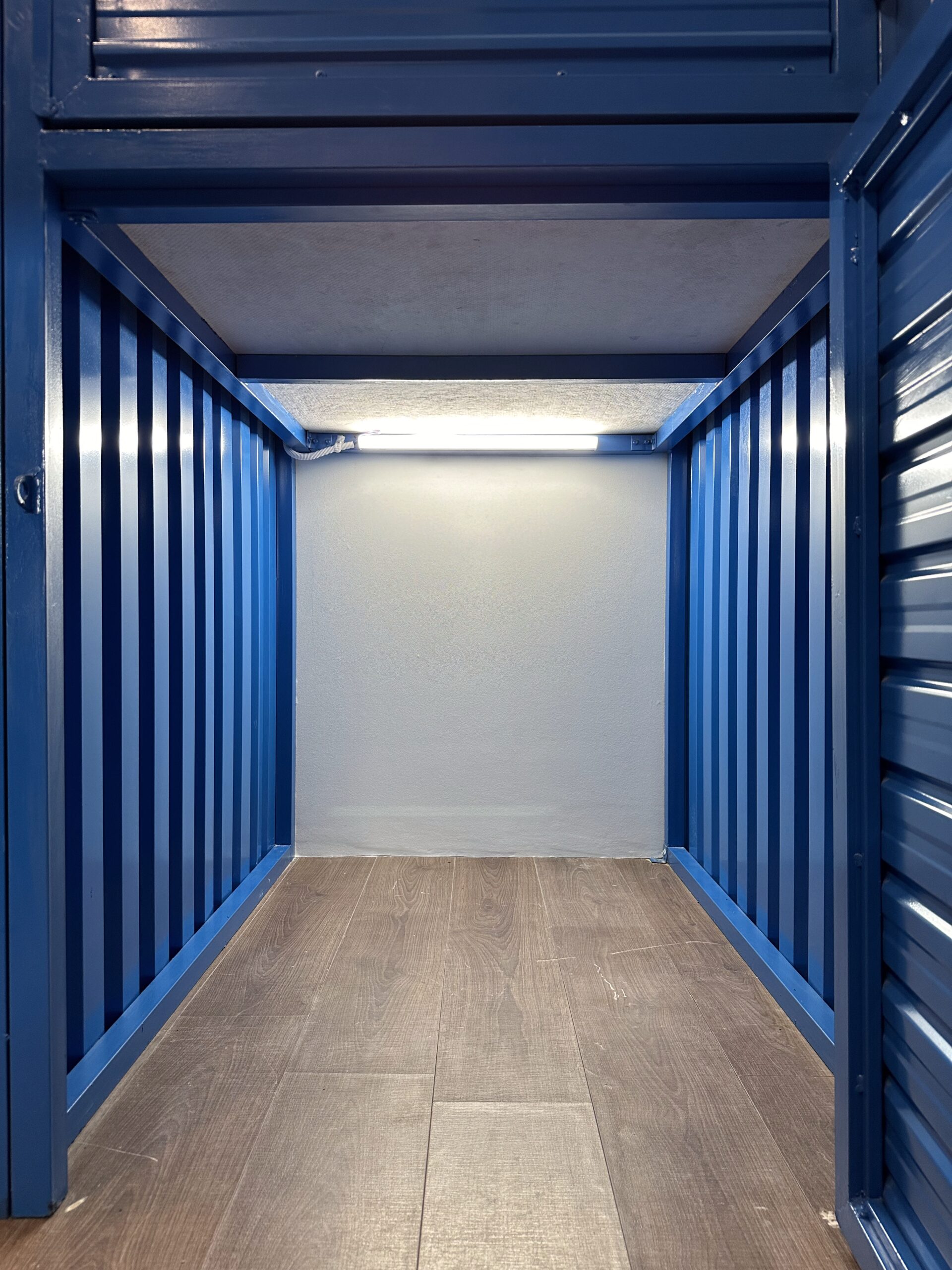


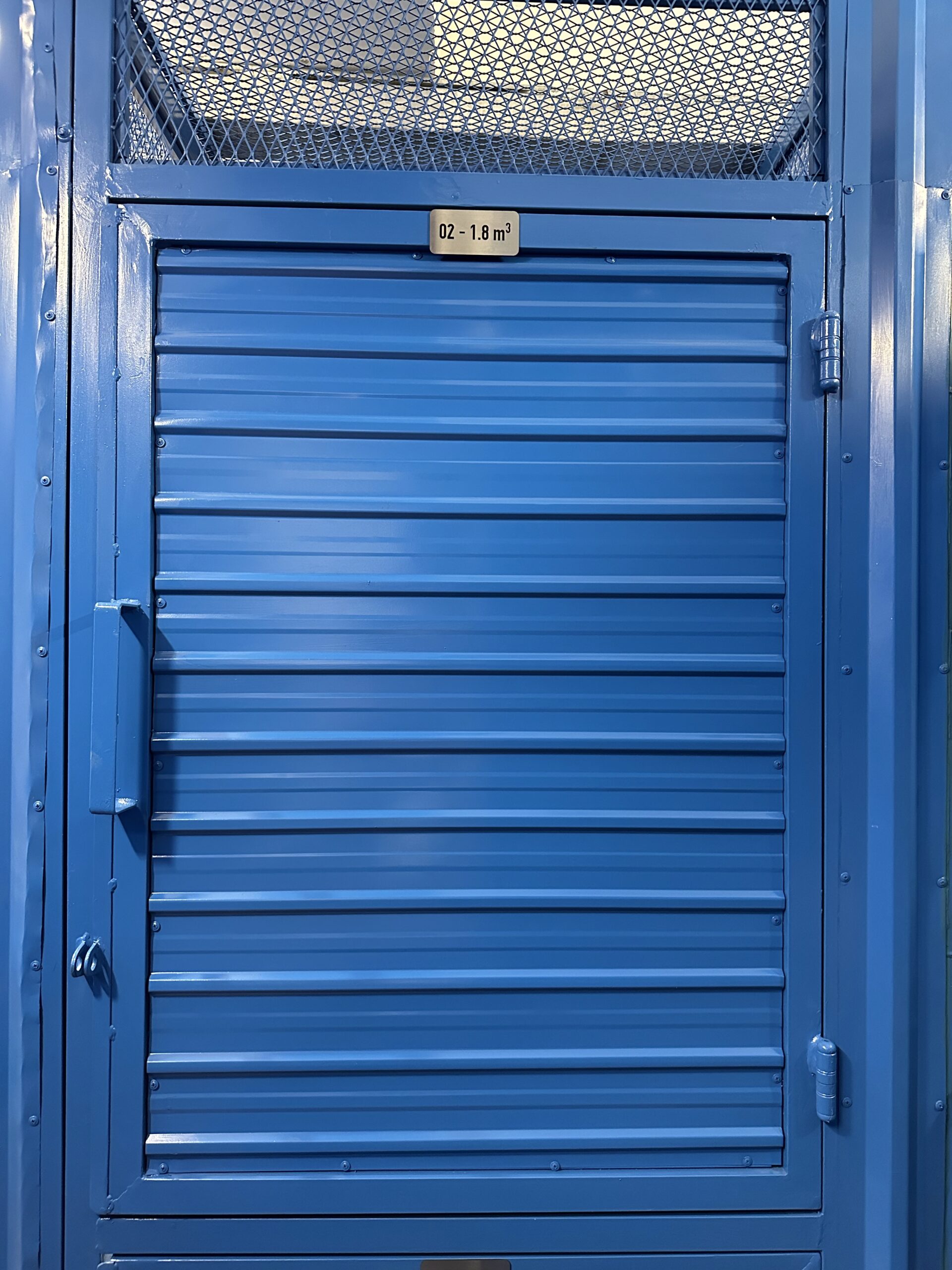


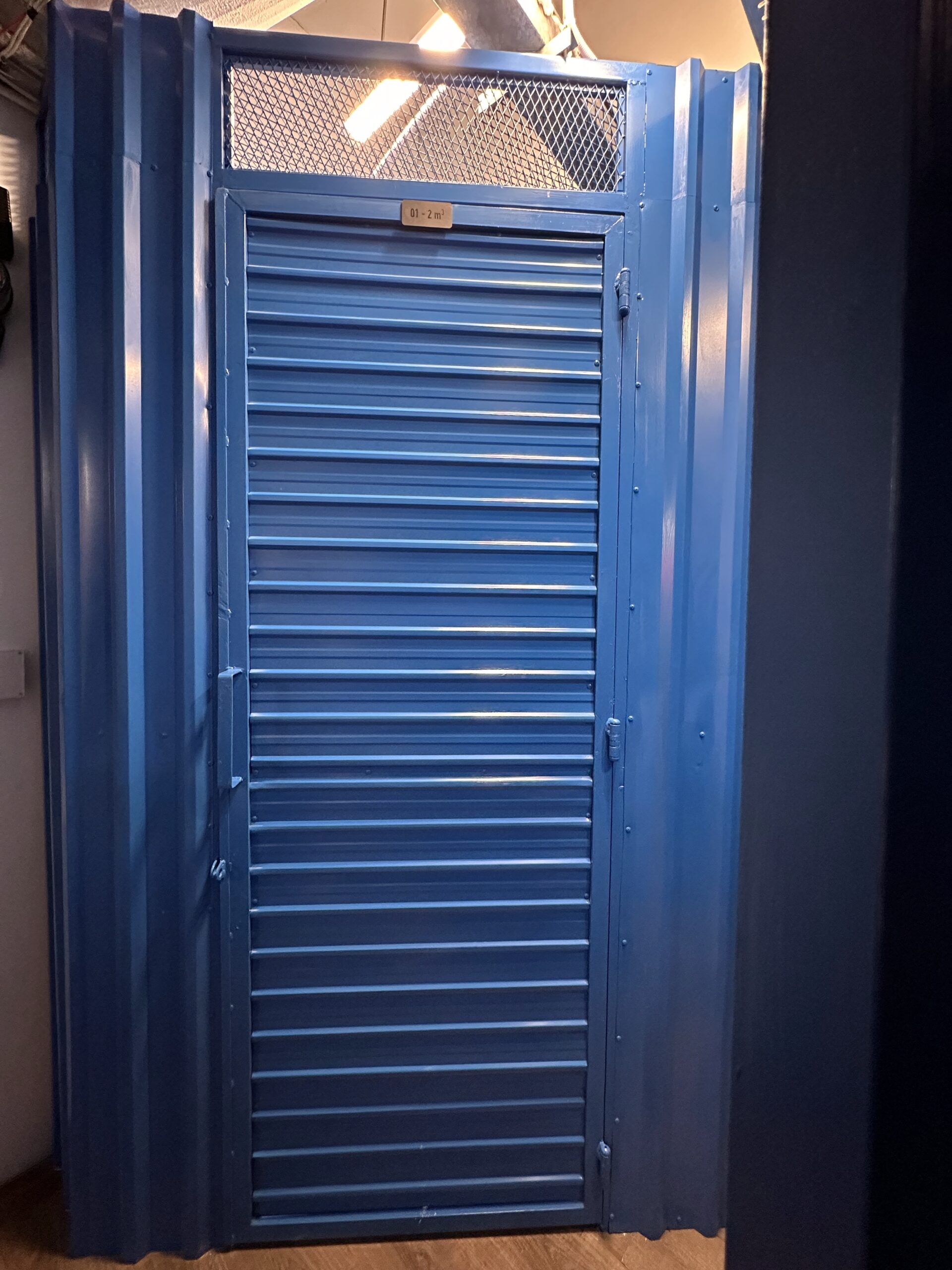


![Furniture Storage Guide: Smart Solutions When Moving or Renovating [2025]](https://aws-staging.mystorage.vn/wp-content/uploads/2024/10/DSC2321-scaled-1.jpg)